How the Body Repairs a Foot Wound

When the skin on the foot is injured, the body begins a complex healing response designed to close the wound and restore healthy tissue. This process happens in several connected stages that gradually rebuild the damaged area. First, the body works to stop bleeding and protect the injury. Blood cells gather at the site and form a clot that seals the wound, preventing harmful bacteria from entering. Next, the body begins building new tissue. Fresh cells grow, small blood vessels develop, and the wound slowly fills in as healthy skin forms. During the final stage, the new tissue strengthens and becomes more organized. The skin becomes firmer and better able to handle normal pressure from standing and walking. Proper wound care, cleanliness, and reduced pressure help support healing. If a foot wound heals slowly or shows signs of infection, it is suggested that you promptly see a podiatrist for a proper diagnosis and appropriate treatment.

Wound care is an important part in dealing with diabetes. If you have diabetes and a foot wound or would like more information about wound care for diabetics, consult with one of our podiatrists from Foot Health Center of Merrimack Valley. Our doctors will assess your condition and provide you with quality foot and ankle treatment.

What Is Wound Care?

Wound care is the practice of taking proper care of a wound. This can range from the smallest to the largest of wounds. While everyone can benefit from proper wound care, it is much more important for diabetics. Diabetics often suffer from poor blood circulation which causes wounds to heal much slower than they would in a non-diabetic. 

What Is the Importance of Wound Care?

While it may not seem apparent with small ulcers on the foot, for diabetics, any size ulcer can become infected. Diabetics often also suffer from neuropathy, or nerve loss. This means they might not even feel when they have an ulcer on their foot. If the wound becomes severely infected, amputation may be necessary. Therefore, it is of the upmost importance to properly care for any and all foot wounds.

How to Care for Wounds

The best way to care for foot wounds is to prevent them. For diabetics, this means daily inspections of the feet for any signs of abnormalities or ulcers. It is also recommended to see a podiatrist several times a year for a foot inspection. If you do have an ulcer, run the wound under water to clear dirt from the wound; then apply antibiotic ointment to the wound and cover with a bandage. Bandages should be changed daily and keeping pressure off the wound is smart. It is advised to see a podiatrist, who can keep an eye on it.

If you have any questions please contact one of our offices located in North Andover, and Tewksbury, MA . We offer the newest diagnostic and treatment technologies for all your foot and ankle needs.

Read more about Wound Care

Causes of Foot and Ankle Pain While Roller Skating

Foot and ankle pain while roller skating often develops from improper equipment or technique. Wearing the wrong size boots can create pressure points, reduce stability, and strain muscles and joints. Incorrect skating technique may also place excessive stress on the feet and ankles, leading to discomfort and fatigue. Properly fitting boots should feel secure and supportive without squeezing the toes or sides of the foot. Laces should be fairly tight to provide stability, and the ankle strap should be adjusted to keep the heel secure and the ankle well-supported. Poor foot mechanics or repeated strain may worsen pain over time. A podiatrist can evaluate foot structure, recommend supportive insoles, and provide guidance to improve comfort and prevent injury. If you have foot or ankle pain from skating, it is suggested that you consult a podiatrist who can offer effective relief and prevention tips.

Foot Pain

Foot pain can be extremely painful and debilitating. If you have a foot pain, consult with one of our podiatrists from Foot Health Center of Merrimack Valley. Our doctors will assess your condition and provide you with quality foot and ankle treatment.

Causes

Foot pain is a very broad condition that could be caused by one or more ailments. The most common include:

  • Bunions
  • Hammertoes
  • Plantar Fasciitis
  • Bone Spurs
  • Corns
  • Tarsal Tunnel Syndrome
  • Ingrown Toenails
  • Arthritis (such as Gout, Rheumatoid, and Osteoarthritis)
  • Flat Feet
  • Injury (from stress fractures, broken toe, foot, ankle, Achilles tendon ruptures, and sprains)
  • And more

Diagnosis

To figure out the cause of foot pain, podiatrists utilize several different methods. This can range from simple visual inspections and sensation tests to X-rays and MRI scans. Prior medical history, family medical history, and any recent physical traumatic events will all be taken into consideration for a proper diagnosis.

Treatment

Treatment depends upon the cause of the foot pain. Whether it is resting, staying off the foot, or having surgery; podiatrists have a number of treatment options available for foot pain.

If you have any questions, please feel free to contact one of our offices located in North Andover, and Tewksbury, MA . We offer the newest diagnostic and treatment technologies for all your foot care needs.

Read more about Foot Pain

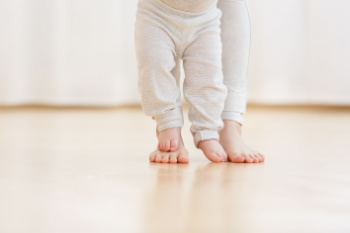
Why Your Child May Be Limping

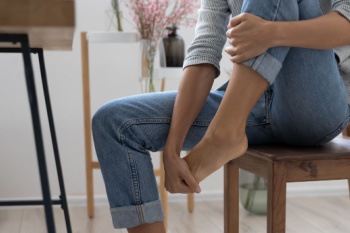
A child may begin limping for many reasons, and it is important to identify the underlying cause. Common issues include a sprain from play, a splinter lodged in the foot, or painful blisters caused by friction from shoes. In some cases, a severe viral infection can lead to joint inflammation and discomfort that makes walking difficult. Risk factors include high activity levels, wearing poorly fitting footwear, minor unnoticed injuries, and recent illness. Limping may be accompanied by swelling, redness, tenderness, or reluctance to bear weight. A podiatrist can perform a thorough evaluation, diagnose the problem, and provide appropriate treatment to relieve pain and restore movement. If your child is limping, it is suggested that you consult a podiatrist who can determine what the cause and offer effective treatment solutions.

The health of a child’s feet is vital to their overall well-being. If you have any questions regarding foot health, contact one of our podiatrists of Foot Health Center of Merrimack Valley. Our doctors can provide the care you need to keep you pain-free and on your feet.

Tips for Keeping Children's Feet Healthy

  • Make sure their shoes fit properly
  • Look for any signs of in-toeing or out-toeing
  • Check to see if they have Clubfoot (condition that affects your child’s foot and ankle, twisting the heel and toes inward) which is one of the most common nonmajor birth defects.
  • Lightly cover your baby’s feet (Tight covers may keep your baby from moving their feet freely, and could prevent normal development)
  • Allow your toddler to go shoeless (Shoes can be restricting for a young child’s foot)
  • Cut toenails straight across to avoid ingrown toenails
  • Keep your child’s foot clean and dry
  • Cover cuts and scrapes. Wash any scratches with soap and water and cover them with a bandage until they’ve healed.

If you have any questions, please feel free to contact one of our offices located in North Andover, and Tewksbury, MA . We offer the newest diagnostic and treatment technologies for all your foot care needs.

Read more about How to Care for Your Child's Feet

Wounds That Don't Heal Need to Be Checked

Your feet are covered most of the day. If you're diabetic, periodic screening is important for good health. Numbness is often a sign of diabetic foot and can mask a sore or wound.

Symptoms of Achilles Tendon Pain

Achilles tendon pain refers to inflammation or injury of the tendon that connects the calf muscles to the heel bone. It is located at the back of the lower leg just above the heel, and plays a vital role in walking, running, and jumping. Causes include overuse, sudden increases in activity, exercising on uneven surfaces, obesity, and older age. Symptoms may include stiffness, swelling, tenderness, and difficulty pushing off the foot. In more serious cases, a partial tear or complete rupture can occur, leading to sharp pain and weakness. A podiatrist can diagnose the condition, recommend imaging if needed, and create a personalized treatment plan. If you have sustained an Achilles tenon injury, it is suggested that you consult a podiatrist who can offer effective relief and treatment solutions.

Achilles tendon injuries need immediate attention to avoid future complications. If you have any concerns, contact one of our podiatrists of Foot Health Center of Merrimack Valley. Our doctors can provide the care you need to keep you pain-free and on your feet.

What Is the Achilles Tendon?

The Achilles tendon is a tendon that connects the lower leg muscles and calf to the heel of the foot. It is the strongest tendon in the human body and is essential for making movement possible. Because this tendon is such an integral part of the body, any injuries to it can create immense difficulties and should immediately be presented to a doctor.

What Are the Symptoms of an Achilles Tendon Injury?

There are various types of injuries that can affect the Achilles tendon. The two most common injuries are Achilles tendinitis and ruptures of the tendon.

Achilles Tendinitis Symptoms

  • Inflammation
  • Dull to severe pain
  • Increased blood flow to the tendon
  • Thickening of the tendon

Rupture Symptoms

  • Extreme pain and swelling in the foot
  • Total immobility

Treatment and Prevention

Achilles tendon injuries are diagnosed by a thorough physical evaluation, which can include an MRI. Treatment involves rest, physical therapy, and in some cases, surgery. However, various preventative measures can be taken to avoid these injuries, such as:

  • Thorough stretching of the tendon before and after exercise
  • Strengthening exercises like calf raises, squats, leg curls, leg extensions, leg raises, lunges, and leg presses

If you have any questions please feel free to contact one of our offices located in North Andover, and Tewksbury, MA . We offer the newest diagnostic tools and technology to treat your foot and ankle needs.

Read more about What are Achilles Tendon Injuries

Why Foot Blisters Form and How to Treat Them

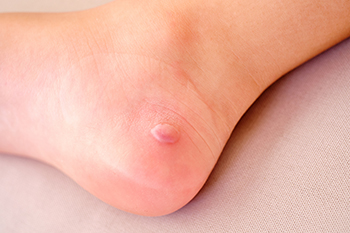
Foot blisters develop when repeated friction, heat, or moisture causes the upper layers of skin to separate and fill with fluid. They commonly form during walking, running, or exercise, especially when shoes rub against the skin. New or poorly fitting footwear, thin socks, and seams inside shoes often increase friction. Excess moisture from sweating softens the skin, making it more vulnerable to blister formation. Foot structure can also play a role, as bunions, hammertoes, or prominent bones may create pressure points. Blisters are frequently seen during long periods of activity or sudden increases in exercise. Treatment focuses on protecting the area and reducing further irritation. Padding, blister covers, breathable socks, and properly fitted shoes help promote healing. Intact blisters should generally be left unbroken to reduce infection risk, especially without being under the care of a podiatrist. If blisters are recurrent, painful, or slow to heal, it is suggested that an evaluation by a podiatrist can help identify underlying causes, and guide treatment.

Blisters are prone to making everyday activities extremely uncomfortable. If your feet are hurting, contact one of our podiatrists of Foot Health Center of Merrimack Valley. Our doctors can provide the care you need to keep you pain-free and on your feet.

Foot Blisters

Foot blisters develop as a result of constantly wearing tight or ill-fitting footwear. This happens due to the constant rubbing from the shoe, which can often lead to pain.

What Are Foot Blisters?

A foot blister is a small fluid-filled pocket that forms on the upper-most layer of the skin. Blisters are filled with clear fluid and can lead to blood drainage or pus if the area becomes infected.

How Do Blisters Form?

Blisters on the feet are often the result of constant friction of skin and material, usually by shoe rubbing. Walking in sandals, boots, or shoes that don’t fit properly for long periods of time can result in a blister. Having consistent foot moisture and humidity can easily lead to blister formation.

Prevention & Treatment

It is important to properly care for the affected area in order to prevent infection and ease the pain. Do not lance the blister and use a Band-Aid to provide pain relief. Also, be sure to keep your feet dry and wear proper fitting shoes. If you see blood or pus in a blister, seek assistance from a podiatrist.

If you have any questions, please feel free to contact one of our offices located in North Andover, and Tewksbury, MA . We offer the newest diagnostic and treatment technologies for all your foot care needs.

Read more about Blisters

When Every Step Hurts

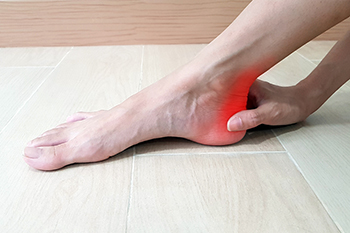
Heel pain is a common problem that can result from conditions, such as plantar fasciitis or Achilles tendonitis. Plantar fasciitis often causes sharp pain at the bottom of the heel, especially with the first steps in the morning or after prolonged sitting. Achilles tendonitis typically produces pain at the back of the heel and along the tendon, often worsening with activity or when climbing stairs. These conditions can develop from repetitive stress, improper footwear, or sudden increases in physical activity, and may make walking, running, or standing uncomfortable. The heel may appear slightly swollen or red, while the affected area feels tender and stiff. A podiatrist can help by performing a thorough examination, using imaging if needed, and recommending targeted exercises, orthotics, or other treatments to reduce inflammation and improve mobility. If you have heel pain, it is suggested that you make an appointment with a podiatrist.

Many people suffer from bouts of heel pain. For more information, contact one of our podiatrists of Foot Health Center of Merrimack Valley. Our doctors can provide the care you need to keep you pain-free and on your feet.

Causes of Heel Pain

Heel pain is often associated with plantar fasciitis. The plantar fascia is a band of tissues that extends along the bottom of the foot. A rip or tear in this ligament can cause inflammation of the tissue.

Achilles tendonitis is another cause of heel pain. Inflammation of the Achilles tendon will cause pain from fractures and muscle tearing. Lack of flexibility is also another symptom.

Heel spurs are another cause of pain. When the tissues of the plantar fascia undergo a great deal of stress, it can lead to ligament separation from the heel bone, causing heel spurs.

Why Might Heel Pain Occur?

  • Wearing ill-fitting shoes                
  • Wearing non-supportive shoes
  • Weight change           
  • Excessive running

Treatments

Heel pain should be treated as soon as possible for immediate results. Keeping your feet in a stress-free environment will help. If you suffer from Achilles tendonitis or plantar fasciitis, applying ice will reduce the swelling. Stretching before an exercise like running will help the muscles. Using all these tips will help make heel pain a condition of the past.

If you have any questions, please feel free to contact one of our offices located in North Andover, and Tewksbury, MA . We offer the newest diagnostic and treatment technologies for all your foot care needs.

Read more about Heel Pain

Dealing With Persistent Toe Pain

Toe pain around the metatarsophalangeal, or MTP, joint is a frequent reason patients seek podiatric care, as these joints play a major role in balance and push off during walking. Such toe pain may develop from overuse, injury, arthritis, or pressure from footwear. Common symptoms include aching or sharp pain, stiffness, and swelling, sometimes accompanied by redness, warmth, and limited motion. The joint may look enlarged or inflamed, and it can feel sore or burning, especially when standing, walking, or bending the toe. Over time, pain may interfere with daily activities and limit comfortable movement. A podiatrist can help by starting with a detailed medical history and physical examination, supported by imaging when needed, to identify the exact cause of the joint pain. Treatment often begins with footwear guidance, padding, or custom orthotics, and may progress to medications, injections, or corrective procedures when appropriate. If you have MTP joint pain, it is suggested that you make an appointment with a podiatrist.

Toe pain can disrupt your daily activities. If you have any concerns, contact one of our podiatrists of Foot Health Center of Merrimack Valley. Our doctors can provide the care you need to keep you pain-free and on your feet.

What Causes Toe Pain?

Most severe toe pain is caused due to a sports injury, trauma from dropping something heavy on the toe, or bumping into something rigid. Other problems can develop over time for various reasons.

Toe pain can be caused by one or more ailments. The most common include:

  • Trauma
  • Sports injury
  • Wearing shoes that are too tight
  • Arthritis
  • Gout
  • Corns and calluses
  • Hammertoe
  • Bunions
  • Blisters
  • Ingrown toenails
  • Sprains
  • Fractures (broken bones)
  • Dislocations

When to See a Podiatrist

  • Severe pain
  • Persistent pain that lasts more than a week
  • Signs of infection
  • Continued swelling
  • Pain that prevents walking

Diagnosis

In many cases the cause of toe pain is obvious, but in others, a podiatrist may want to use more advanced methods to determine the problem. These can range from simple visual inspections and sensation tests to X-rays and MRI scans. Prior medical history, family medical history, and any recent physical traumatic events will all be taken into consideration for a proper diagnosis.

Treatment

Treatments for toe pain and injuries vary and may include shoe inserts, padding, taping, medicines, injections, and in some cases, surgery. If you believe that you have broken a toe, please see a podiatrist as soon as possible.

If you have any questions please contact one of our offices located in North Andover, and Tewksbury, MA . We offer the newest diagnostic and treatment technologies for all your foot and ankle needs.

Read more about Toe Pain

It's Time for Beautiful Feet

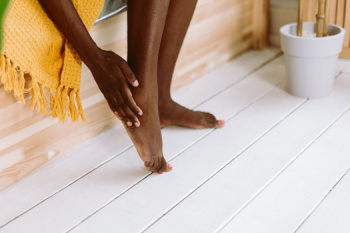
You don't need an excuse to have beautiful nails. Step outside without worrying about the appearance of your feet.

Understanding Heel Pain in Growing Kids

Sever’s disease is a common source of heel discomfort in active children and adolescents, especially during growth spurts. It develops when the growth plate at the back of the heel becomes irritated from repeated stress. This often occurs in kids who participate in running or jumping sports, as tight calf muscles and rapid bone growth place extra tension on the heel. It typically affects children between the ages of eight and 14. Symptoms include heel pain during or after activity, tenderness when the heel is squeezed, limping, or avoiding sports they once enjoyed. Pain often improves with rest but returns when activity resumes. Treatment focuses on reducing strain while growth continues. Rest, activity modification, stretching, supportive shoes, heel cushions, and orthotics may be recommended. The condition resolves with time as growth plates mature. If your child has ongoing heel pain, it is suggested that they be evaluated by a podiatrist to confirm the diagnosis and guide care.

Sever's disease often occurs in children and teens. If your child is experiencing foot or ankle pain, see one of our podiatrists from Foot Health Center of Merrimack Valley. Our doctors can treat your child’s foot and ankle needs.

Sever’s Disease

Sever’s disease is also known as calcaneal apophysitis, which is a medical condition that causes heel pain I none or both feet. The disease is known to affect children between the ages of 8 and 14.

Sever’s disease occurs when part of the child’s heel known as the growth plate (calcaneal epiphysis) is attached to the Achilles tendon. This area can suffer injury when the muscles and tendons of the growing foot do not keep pace with bone growth. Therefore, the constant pain which one experiences at the back of the heel will make the child unable to put any weight on the heel. The child is then forced to walk on their toes.

Symptoms

Acute pain – Pain associated with Sever’s disease is usually felt in the heel when the child engages in physical activity such as walking, jumping and or running.

Highly active – Children who are very active are among the most susceptible in experiencing Sever’s disease, because of the stress and tension placed on their feet.

If you have any questions, please feel free to contact one of our offices located in North Andover, and Tewksbury, MA . We offer the newest diagnostic and treatment technologies for all your foot care needs.

Read more about Sever's Disease
scroll to top