Get 3D Custom Orthotics

3D scanning can give your orthotics the precise fit you need. Give your feet the best in comfort!

Outer Foot Pain Can Be an Avulsion Fracture

Pain on the outer side of the foot can sometimes signal an avulsion fracture, also called a pseudo Jones fracture. This type of injury affects the base of the fifth metatarsal, which is the long bone below the pinky toe. The fracture happens when a tendon pulls a small piece of bone away from its attachment. The injury can occur after a sudden twist, roll, or direct impact to the ankle or foot. People typically notice sharp pain, swelling, and tenderness near the outer edge of the foot, making walking or bearing weight difficult. Because this fracture can be mistaken for a sprain or a more serious type of fracture, an accurate diagnosis is important. A podiatrist can perform an exam, order X-rays, and recommend the best course of treatment, including immobilization or, in some cases, surgery. If you are experiencing outer foot pain, it is suggested that you make an appointment with a podiatrist for a diagnosis and treatment.

A broken foot requires immediate medical attention and treatment. If you need your feet checked, contact one of our podiatrists from Foot Health Center of Merrimack Valley. Our doctors can provide the care you need to keep you pain-free and on your feet.

Broken Foot Causes, Symptoms, and Treatment

A broken foot is caused by one of the bones in the foot typically breaking when bended, crushed, or stretched beyond its natural capabilities. Usually the location of the fracture indicates how the break occurred, whether it was through an object, fall, or any other type of injury. 

Common Symptoms of Broken Feet:

  • Bruising
  • Pain
  • Redness
  • Swelling
  • Blue in color
  • Numbness
  • Cold
  • Misshapen
  • Cuts
  • Deformities

Those that suspect they have a broken foot shoot seek urgent medical attention where a medical professional could diagnose the severity.

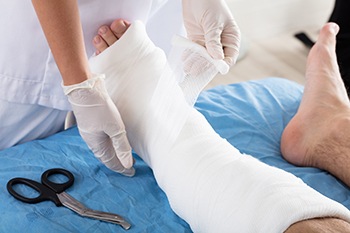
Treatment for broken bones varies depending on the cause, severity and location. Some will require the use of splints, casts or crutches while others could even involve surgery to repair the broken bones. Personal care includes the use of ice and keeping the foot stabilized and elevated.

If you have any questions, please feel free to contact one of our offices located in North Andover, and Tewksbury, MA . We offer the newest diagnostic and treatment technologies for all your foot care needs.
Read more about Causes, Symptoms, and Treatment for a Broken Foot

Why Does My Toe Hurt?

Toe pain can result from a variety of conditions that affect daily comfort and mobility. Gout is a type of arthritis that causes sudden, severe pain, swelling, and redness in the toes. Osteoarthritis and rheumatoid arthritis can lead to joint inflammation, stiffness, and chronic discomfort. Diabetes can cause nerve damage, numbness, or infections that increase the risk of toe pain. Trauma such as a broken toe causes immediate pain, swelling, and difficulty walking. Corns and blisters form from friction or pressure, resulting in localized pain and irritation. A podiatrist can evaluate the underlying cause of toe pain, provide effective treatment options, recommend protective footwear or orthotics, and develop a preventive care plan. If you have toe pain, it is suggested that you consult a podiatrist who can offer effective treatment solutions.  

Toe pain can disrupt your daily activities. If you have any concerns, contact one of our podiatrists of Foot Health Center of Merrimack Valley. Our doctors can provide the care you need to keep you pain-free and on your feet.

What Causes Toe Pain?

Most severe toe pain is caused due to a sports injury, trauma from dropping something heavy on the toe, or bumping into something rigid. Other problems can develop over time for various reasons.

Toe pain can be caused by one or more ailments. The most common include:

  • Trauma
  • Sports injury
  • Wearing shoes that are too tight
  • Arthritis
  • Gout
  • Corns and calluses
  • Hammertoe
  • Bunions
  • Blisters
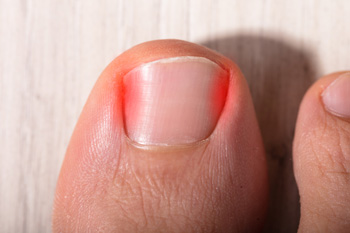
  • Ingrown toenails
  • Sprains
  • Fractures (broken bones)
  • Dislocations

When to See a Podiatrist

  • Severe pain
  • Persistent pain that lasts more than a week
  • Signs of infection
  • Continued swelling
  • Pain that prevents walking

Diagnosis

In many cases the cause of toe pain is obvious, but in others, a podiatrist may want to use more advanced methods to determine the problem. These can range from simple visual inspections and sensation tests to X-rays and MRI scans. Prior medical history, family medical history, and any recent physical traumatic events will all be taken into consideration for a proper diagnosis.

Treatment

Treatments for toe pain and injuries vary and may include shoe inserts, padding, taping, medicines, injections, and in some cases, surgery. If you believe that you have broken a toe, please see a podiatrist as soon as possible.

If you have any questions please contact one of our offices located in North Andover, and Tewksbury, MA . We offer the newest diagnostic and treatment technologies for all your foot and ankle needs.

Read more about Toe Pain

The Anatomy of the Foot

The human foot is a complex structure made up of bones, joints, muscles, and ligaments that work together to support movement and balance. It contains the tarsal bones in the rear and midfoot, the metatarsals in the arch and forefoot, and the phalanges that form the toes. These bones connect through joints that allow smooth motion while walking or running, as the alignment and function of these structures are essential for stability and shock absorption. When any part of the foot becomes strained or injured, pain and imbalance can occur. A podiatrist can evaluate the biomechanics of the foot, identify abnormalities, and provide treatments or custom orthotics for improved comfort. If you have persistent foot pain, it is suggested that you schedule a visit with a podiatrist who can treat various foot conditions.

If you have any concerns about your feet, contact one of our podiatrists from Foot Health Center of Merrimack Valley. Our doctors can provide the care you need to keep you pain-free and on your feet.

Biomechanics in Podiatry

Podiatric biomechanics is a particular sector of specialty podiatry with licensed practitioners who are trained to diagnose and treat conditions affecting the foot, ankle and lower leg. Biomechanics deals with the forces that act against the body, causing an interference with the biological structures. It focuses on the movement of the ankle, the foot and the forces that interact with them.

A History of Biomechanics

  • Biomechanics dates back to the BC era in Egypt where evidence of professional foot care has been recorded.
  • In 1974, biomechanics gained a higher profile from the studies of Merton Root, who claimed that by changing or controlling the forces between the ankle and the foot, corrections or conditions could be implemented to gain strength and coordination in the area.

Modern technological improvements are based on past theories and therapeutic processes that provide a better understanding of podiatric concepts for biomechanics. Computers can provide accurate information about the forces and patterns of the feet and lower legs.

Understanding biomechanics of the feet can help improve and eliminate pain, stopping further stress to the foot.

If you have any questions please feel free to contact one of our offices located in North Andover, and Tewksbury, MA . We offer the newest diagnostic and treatment technologies for all your foot and ankle needs.

Read more about Biomechanics in Podiatry

Preventing Falls in Older Adults and Protecting Independence

Falls in older adults can have serious physical and emotional consequences. Many people endure foot injuries, which may cause a loss of independence. Beyond these injuries, there may be a fear of falling again or forced relocation from the home, which can cause stress for both the individual and their family. Prevention is essential, and includes exercising regularly to maintain strength and balance, reviewing medications with a doctor, scheduling routine eye exams, and removing clutter or tripping hazards from the home. A podiatrist can assess foot health, recommend supportive footwear, prescribe custom orthotics, and address balance issues that increase fall risk. If you have hurt your foot or ankle from falling, it is suggested that you consult a podiatrist who can treat these types of injuries and guide you on additional fall prevention tips.

Preventing falls among the elderly is very important. If you are older and have fallen or fear that you are prone to falling, consult with one of our podiatrists from Foot Health Center of Merrimack Valley. Our doctors will assess your condition and provide you with quality advice and care.

Every 11 seconds, an elderly American is being treated in an emergency room for a fall related injury. Falls are the leading cause of head and hip injuries for those 65 and older. Due to decreases in strength, balance, senses, and lack of awareness, elderly persons are very susceptible to falling. Thankfully, there are a number of things older persons can do to prevent falls.

How to Prevent Falls

Some effective methods that older persons can do to prevent falls include:

  • Enrolling in strength and balance exercise program to increase balance and strength
  • Periodically having your sight and hearing checked
  • Discuss any medications you have with a doctor to see if it increases the risk of falling
  • Clearing the house of falling hazards and installing devices like grab bars and railings
  • Utilizing a walker or cane
  • Wearing shoes that provide good support and cushioning
  • Talking to family members about falling and increasing awareness

Falling can be a traumatic and embarrassing experience for elderly persons; this can make them less willing to leave the house, and less willing to talk to someone about their fears of falling. Doing such things, however, will increase the likelihood of tripping or losing one’s balance. Knowing the causes of falling and how to prevent them is the best way to mitigate the risk of serious injury.  

If you have any questions, please feel free to contact one of our offices located in North Andover, and Tewksbury, MA . We offer the newest diagnostic and treatment technologies for all your foot care needs.

Read more about Falls Prevention

Reminder: When Was the Last Time...?

Custom orthotics, or shoe inserts, should be periodically replaced. Orthotics must fit properly to give you the best results. Protect your feet and ankles!

Gout and Its Impact on the Feet

Gout is a painful type of arthritis caused by the buildup of monosodium urate crystals in the joints and tissues. These crystals form when uric acid levels in the blood become too high. Contributing factors include diet, alcohol intake, obesity, and chronic kidney disease, which reduce the body’s ability to eliminate uric acid. Symptoms include sudden joint pain, redness, swelling, and warmth, most often affecting the big toe due to its lower temperature and reduced circulation. A podiatrist can diagnose gout through an examination and testing, then provide treatments to reduce pain, prevent future attacks, and protect joint health. If you have pain in your big toe, it is strongly suggested that you are under the care of a podiatrist who can offer effective relief and treatment solutions.

Gout is a foot condition that requires certain treatment and care. If you are seeking treatment, contact one of our podiatrists from Foot Health Center of Merrimack Valley. Our doctors will treat your foot and ankle needs.

What Is Gout?

Gout is a type of arthritis caused by a buildup of uric acid in the bloodstream. It often develops in the foot, especially the big toe area, although it can manifest in other parts of the body as well. Gout can make walking and standing very painful and is especially common in diabetics and the obese.

People typically get gout because of a poor diet. Genetic predisposition is also a factor. The children of parents who have had gout frequently have a chance of developing it themselves.

Gout can easily be identified by redness and inflammation of the big toe and the surrounding areas of the foot. Other symptoms include extreme fatigue, joint pain, and running high fevers. Sometimes corticosteroid drugs can be prescribed to treat gout, but the best way to combat this disease is to get more exercise and eat a better diet.

If you have any questions, please feel free to contact one of our offices located in North Andover, and Tewksbury, MA . We offer the newest diagnostic and treatment technologies for all your foot care needs.

Read more about Everything You Need to Know About Gout

What to Do if You Step On a Nail

Stepping on a nail can lead to a serious puncture wound, especially if the nail is rusty or contaminated. These types of injuries can drive bacteria deep into the foot, increasing the risk of infection, abscess, or even bone involvement. Symptoms include immediate sharp pain, bleeding, swelling, and difficulty walking. The area may feel tender and become increasingly painful, over time. If the wound becomes infected, you may also notice pus, fever, or red streaks spreading from the site. A podiatrist can assess the severity of the wound, clean and dress it properly, and determine if antibiotics or a tetanus shot are needed. In some cases, imaging may be used to rule out foreign material or bone injury. Prompt treatment reduces the risk of complications, especially for individuals with diabetes or poor circulation. It is suggested that you schedule an appointment with a podiatrist immediately after stepping on a nail to ensure proper wound care and healing.

Wound care is an important part in dealing with diabetes. If you have diabetes and a foot wound or would like more information about wound care for diabetics, consult with one of our podiatrists from Foot Health Center of Merrimack Valley. Our doctors will assess your condition and provide you with quality foot and ankle treatment.

What Is Wound Care?

Wound care is the practice of taking proper care of a wound. This can range from the smallest to the largest of wounds. While everyone can benefit from proper wound care, it is much more important for diabetics. Diabetics often suffer from poor blood circulation which causes wounds to heal much slower than they would in a non-diabetic. 

What Is the Importance of Wound Care?

While it may not seem apparent with small ulcers on the foot, for diabetics, any size ulcer can become infected. Diabetics often also suffer from neuropathy, or nerve loss. This means they might not even feel when they have an ulcer on their foot. If the wound becomes severely infected, amputation may be necessary. Therefore, it is of the upmost importance to properly care for any and all foot wounds.

How to Care for Wounds

The best way to care for foot wounds is to prevent them. For diabetics, this means daily inspections of the feet for any signs of abnormalities or ulcers. It is also recommended to see a podiatrist several times a year for a foot inspection. If you do have an ulcer, run the wound under water to clear dirt from the wound; then apply antibiotic ointment to the wound and cover with a bandage. Bandages should be changed daily and keeping pressure off the wound is smart. It is advised to see a podiatrist, who can keep an eye on it.

If you have any questions please contact one of our offices located in North Andover, and Tewksbury, MA . We offer the newest diagnostic and treatment technologies for all your foot and ankle needs.

Read more about Wound Care

Foot Pain Caused by Plantar Fasciitis

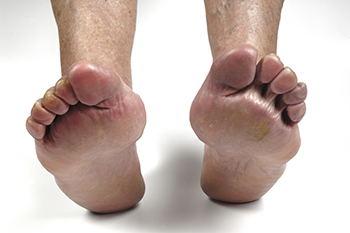
Plantar fasciitis often develops from repeated stress on the thick band of tissue that runs along the bottom of the foot, called the plantar fascia. This ligament connects the heel bone to the toes, helps support the arch and absorbs shock with each step. When the plantar fascia becomes strained, small tears can form. This leads to pain that is usually felt near the heel and often gets worse after long periods of rest or standing. Risk factors of plantar fasciitis include prolonged standing, wearing shoes that lack adequate support, such as flip-flops, having flat feet or very high arches, or gaining body weight. A podiatrist can evaluate the foot, determine the source of pain, and recommend effective treatment, which may include surgery in persistent cases. If you are experiencing foot pain or other symptoms of plantar fasciitis, it is suggested that you make an appointment with a podiatrist for an exam and treatment.

Plantar fasciitis can be very painful and inconvenient. If you are experiencing heel pain or symptoms of plantar fasciitis, contact one of our podiatrists  from Foot Health Center of Merrimack Valley. Our doctors can provide the care you need to keep you pain-free and on your feet.

What Is Plantar Fasciitis?

Plantar fasciitis is the inflammation of the thick band of tissue that runs along the bottom of your foot, known as the plantar fascia, and causes mild to severe heel pain.

What Causes Plantar Fasciitis?

  • Excessive running
  • Non-supportive shoes
  • Overpronation
  • Repeated stretching and tearing of the plantar fascia

How Can It Be Treated?

  • Conservative measures – anti-inflammatories, ice packs, stretching exercises, physical therapy, orthotic devices
  • Shockwave therapy – sound waves are sent to the affected area to facilitate healing and are usually used for chronic cases of plantar fasciitis
  • Surgery – usually only used as a last resort when all else fails. The plantar fascia can be surgically detached from the heel

While very treatable, plantar fasciitis is definitely not something that should be ignored. Especially in severe cases, speaking to your doctor right away is highly recommended to avoid complications and severe heel pain. Your podiatrist can work with you to provide the appropriate treatment options tailored to your condition.

If you have any questions, please feel free to contact one of our offices located in North Andover, and Tewksbury, MA . We offer the newest diagnostic and treatment technologies for all your foot care needs.
Read more about Plantar Fasciitis

Understanding Bunions and How to Find Relief

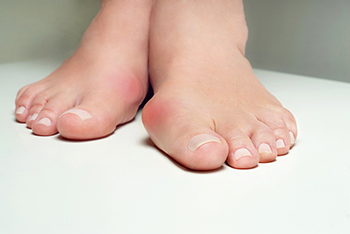
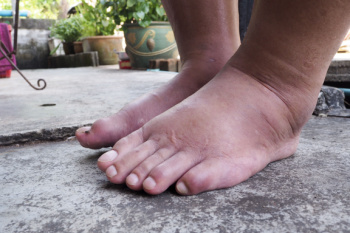
A bunion is a bony bump that develops at the base of the big toe when the joint shifts out of alignment. Symptoms may include swelling, redness, pain, and difficulty finding comfortable shoes. Risk factors include genetics, flat feet, and wearing narrow or high heeled shoes that put excessive pressure on the toes. Additionally, causes often involve a combination of inherited foot structure and repetitive stress on the joint. A podiatrist can provide solutions including custom orthotics, footwear guidance, and in some cases, surgery to relieve pain and restore function. If you are experiencing discomfort from a bunion, it is suggested that you schedule an appointment with a podiatrist who can offer appropriate treatment solutions for this condition.

If you are suffering from bunions, contact one of our podiatrists of Foot Health Center of Merrimack Valley. Our doctors can provide the care you need to keep you pain-free and on your feet.

What Is a Bunion?

A bunion is formed of swollen tissue or an enlargement of boney growth, usually located at the base joint of the toe that connects to the foot. The swelling occurs due to the bones in the big toe shifting inward, which impacts the other toes of the foot. This causes the area around the base of the big toe to become inflamed and painful.

Why Do Bunions Form?

Genetics – Susceptibility to bunions are often hereditary

Stress on the feet – Poorly fitted and uncomfortable footwear that places stress on feet, such as heels, can worsen existing bunions

How Are Bunions Diagnosed?

Doctors often perform two tests – blood tests and x-rays – when trying to diagnose bunions, especially in the early stages of development. Blood tests help determine if the foot pain is being caused by something else, such as arthritis, while x-rays provide a clear picture of your bone structure to your doctor.

How Are Bunions Treated?

  • Refrain from wearing heels or similar shoes that cause discomfort
  • Select wider shoes that can provide more comfort and reduce pain
  • Anti-inflammatory and pain management drugs
  • Orthotics or foot inserts
  • Surgery

If you have any questions, please feel free to contact one of our offices located in North Andover, and Tewksbury, MA . We offer the newest diagnostic and treatment technologies for all your foot care needs.
Read more about What Are Bunions?
scroll to top