Preventing Falls in Older Adults and Protecting Independence

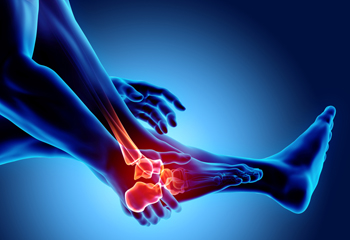
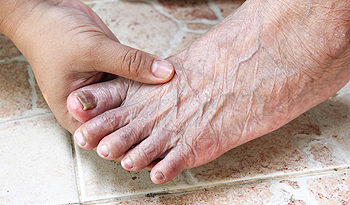
Falls in older adults can have serious physical and emotional consequences. Many people endure foot injuries, which may cause a loss of independence. Beyond these injuries, there may be a fear of falling again or forced relocation from the home, which can cause stress for both the individual and their family. Prevention is essential, and includes exercising regularly to maintain strength and balance, reviewing medications with a doctor, scheduling routine eye exams, and removing clutter or tripping hazards from the home. A podiatrist can assess foot health, recommend supportive footwear, prescribe custom orthotics, and address balance issues that increase fall risk. If you have hurt your foot or ankle from falling, it is suggested that you consult a podiatrist who can treat these types of injuries and guide you on additional fall prevention tips.

Preventing falls among the elderly is very important. If you are older and have fallen or fear that you are prone to falling, consult with one of our podiatrists from Foot Health Center of Merrimack Valley. Our doctors will assess your condition and provide you with quality advice and care.

Every 11 seconds, an elderly American is being treated in an emergency room for a fall related injury. Falls are the leading cause of head and hip injuries for those 65 and older. Due to decreases in strength, balance, senses, and lack of awareness, elderly persons are very susceptible to falling. Thankfully, there are a number of things older persons can do to prevent falls.

How to Prevent Falls

Some effective methods that older persons can do to prevent falls include:

  • Enrolling in strength and balance exercise program to increase balance and strength
  • Periodically having your sight and hearing checked
  • Discuss any medications you have with a doctor to see if it increases the risk of falling
  • Clearing the house of falling hazards and installing devices like grab bars and railings
  • Utilizing a walker or cane
  • Wearing shoes that provide good support and cushioning
  • Talking to family members about falling and increasing awareness

Falling can be a traumatic and embarrassing experience for elderly persons; this can make them less willing to leave the house, and less willing to talk to someone about their fears of falling. Doing such things, however, will increase the likelihood of tripping or losing one’s balance. Knowing the causes of falling and how to prevent them is the best way to mitigate the risk of serious injury.  

If you have any questions, please feel free to contact one of our offices located in North Andover, and Tewksbury, MA . We offer the newest diagnostic and treatment technologies for all your foot care needs.

Read more about Falls Prevention

Reminder: When Was the Last Time...?

Custom orthotics, or shoe inserts, should be periodically replaced. Orthotics must fit properly to give you the best results. Protect your feet and ankles!

Gout and Its Impact on the Feet

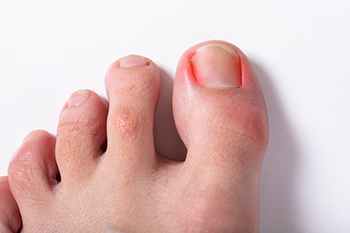
Gout is a painful type of arthritis caused by the buildup of monosodium urate crystals in the joints and tissues. These crystals form when uric acid levels in the blood become too high. Contributing factors include diet, alcohol intake, obesity, and chronic kidney disease, which reduce the body’s ability to eliminate uric acid. Symptoms include sudden joint pain, redness, swelling, and warmth, most often affecting the big toe due to its lower temperature and reduced circulation. A podiatrist can diagnose gout through an examination and testing, then provide treatments to reduce pain, prevent future attacks, and protect joint health. If you have pain in your big toe, it is strongly suggested that you are under the care of a podiatrist who can offer effective relief and treatment solutions.

Gout is a foot condition that requires certain treatment and care. If you are seeking treatment, contact one of our podiatrists from Foot Health Center of Merrimack Valley. Our doctors will treat your foot and ankle needs.

What Is Gout?

Gout is a type of arthritis caused by a buildup of uric acid in the bloodstream. It often develops in the foot, especially the big toe area, although it can manifest in other parts of the body as well. Gout can make walking and standing very painful and is especially common in diabetics and the obese.

People typically get gout because of a poor diet. Genetic predisposition is also a factor. The children of parents who have had gout frequently have a chance of developing it themselves.

Gout can easily be identified by redness and inflammation of the big toe and the surrounding areas of the foot. Other symptoms include extreme fatigue, joint pain, and running high fevers. Sometimes corticosteroid drugs can be prescribed to treat gout, but the best way to combat this disease is to get more exercise and eat a better diet.

If you have any questions, please feel free to contact one of our offices located in North Andover, and Tewksbury, MA . We offer the newest diagnostic and treatment technologies for all your foot care needs.

Read more about Everything You Need to Know About Gout

What to Do if You Step On a Nail

Stepping on a nail can lead to a serious puncture wound, especially if the nail is rusty or contaminated. These types of injuries can drive bacteria deep into the foot, increasing the risk of infection, abscess, or even bone involvement. Symptoms include immediate sharp pain, bleeding, swelling, and difficulty walking. The area may feel tender and become increasingly painful, over time. If the wound becomes infected, you may also notice pus, fever, or red streaks spreading from the site. A podiatrist can assess the severity of the wound, clean and dress it properly, and determine if antibiotics or a tetanus shot are needed. In some cases, imaging may be used to rule out foreign material or bone injury. Prompt treatment reduces the risk of complications, especially for individuals with diabetes or poor circulation. It is suggested that you schedule an appointment with a podiatrist immediately after stepping on a nail to ensure proper wound care and healing.

Wound care is an important part in dealing with diabetes. If you have diabetes and a foot wound or would like more information about wound care for diabetics, consult with one of our podiatrists from Foot Health Center of Merrimack Valley. Our doctors will assess your condition and provide you with quality foot and ankle treatment.

What Is Wound Care?

Wound care is the practice of taking proper care of a wound. This can range from the smallest to the largest of wounds. While everyone can benefit from proper wound care, it is much more important for diabetics. Diabetics often suffer from poor blood circulation which causes wounds to heal much slower than they would in a non-diabetic. 

What Is the Importance of Wound Care?

While it may not seem apparent with small ulcers on the foot, for diabetics, any size ulcer can become infected. Diabetics often also suffer from neuropathy, or nerve loss. This means they might not even feel when they have an ulcer on their foot. If the wound becomes severely infected, amputation may be necessary. Therefore, it is of the upmost importance to properly care for any and all foot wounds.

How to Care for Wounds

The best way to care for foot wounds is to prevent them. For diabetics, this means daily inspections of the feet for any signs of abnormalities or ulcers. It is also recommended to see a podiatrist several times a year for a foot inspection. If you do have an ulcer, run the wound under water to clear dirt from the wound; then apply antibiotic ointment to the wound and cover with a bandage. Bandages should be changed daily and keeping pressure off the wound is smart. It is advised to see a podiatrist, who can keep an eye on it.

If you have any questions please contact one of our offices located in North Andover, and Tewksbury, MA . We offer the newest diagnostic and treatment technologies for all your foot and ankle needs.

Read more about Wound Care

Foot Pain Caused by Plantar Fasciitis

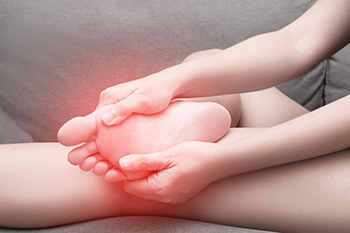
Plantar fasciitis often develops from repeated stress on the thick band of tissue that runs along the bottom of the foot, called the plantar fascia. This ligament connects the heel bone to the toes, helps support the arch and absorbs shock with each step. When the plantar fascia becomes strained, small tears can form. This leads to pain that is usually felt near the heel and often gets worse after long periods of rest or standing. Risk factors of plantar fasciitis include prolonged standing, wearing shoes that lack adequate support, such as flip-flops, having flat feet or very high arches, or gaining body weight. A podiatrist can evaluate the foot, determine the source of pain, and recommend effective treatment, which may include surgery in persistent cases. If you are experiencing foot pain or other symptoms of plantar fasciitis, it is suggested that you make an appointment with a podiatrist for an exam and treatment.

Plantar fasciitis can be very painful and inconvenient. If you are experiencing heel pain or symptoms of plantar fasciitis, contact one of our podiatrists  from Foot Health Center of Merrimack Valley. Our doctors can provide the care you need to keep you pain-free and on your feet.

What Is Plantar Fasciitis?

Plantar fasciitis is the inflammation of the thick band of tissue that runs along the bottom of your foot, known as the plantar fascia, and causes mild to severe heel pain.

What Causes Plantar Fasciitis?

  • Excessive running
  • Non-supportive shoes
  • Overpronation
  • Repeated stretching and tearing of the plantar fascia

How Can It Be Treated?

  • Conservative measures – anti-inflammatories, ice packs, stretching exercises, physical therapy, orthotic devices
  • Shockwave therapy – sound waves are sent to the affected area to facilitate healing and are usually used for chronic cases of plantar fasciitis
  • Surgery – usually only used as a last resort when all else fails. The plantar fascia can be surgically detached from the heel

While very treatable, plantar fasciitis is definitely not something that should be ignored. Especially in severe cases, speaking to your doctor right away is highly recommended to avoid complications and severe heel pain. Your podiatrist can work with you to provide the appropriate treatment options tailored to your condition.

If you have any questions, please feel free to contact one of our offices located in North Andover, and Tewksbury, MA . We offer the newest diagnostic and treatment technologies for all your foot care needs.

Read more about Plantar Fasciitis

Understanding Bunions and How to Find Relief

A bunion is a bony bump that develops at the base of the big toe when the joint shifts out of alignment. Symptoms may include swelling, redness, pain, and difficulty finding comfortable shoes. Risk factors include genetics, flat feet, and wearing narrow or high heeled shoes that put excessive pressure on the toes. Additionally, causes often involve a combination of inherited foot structure and repetitive stress on the joint. A podiatrist can provide solutions including custom orthotics, footwear guidance, and in some cases, surgery to relieve pain and restore function. If you are experiencing discomfort from a bunion, it is suggested that you schedule an appointment with a podiatrist who can offer appropriate treatment solutions for this condition.

If you are suffering from bunions, contact one of our podiatrists of Foot Health Center of Merrimack Valley. Our doctors can provide the care you need to keep you pain-free and on your feet.

What Is a Bunion?

A bunion is formed of swollen tissue or an enlargement of boney growth, usually located at the base joint of the toe that connects to the foot. The swelling occurs due to the bones in the big toe shifting inward, which impacts the other toes of the foot. This causes the area around the base of the big toe to become inflamed and painful.

Why Do Bunions Form?

Genetics – Susceptibility to bunions are often hereditary

Stress on the feet – Poorly fitted and uncomfortable footwear that places stress on feet, such as heels, can worsen existing bunions

How Are Bunions Diagnosed?

Podiatrists often perform two tests – blood tests and x-rays – when trying to diagnose bunions, especially in the early stages of development. Blood tests help determine if the foot pain is being caused by something else, such as arthritis, while x-rays provide a clear picture of your bone structure to your provider.

How Are Bunions Treated?

  • Refrain from wearing heels or similar shoes that cause discomfort
  • Select wider shoes that can provide more comfort and reduce pain
  • Anti-inflammatory and pain management drugs
  • Orthotics or foot inserts
  • Surgery

If you have any questions, please feel free to contact one of our offices located in North Andover, and Tewksbury, MA . We offer the newest diagnostic and treatment technologies for all your foot care needs.

Read more about What Are Bunions?

Living With a Hammertoe

A hammertoe occurs when one or more of the smaller toes bend abnormally at the middle joint, creating a curled or hammer-like appearance. This condition may start with mild stiffness, but often progresses to a rigid contraction that makes wearing shoes painful. Friction from footwear can lead to corns, calluses, and skin irritation, while the altered position of the toe can disrupt balance and gait. Causes include muscle imbalance, wearing tight footwear, genetic factors, or underlying conditions such as arthritis. Early treatment focuses on relieving pressure with choosing wider shoes, toe pads, or custom orthotics, as well as stretching exercises to improve flexibility. More advanced cases may require surgical correction to restore proper alignment. Addressing a hammertoe promptly can prevent progressive damage and chronic discomfort. If you are experiencing pain or difficulty caused by a hammertoe deformity, it is suggested that you visit a podiatrist for evaluation and appropriate treatment.

Hammertoes can be a painful condition to live with. For more information, contact one of our podiatrists of Foot Health Center of Merrimack Valley. Our doctors will answer any of your foot- and ankle-related questions.

Hammertoe

Hammertoe is a foot deformity that occurs due to an imbalance in the muscles, tendons, or ligaments that normally hold the toe straight. It can be caused by the type of shoes you wear, your foot structure, trauma, and certain disease processes.

Symptoms

  • Painful and/or difficult toe movement
  • Swelling
  • Joint stiffness
  • Calluses/Corns
  • Physical deformity

Risk Factors

  • Age – The risk of hammertoe increases with age
  • Sex – Women are more likely to have hammertoe compared to men
  • Toe Length – You are more likely to develop hammertoe if your second toe is longer than your big toe
  • Certain Diseases – Arthritis and diabetes may make you more likely to develop hammertoe

Treatment

If you have hammertoe, you should change into a more comfortable shoe that provides enough room for your toes. Exercises such as picking up marbles may strengthen and stretch your toe muscles. Nevertheless, it is important to seek assistance from a podiatrist in order to determine the severity of your hammertoe and see which treatment option will work best for you.

If you have any questions, please feel free to contact one of our offices located in North Andover, and Tewksbury, MA . We offer the newest diagnostic and treatment technologies for all your foot care needs.

Read more about Hammertoe

Why Live with Pain and Numbness in Your Feet?

Suffering from this type of pain? You may have the foot condition known as Morton's neuroma. Morton's neuroma may develop as a result of ill-fitting footwear and existing foot deformities. We can help.

Boosting Cycling Performance with Arch Support Insoles

Cycling places unique demands on the feet and ankles, and proper support can make a significant difference in performance and injury prevention. Arch support insoles with a forefoot wedge that raises or tilts the front part of the foot for targeted pressure adjustment, help improve alignment, optimize power transfer, and reduce strain during long rides. Without proper support, cyclists may experience foot pain, ankle instability, or overuse injuries such as tendonitis and stress fractures. Risk factors include improper shoe fit, flat feet, and repetitive pedaling motions. A podiatrist can evaluate biomechanics, recommend custom insoles, and treat cycling-related injuries to keep riders strong and efficient. If you have foot pain from cycling, it is suggested that you consult a podiatrist who can treat various foot conditions, and guide you on correct insoles to wear for an enhanced cycling performance.

If you are having discomfort in your feet and would like to try orthotics, contact one of our podiatrists from Foot Health Center of Merrimack Valley. Our doctors can provide the care you need to keep you pain-free and on your feet.

What Are Orthotics?

Orthotics are inserts you can place into your shoes to help with a variety of foot problems such as flat feet or foot pain. Orthotics provide relief and comfort for minor foot and heel pain but can’t correct serious biomechanical problems in your feet.

Over-the-Counter Inserts

Orthotics come in a wide variety of over-the-counter inserts that are used to treat foot pain, heel pain, and minor problems. For example, arch supports can be inserted into your shoes to help correct overarched or flat feet, while gel insoles are often used because they provide comfort and relief from foot and heel pain by alleviating pressure.

Prescription Orthotics

If over-the-counter inserts don’t work for you or if you have a more severe foot concern, it is possible to have your podiatrist prescribe custom orthotics. These high-quality inserts are designed to treat problems such as abnormal motion, plantar fasciitis, and severe forms of heel pain. They can even be used to help patients suffering from diabetes by treating foot ulcers and painful calluses and are usually molded to your feet individually, which allows them to provide full support and comfort.

If you are experiencing minor to severe foot or heel pain, it’s recommended to speak with your podiatrist about the possibilities of using orthotics. A podiatrist can determine which type of orthotic is right for you and allow you to take the first steps towards being pain-free.

If you have any questions, please feel free to contact one of our offices located in North Andover, and Tewksbury, MA . We offer the newest diagnostic and treatment technologies for all your foot care needs.

Read more about Foot Orthotics

An Effective Treatment Method For Broken Toes

Common reasons why a broken toe can occur may be from stubbing it against a piece of furniture, or if a heavy object drops on it. In severe fractures, the patient may hear the bone as it cracks, and this most likely indicates that it is a broken toe. Some of the symptoms that are associated with this condition can include swelling, bruising, and the toe may tingle and feel numb. Many broken toes are treated by using the buddy taping method. This consists of taping the affected toe to the toe next to it. This is helpful in providing the necessary support as the healing process begins. If you feel you may have a broken toe, it is suggested that you consult with a podiatrist who can perform a proper diagnosis and offer correct treatment options.

Broken toes may cause a lot of pain and should be treated as soon as possible. If you have any concerns about your feet, contact one of our podiatrists from Foot Health Center of Merrimack Valley. Our doctors will treat your foot and ankle needs.

What Is a Broken Toe?

A broken toe occurs when one or more of the toe bones of the foot are broken after an injury. Injuries such as stubbing your toe or dropping a heavy object on it may cause a toe fracture.

Symptoms of a Broken Toe

  • Swelling
  • Pain (with/without wearing shoes)
  • Stiffness
  • Nail Injury

Although the injured toe should be monitored daily, it is especially important to have a podiatrist look at your toe if you have severe symptoms. Some of these symptoms include worsening or new pain that is not relieved with medication, sores, redness, or open wounds near the toe.

If you have any questions please feel free to contact one of our offices located in North Andover, and Tewksbury, MA . We offer the newest diagnostic tools and technology to treat your foot and ankle needs.


Read more about What to Know About a Broken Toe
scroll to top