Managing Mid-Foot Pain Through Different Stages of Life

Mid-foot pain can occur at any age, but its causes often change as people move through life. Children may feel soreness from growth-related issues, and teens or young adults may develop pain from sports, jumping, or repetitive impact. Adults frequently notice mid-foot discomfort from overuse or shoes that do not support the arch well. As people get older, gradual weakening of the structures that support the arch can make this area more sensitive. Some injuries in this region, including stress to the navicular bone along the inner mid-foot and damage to the Lisfranc ligament that stabilizes the center of the arch, can become serious if they are missed or treated too late. If mid-foot pain appears suddenly or worsens over time, it is suggested that you see a podiatrist for effective relief and treatment solutions.

Foot Pain

Foot pain can be extremely painful and debilitating. If you have a foot pain, consult with one of our podiatrists from Foot Health Center of Merrimack Valley. Our doctors will assess your condition and provide you with quality foot and ankle treatment.

Causes

Foot pain is a very broad condition that could be caused by one or more ailments. The most common include:

  • Bunions
  • Hammertoes
  • Plantar Fasciitis
  • Bone Spurs
  • Corns
  • Tarsal Tunnel Syndrome
  • Ingrown Toenails
  • Arthritis (such as Gout, Rheumatoid, and Osteoarthritis)
  • Flat Feet
  • Injury (from stress fractures, broken toe, foot, ankle, Achilles tendon ruptures, and sprains)
  • And more

Diagnosis

To figure out the cause of foot pain, podiatrists utilize several different methods. This can range from simple visual inspections and sensation tests to X-rays and MRI scans. Prior medical history, family medical history, and any recent physical traumatic events will all be taken into consideration for a proper diagnosis.

Treatment

Treatment depends upon the cause of the foot pain. Whether it is resting, staying off the foot, or having surgery; podiatrists have a number of treatment options available for foot pain.

If you have any questions, please feel free to contact one of our offices located in North Andover, and Tewksbury, MA . We offer the newest diagnostic and treatment technologies for all your foot care needs.
Read more about Foot Pain

Heel Pain Can Be Treated!

Do you suffer from heel pain when you get up in the morning? If so, you should seek professional help and have a proper diagnosis performed. Heel pain can be caused by several different foot-related conditions.

Managing Plantar Warts

Plantar warts are skin growths on the bottom of the foot caused by the human papillomavirus, or HPV, which enters through tiny cuts or weak spots in the skin. They may appear as small, rough, grainy lesions that interrupt the normal lines of the skin, sometimes with tiny dark spots inside. Plantar warts can feel tender or painful while standing or walking, often creating a sensation similar to stepping on a pebble. Symptoms may include localized pressure, mild swelling, or discomfort that worsens with activity. Causes are often linked to walking barefoot in warm and moist environments, such as locker rooms or around pools, as well as reduced immunity or repetitive foot stress. A podiatrist can start by evaluating the lesion, confirming the diagnosis, and ruling out other conditions like corns or calluses. Treatment options include topical therapies, debridement, or custom padding to relieve pressure. Because early professional care supports faster relief and prevents spreading, it is suggested that you schedule an appointment with a podiatrist for effective relief and treatment solutions.

Plantar warts can be very uncomfortable. If you need your feet checked, contact one of our podiatrists from Foot Health Center of Merrimack Valley. Our doctors will assist you with all of your foot and ankle needs.

About Plantar Warts

Plantar warts are the result of HPV, or human papillomavirus, getting into open wounds on the feet. They are mostly found on the heels or balls of the feet.

While plantar warts are generally harmless, those experiencing excessive pain or those suffering from diabetes or a compromised immune system require immediate medical care. Plantar warts are easily diagnosed, usually through scraping off a bit of rough skin or by getting a biopsy.

Symptoms

  • Lesions on the bottom of your feet, usually rough and grainy
  • Hard or thick callused spots
  • Wart seeds, which are small clotted blood vessels that look like little black spots
  • Pain, discomfort, or tenderness of your feet when walking or standing

Treatment

  • Freezing
  • Electric tool removal
  • Laser Treatment
  • Topical Creams (prescription only)
  • Over-the-counter medications

To help prevent developing plantar warts, avoid walking barefoot over abrasive surfaces that can cause cuts or wounds for HPV to get into. Avoiding direct contact with other warts, as well as not picking or rubbing existing warts, can help prevent the further spread of plantar warts. However, if you think you have developed plantar warts, speak to your podiatrist. He or she can diagnose the warts on your feet and recommend the appropriate treatment options.

If you have any questions, please feel free to contact one of our offices located in North Andover, and Tewksbury, MA . We offer the newest diagnostic and treatment technologies for all your foot care needs.

Read more about Plantar Warts

Growing Feet and Aching Heels

Sever's disease is a common cause of heel pain in active children, particularly during growth spurts when the heel bone develops faster than the surrounding soft tissues. Symptoms include limping after sports, avoiding pressure on the heel, or walking on their toes to reduce discomfort. It may feel like a sharp ache at the back of the heel that worsens with running or jumping. The condition is usually caused by repetitive stress on the heel growth plate, tight calf muscles, or sudden increases in activity. Helpful stretches include the soleus stretch, which gently lengthens the lower calf, and heel dips, which improve flexibility and reduce strain on the heel. A podiatrist can assist from the start by providing a clear diagnosis, assessing foot structure, and recommending personalized treatments. Among them are activity modification, stretching programs, supportive footwear, and orthotic devices. If your active child is experiencing heel pain, it is suggested that you make an appointment with a podiatrist. 

Sever's disease often occurs in children and teens. If your child is experiencing foot or ankle pain, see one of our podiatrists from Foot Health Center of Merrimack Valley. Our doctors can treat your child’s foot and ankle needs.

Sever’s Disease

Sever’s disease is also known as calcaneal apophysitis, which is a medical condition that causes heel pain I none or both feet. The disease is known to affect children between the ages of 8 and 14.

Sever’s disease occurs when part of the child’s heel known as the growth plate (calcaneal epiphysis) is attached to the Achilles tendon. This area can suffer injury when the muscles and tendons of the growing foot do not keep pace with bone growth. Therefore, the constant pain which one experiences at the back of the heel will make the child unable to put any weight on the heel. The child is then forced to walk on their toes.

Symptoms

Acute pain – Pain associated with Sever’s disease is usually felt in the heel when the child engages in physical activity such as walking, jumping and or running.

Highly active – Children who are very active are among the most susceptible in experiencing Sever’s disease, because of the stress and tension placed on their feet.

If you have any questions, please feel free to contact one of our offices located in North Andover, and Tewksbury, MA . We offer the newest diagnostic and treatment technologies for all your foot care needs.

Read more about Sever's Disease

Dealing With an Achilles Tendon Rupture

An Achilles tendon rupture is a sudden injury that affects the back of the ankle and makes it hard to push off the foot or rise onto the toes. The Achilles tendon can tear when the ankle bends upward as the calf tightens during a quick start, stop, or jump. People often feel sharp pain, swelling, or weakness. A podiatrist can diagnose the injury through a physical exam and explain care options. Non-surgical treatment places the foot in a protected position so the tendon can heal, and one advantage is that it avoids wound and infection risks. Surgery brings the torn ends together and offers the advantage of a faster return to activity and a lower chance of another rupture. Both approaches aim to restore strength and steady walking so the foot and ankle can function well again. If you believe you have torn your Achilles tendon, it is suggested that you make an appointment with a podiatrist for a diagnosis and treatment options.

Achilles tendon injuries need immediate attention to avoid future complications. If you have any concerns, contact one of our podiatrists of Foot Health Center of Merrimack Valley. Our doctors can provide the care you need to keep you pain-free and on your feet.

What Is the Achilles Tendon?

The Achilles tendon is a tendon that connects the lower leg muscles and calf to the heel of the foot. It is the strongest tendon in the human body and is essential for making movement possible. Because this tendon is such an integral part of the body, any injuries to it can create immense difficulties and should immediately be presented to a doctor.

What Are the Symptoms of an Achilles Tendon Injury?

There are various types of injuries that can affect the Achilles tendon. The two most common injuries are Achilles tendinitis and ruptures of the tendon.

Achilles Tendinitis Symptoms

  • Inflammation
  • Dull to severe pain
  • Increased blood flow to the tendon
  • Thickening of the tendon

Rupture Symptoms

  • Extreme pain and swelling in the foot
  • Total immobility

Treatment and Prevention

Achilles tendon injuries are diagnosed by a thorough physical evaluation, which can include an MRI. Treatment involves rest, physical therapy, and in some cases, surgery. However, various preventative measures can be taken to avoid these injuries, such as:

  • Thorough stretching of the tendon before and after exercise
  • Strengthening exercises like calf raises, squats, leg curls, leg extensions, leg raises, lunges, and leg presses

If you have any questions please feel free to contact one of our offices located in North Andover, and Tewksbury, MA . We offer the newest diagnostic tools and technology to treat your foot and ankle needs.

Read more about Achilles Tendon Injuries

Preventing Winter Sports Foot and Ankle Injuries

Winter sports offer excitement and exercise, but cold weather increases the risk of foot and ankle injuries. Cold temperatures can reduce muscle flexibility, slow reaction time, and decrease circulation, making ankles more prone to twists, sprains, and strains. Skiing often leads to injuries from falls, improper technique, or equipment that does not provide adequate support. Additionally, ice skating can cause foot and ankle pain if skates do not fit correctly, as tight or loose skates can alter balance and increase pressure on joints. A podiatrist can evaluate injuries, provide proper treatment, recommend supportive footwear or orthotics, and offer guidance on injury prevention techniques. If you participate in winter sports and have sustained a foot or ankle injury, it is suggested that you consult a podiatrist who offers effective treatment and prevention tips.

Ankle and foot injuries are common among athletes and in many sports. They can be caused by several problems and may be potentially serious. If you are feeling pain or think you were injured in a sporting event or when exercising, consult with one of our podiatrists from Foot Health Center of Merrimack Valley. Our doctors will assess your condition and provide you with quality foot and ankle treatment.

Common Injuries

The most common injuries that occur in sporting activities include:

  • Achilles Tendonitis
  • Achilles Tendon Rupture
  • Ankle Sprains
  • Broken Foot
  • Plantar Fasciitis
  • Stress Fractures
  • Turf Toe

Symptoms

Symptoms vary depending upon the injury and in some cases, there may be no symptoms at all. However, in most cases, some form of symptom is experienced. Pain, aching, burning, bruising, tenderness, tightness or stiffness, sensation loss, difficulty moving, and swelling are the most common symptoms.

Treatment

Just as symptoms vary depending upon the injury, so do treatment options. A common treatment method is known as the RICE method. This method involves rest, applying ice, compression and elevating the afflicted foot or ankle. If the injury appears to be more serious, surgery might be required, such as arthroscopic or reconstructive surgery. Lastly, rehabilitation or therapy might be needed to gain full functionality in the afflicted area. Any discomfort experienced by an athlete must be evaluated by a licensed, reputable medical professional.  

If you have any questions please contact one of our offices located in North Andover, and Tewksbury, MA . We offer the newest diagnostic and treatment technologies for all your foot and ankle needs.

Read more about Sports Related Foot and Ankle Injuries

Get 3D Custom Orthotics

3D scanning can give your orthotics the precise fit you need. Give your feet the best in comfort!

Outer Foot Pain Can Be an Avulsion Fracture

Pain on the outer side of the foot can sometimes signal an avulsion fracture, also called a pseudo Jones fracture. This type of injury affects the base of the fifth metatarsal, which is the long bone below the pinky toe. The fracture happens when a tendon pulls a small piece of bone away from its attachment. The injury can occur after a sudden twist, roll, or direct impact to the ankle or foot. People typically notice sharp pain, swelling, and tenderness near the outer edge of the foot, making walking or bearing weight difficult. Because this fracture can be mistaken for a sprain or a more serious type of fracture, an accurate diagnosis is important. A podiatrist can perform an exam, order X-rays, and recommend the best course of treatment, including immobilization or, in some cases, surgery. If you are experiencing outer foot pain, it is suggested that you make an appointment with a podiatrist for a diagnosis and treatment.

A broken foot requires immediate medical attention and treatment. If you need your feet checked, contact one of our podiatrists from Foot Health Center of Merrimack Valley. Our doctors can provide the care you need to keep you pain-free and on your feet.

Broken Foot Causes, Symptoms, and Treatment

A broken foot is caused by one of the bones in the foot typically breaking when bended, crushed, or stretched beyond its natural capabilities. Usually the location of the fracture indicates how the break occurred, whether it was through an object, fall, or any other type of injury. 

Common Symptoms of Broken Feet:

  • Bruising
  • Pain
  • Redness
  • Swelling
  • Blue in color
  • Numbness
  • Cold
  • Misshapen
  • Cuts
  • Deformities

Those that suspect they have a broken foot shoot seek urgent medical attention where a medical professional could diagnose the severity.

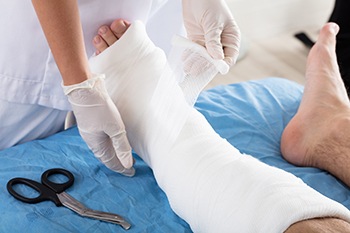
Treatment for broken bones varies depending on the cause, severity and location. Some will require the use of splints, casts or crutches while others could even involve surgery to repair the broken bones. Personal care includes the use of ice and keeping the foot stabilized and elevated.

If you have any questions, please feel free to contact one of our offices located in North Andover, and Tewksbury, MA . We offer the newest diagnostic and treatment technologies for all your foot care needs.
Read more about Causes, Symptoms, and Treatment for a Broken Foot

Why Does My Toe Hurt?

Toe pain can result from a variety of conditions that affect daily comfort and mobility. Gout is a type of arthritis that causes sudden, severe pain, swelling, and redness in the toes. Osteoarthritis and rheumatoid arthritis can lead to joint inflammation, stiffness, and chronic discomfort. Diabetes can cause nerve damage, numbness, or infections that increase the risk of toe pain. Trauma such as a broken toe causes immediate pain, swelling, and difficulty walking. Corns and blisters form from friction or pressure, resulting in localized pain and irritation. A podiatrist can evaluate the underlying cause of toe pain, provide effective treatment options, recommend protective footwear or orthotics, and develop a preventive care plan. If you have toe pain, it is suggested that you consult a podiatrist who can offer effective treatment solutions.  

Toe pain can disrupt your daily activities. If you have any concerns, contact one of our podiatrists of Foot Health Center of Merrimack Valley. Our doctors can provide the care you need to keep you pain-free and on your feet.

What Causes Toe Pain?

Most severe toe pain is caused due to a sports injury, trauma from dropping something heavy on the toe, or bumping into something rigid. Other problems can develop over time for various reasons.

Toe pain can be caused by one or more ailments. The most common include:

  • Trauma
  • Sports injury
  • Wearing shoes that are too tight
  • Arthritis
  • Gout
  • Corns and calluses
  • Hammertoe
  • Bunions
  • Blisters
  • Ingrown toenails
  • Sprains
  • Fractures (broken bones)
  • Dislocations

When to See a Podiatrist

  • Severe pain
  • Persistent pain that lasts more than a week
  • Signs of infection
  • Continued swelling
  • Pain that prevents walking

Diagnosis

In many cases the cause of toe pain is obvious, but in others, a podiatrist may want to use more advanced methods to determine the problem. These can range from simple visual inspections and sensation tests to X-rays and MRI scans. Prior medical history, family medical history, and any recent physical traumatic events will all be taken into consideration for a proper diagnosis.

Treatment

Treatments for toe pain and injuries vary and may include shoe inserts, padding, taping, medicines, injections, and in some cases, surgery. If you believe that you have broken a toe, please see a podiatrist as soon as possible.

If you have any questions please contact one of our offices located in North Andover, and Tewksbury, MA . We offer the newest diagnostic and treatment technologies for all your foot and ankle needs.

Read more about Toe Pain

The Anatomy of the Foot

The human foot is a complex structure made up of bones, joints, muscles, and ligaments that work together to support movement and balance. It contains the tarsal bones in the rear and midfoot, the metatarsals in the arch and forefoot, and the phalanges that form the toes. These bones connect through joints that allow smooth motion while walking or running, as the alignment and function of these structures are essential for stability and shock absorption. When any part of the foot becomes strained or injured, pain and imbalance can occur. A podiatrist can evaluate the biomechanics of the foot, identify abnormalities, and provide treatments or custom orthotics for improved comfort. If you have persistent foot pain, it is suggested that you schedule a visit with a podiatrist who can treat various foot conditions.

If you have any concerns about your feet, contact one of our podiatrists from Foot Health Center of Merrimack Valley. Our doctors can provide the care you need to keep you pain-free and on your feet.

Biomechanics in Podiatry

Podiatric biomechanics is a particular sector of specialty podiatry with licensed practitioners who are trained to diagnose and treat conditions affecting the foot, ankle and lower leg. Biomechanics deals with the forces that act against the body, causing an interference with the biological structures. It focuses on the movement of the ankle, the foot and the forces that interact with them.

A History of Biomechanics

  • Biomechanics dates back to the BC era in Egypt where evidence of professional foot care has been recorded.
  • In 1974, biomechanics gained a higher profile from the studies of Merton Root, who claimed that by changing or controlling the forces between the ankle and the foot, corrections or conditions could be implemented to gain strength and coordination in the area.

Modern technological improvements are based on past theories and therapeutic processes that provide a better understanding of podiatric concepts for biomechanics. Computers can provide accurate information about the forces and patterns of the feet and lower legs.

Understanding biomechanics of the feet can help improve and eliminate pain, stopping further stress to the foot.

If you have any questions please feel free to contact one of our offices located in North Andover, and Tewksbury, MA . We offer the newest diagnostic and treatment technologies for all your foot and ankle needs.

Read more about Biomechanics in Podiatry
scroll to top