November 2026

How Bunions Affect Daily Movement

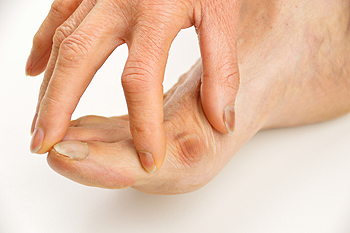
Bunions develop when the joint at the base of the big toe gradually changes position, creating a noticeable bump along the inner side of the foot. As the big toe shifts toward the smaller toes, pressure increases around the affected joint. Early symptoms include tenderness, swelling, or redness near the big toe. Some people also notice stiffness that makes bending the toe uncomfortable. Foot shape, inherited traits, and the way a person walks may influence bunion development. Shoes that place pressure on the front of the foot may worsen irritation. Bunions generally develop over several years, and their appearance may change as the affected joint becomes increasingly misaligned. Understanding these changes helps explain why bunion pain may gradually become more noticeable during everyday activities.


Bunion symptoms differ depending on how much the joint has changed. Pain may feel dull and persistent or become sharper when pressure is placed on the affected area. Some individuals notice throbbing discomfort at night, while others experience pain that spreads toward the ball of the foot. As the big toe moves closer to its neighboring toe, crowding may cause additional irritation. Repeated rubbing may lead to thickened skin, corns, or calluses. In more advanced cases, the big toe may overlap the second toe, making walking and wearing shoes uncomfortable. Swelling around the joint may also press against nearby nerves and produce shooting pain. The size of the bump does not always reflect how painful it feels. Changes in toe alignment and increasing difficulty with normal movement are important signs to discuss during a foot examination.


A podiatrist focuses on identifying the cause of bunion discomfort and evaluating changes in foot structure. This foot doctor examines the big toe joint, checks its range of motion, and reviews how symptoms affect walking. The assessment also helps distinguish bunions from other problems that cause pain near the toes. Treatment planning depends on the severity of the deformity and the amount of discomfort. A podiatrist may recommend appropriate footwear modifications or supportive devices to reduce pressure on the affected joint. Early evaluation helps identify changes in the joint and determine which treatment options are most appropriate. If bunion pain or changes in toe alignment are affecting your daily life, it is suggested that you consult a podiatrist for an evaluation and appropriate treatment options.

If you are suffering from bunions, contact one of our podiatrists of Foot Health Center of Merrimack Valley. Our doctors can provide the care you need to keep you pain-free and on your feet.

What Is a Bunion?

A bunion is formed of swollen tissue or an enlargement of boney growth, usually located at the base joint of the toe that connects to the foot. The swelling occurs due to the bones in the big toe shifting inward, which impacts the other toes of the foot. This causes the area around the base of the big toe to become inflamed and painful.

Why Do Bunions Form?

Genetics – Susceptibility to bunions are often hereditary

Stress on the feet – Poorly fitted and uncomfortable footwear that places stress on feet, such as heels, can worsen existing bunions

How Are Bunions Diagnosed?

Podiatrists often perform two tests – blood tests and x-rays – when trying to diagnose bunions, especially in the early stages of development. Blood tests help determine if the foot pain is being caused by something else, such as arthritis, while x-rays provide a clear picture of your bone structure to your provider.

How Are Bunions Treated?

  • Refrain from wearing heels or similar shoes that cause discomfort
  • Select wider shoes that can provide more comfort and reduce pain
  • Anti-inflammatory and pain management drugs
  • Orthotics or foot inserts
  • Surgery

If you have any questions, please feel free to contact one of our offices located in North Andover, and Tewksbury, MA . We offer the newest diagnostic and treatment technologies for all your foot care needs.

Read more about Bunions

Reminder: When Was the Last Time...?

Custom orthotics, or shoe inserts, should be periodically replaced. Orthotics must fit properly to give you the best results. Protect your feet and ankles!

Podiatry Treatment for Athlete's Foot

Athlete's foot is a fungal infection that affects the skin of the feet. It frequently begins between the toes, where moisture can collect and create an environment that allows fungus to grow. The infection causes itching, burning, and stinging. Skin also becomes cracked or scaly. Some patients develop dry skin on the bottoms or sides of their feet. Athlete's foot spreads through contact with contaminated floors, towels, or other surfaces. The fungus grows well in warm and damp places. Locker rooms and public showers provide conditions where the fungus can spread. Wearing shoes that keep the feet warm and sweaty also create an environment that encourages fungal growth. The infection can spread to other parts of the foot and return after symptoms appear to improve.

A podiatrist examines the skin and determines whether the symptoms are caused by athlete's foot or another foot problem. An evaluation includes looking at the location, appearance, and severity of the affected skin. In some cases, the podiatrist collects a small skin sample to help confirm the diagnosis. Treatment includes prescription-strength antifungal medication when appropriate. These medications target the fungus responsible for the infection. A podiatrist determines which form of medication is best based on the location and severity of the symptoms. The podiatrist also monitors the skin to make sure the infection is responding to treatment. Persistent infections require a different treatment approach.

Athlete's foot can become uncomfortable enough to affect walking and daily activities. Cracked skin also becomes sore and irritated, especially when the affected areas rub against shoes. A podiatrist evaluates persistent symptoms and identifies factors that could contribute to repeated infections. Podiatric care focuses on controlling the fungus, protecting damaged skin, and reducing discomfort. Follow-up visits allow the podiatrist to check whether the infection has cleared and determine whether additional treatment is appropriate. Prompt treatment also helps limit the spread of the infection to other areas of the foot. If you have developed athlete's foot, it is suggested that you schedule an appointment with a podiatrist for effective treatment solutions, which may include prescribed medication. 

Athlete’s foot is an inconvenient condition that can be easily reduced with the proper treatment. If you have any concerns about your feet and ankles, contact one of our podiatrists from Foot Health Center of Merrimack Valley.  Our doctors will treat your foot and ankle needs.

Athlete’s Foot: The Sole Story

Athlete's foot, also known as tinea pedis, can be an extremely contagious foot infection. It is commonly contracted in public changing areas and bathrooms, dormitory style living quarters, around locker rooms and public swimming pools, or anywhere your feet often come into contact with other people.

Solutions to Combat Athlete’s Foot

  • Hydrate your feet by using lotion
  • Exfoliate
  • Buff off nails
  • Use of anti-fungal products
  • Examine your feet and visit your doctor if any suspicious blisters or cuts develop

Athlete’s foot can cause many irritating symptoms such as dry and flaking skin, itching, and redness. Some more severe symptoms can include bleeding and cracked skin, intense itching and burning, and even pain when walking. In the worst cases, Athlete’s foot can cause blistering as well. Speak to your podiatrist for a better understanding of the different causes of Athlete’s foot, as well as help in determining which treatment options are best for you.

If you have any questions please feel free to contact one of our offices located in North Andover, and Tewksbury, MA . We offer the newest diagnostic and treatment technologies for all your foot and ankle needs.

Read more about How to Deal with Athlete's Foot
scroll to top