September 2026

Symptoms and Treatment of Morton's Neuroma

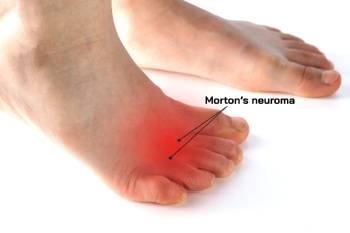
Morton’s neuroma involves a thickening of tissue around a small nerve that leads toward the toes. Despite its name, it is not a true nerve tumor. The problem most often develops between the third and fourth toes, although it can also occur between the second and third toes. Nerve compression is believed to play an important role in its development. Irritation, trauma, or excessive pressure may also contribute. Morton’s neuroma can cause persistent discomfort in the ball of the foot and may interfere with walking or other weight-bearing activities.


Symptoms include burning pain, tingling, or numbness that may extend into the toes. Some people describe feeling as though they are walking on a small pebble. Pain may become more noticeable during activities that place pressure on the front of the foot. High-heeled or narrow shoes can aggravate symptoms because they place additional pressure around the toes and affected nerves. Morton’s neuroma usually does not cause a visible lump or skin discoloration. Because other foot problems can produce similar pain, determining the exact source of discomfort is important.


A podiatrist can evaluate forefoot pain by reviewing symptoms and examining the affected area. The examination may include checking for tender pressure points, toe position, and joint movement. Imaging can sometimes help rule out other causes. X-rays may be used to check for arthritis or a stress fracture, while ultrasound can identify abnormalities associated with Morton’s neuroma. Treatment depends on the severity and duration of symptoms. Medical options may include orthotics or corticosteroid injections to reduce pressure or inflammation. If symptoms continue despite non-surgical care, surgery may be considered to release tissue around the nerve or remove the affected portion. If persistent pain, burning, or tingling develops in the ball of your foot, it is suggested that you consult a podiatrist for an evaluation and appropriate treatment options.

Morton’s neuroma is a very uncomfortable condition to live with. If you think you have Morton’s neuroma, contact one of our podiatrists of Foot Health Center of Merrimack Valley. Our doctors will attend to all of your foot care needs and answer any of your related questions.  

Morton’s Neuroma

Morton's neuroma is a painful foot condition that commonly affects the areas between the second and third or third and fourth toe, although other areas of the foot are also susceptible. Morton’s neuroma is caused by an inflamed nerve in the foot that is being squeezed and aggravated by surrounding bones.

What Increases the Chances of Having Morton’s Neuroma?

  • Ill-fitting high heels or shoes that add pressure to the toe or foot
  • Jogging, running or any sport that involves constant impact to the foot
  • Flat feet, bunions, and any other foot deformities

Morton’s neuroma is a very treatable condition. Orthotics and shoe inserts can often be used to alleviate the pain on the forefront of the feet. In more severe cases, corticosteroids can also be prescribed. In order to figure out the best treatment for your neuroma, it’s recommended to seek the care of a podiatrist who can diagnose your condition and provide different treatment options.

If you have any questions, please feel free to contact one of our offices located in North Andover, and Tewksbury, MA . We offer the newest diagnostic and treatment technologies for all your foot care needs.

Read more about Morton's Neuroma

Understanding Grades of Ankle Sprains in Volleyball

An ankle sprain occurs when ligaments in the ankle are stretched or torn beyond their normal limits. Volleyball players risk this injury because jumping, landing, and changing direction place sudden stress on the ankle. Symptoms may include pain, swelling, and difficulty bearing weight. Risk factors include previous ankle injuries, poor balance, and awkward landings.

Volleyball ankle sprains commonly happen when a player lands on another player’s foot, rolls the ankle while moving, or loses balance while changing direction. A first-degree sprain is mild and involves ligament stretching with minor damage. Pain and swelling are usually limited, and walking may remain possible. A second-degree sprain involves a partial ligament tear, causing pain, swelling, and difficulty walking. A third-degree sprain is the most severe, involving a complete ligament tear. It may cause severe swelling, bruising, and an inability to bear weight.


A podiatrist can evaluate the ankle by reviewing how the injury occurred and checking swelling, movement, and stability. X-rays or imaging tests may be recommended if a fracture is suspected. Treatment depends on the sprain grade and may include rest from volleyball and compression, followed by gradual activity. Severe injuries may require bracing or temporary immobilization.


Preventing another ankle sprain matters because a previous injury can increase the risk of chronic instability. Players should return to volleyball gradually and follow rehabilitation instructions instead of rushing back when pain improves. Supportive volleyball shoes and balance exercises may help protect the ankle. Persistent pain or instability should receive professional attention after a landing injury. If you have sprained your ankle while playing volleyball, it is suggested that you consult a podiatrist for effective relief and treatment solutions.

Sports related foot and ankle injuries require proper treatment before players can go back to their regular routines. For more information, contact one of our podiatrists of Foot Health Center of Merrimack Valley. Our doctors can provide the care you need to keep you pain-free and on your feet.

Sports Related Foot and Ankle Injuries

Foot and ankle injuries are a common occurrence when it comes to athletes of any sport. While many athletes dismiss the initial aches and pains, the truth is that ignoring potential foot and ankle injuries can lead to serious problems. As athletes continue to place pressure and strain the area further, a mild injury can turn into something as serious as a rupture and may lead to a permanent disability. There are many factors that contribute to sports related foot and ankle injuries, which include failure to warm up properly, not providing support or wearing bad footwear. Common injuries and conditions athletes face, including:

  • Plantar Fasciitis
  • Achilles Tendinitis
  • Achilles Tendon Rupture
  • Ankle Sprains

Sports related injuries are commonly treated using the RICE method. This includes rest, applying ice to the injured area, compression and elevating the ankle. More serious sprains and injuries may require surgery, which could include arthroscopic and reconstructive surgery. Rehabilitation and therapy may also be required in order to get any recovering athlete to become fully functional again. Any unusual aches and pains an athlete sustains must be evaluated by a licensed, reputable medical professional.

If you have any questions please contact one of our offices located in North Andover, and Tewksbury, MA . We offer the newest diagnostic and treatment technologies for all your foot and ankle needs.

Read more about Sports Related Foot And Ankle Injuries

How Pronation Affects Foot Health

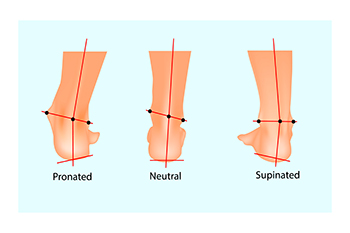
Pronation describes the inward roll of the foot after the heel touches the ground. This movement helps the foot absorb shock and adjust to the surface while walking or running. A small amount of pronation is a normal part of a step. Overpronation occurs when the foot rolls too far inward, which can cause the arch to flatten. It can affect how weight moves through the foot. People with flat feet are more likely to overpronate.

Signs of overpronation can appear in the feet, shoes, or legs. The arch may drop inward when standing, and the inner edges of the shoes may wear down faster. Some patients develop heel pain, arch discomfort, or repeated ankle problems. Extra strain can also reach the knees, hips, and lower back. These symptoms do not always prove that overpronation is the cause. Other foot problems can produce similar pain. A podiatrist can study the position of the feet and watch how they move. This gait evaluation, which is an assessment of walking patterns, helps identify abnormal motion and areas of excess pressure.

Treatment depends on the patient's foot structure, symptoms, and activity level. A podiatrist can recommend shoes with the right amount of support and cushioning. Custom orthotics can also be prescribed to guide foot motion and spread pressure more evenly. These devices are made to match the patient's feet and specific walking pattern. The podiatrist can also evaluate related problems, like plantar fasciitis, tendon strain, or ankle instability. Imaging tests can help rule out bone or joint damage when the examination raises concern. Regular follow-up visits allow the podiatrist to check whether treatment is improving comfort and movement. Surgery is rarely considered and is generally reserved for severe structural problems that do not improve with other care. If you have foot pain after exercise, it is suggested that you schedule an appointment with a podiatrist for a diagnosis and appropriate treatment.

If you have any concerns about your feet, contact one of our podiatrists from Foot Health Center of Merrimack Valley. Our doctors can provide the care you need to keep you pain-free and on your feet.

Biomechanics in Podiatry

Podiatric biomechanics is a particular sector of specialty podiatry with licensed practitioners who are trained to diagnose and treat conditions affecting the foot, ankle and lower leg. Biomechanics deals with the forces that act against the body, causing an interference with the biological structures. It focuses on the movement of the ankle, the foot and the forces that interact with them.

A History of Biomechanics

  • Biomechanics dates back to the BC era in Egypt where evidence of professional foot care has been recorded.
  • In 1974, biomechanics gained a higher profile from the studies of Merton Root, who claimed that by changing or controlling the forces between the ankle and the foot, corrections or conditions could be implemented to gain strength and coordination in the area.

Modern technological improvements are based on past theories and therapeutic processes that provide a better understanding of podiatric concepts for biomechanics. Computers can provide accurate information about the forces and patterns of the feet and lower legs.

Understanding biomechanics of the feet can help improve and eliminate pain, stopping further stress to the foot.

If you have any questions please feel free to contact one of our offices located in North Andover, and Tewksbury, MA . We offer the newest diagnostic and treatment technologies for all your foot and ankle needs.

Read more about The Importance of Biomechanics in Podiatry

Recognizing the Signs of Athlete’s Foot

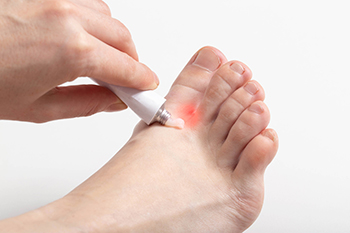
Athlete’s foot is a fungal infection that affects the skin of the feet. It usually develops between the toes, but it can also affect the bottoms and sides of the feet. The infection spreads through contact with fungus on an infected person or contaminated surfaces. Walking barefoot in locker rooms, public pools, or shared shower areas can increase exposure. Warm, moist feet can also create conditions that allow the fungus to grow. Symptoms can include itching, redness, and discomfort. These symptoms can affect more than the skin’s appearance and can make standing or walking uncomfortable.

A podiatrist can evaluate the skin and determine whether the changes are consistent with athlete’s foot or another foot condition. A careful examination can help identify the location and severity of the infection. Treatment from a podiatrist focuses on controlling the fungal infection and protecting the affected skin. Depending on the findings, care can include an appropriate antifungal medication, monitoring the skin for changes, and guidance on preventing the infection from spreading. A podiatrist can also look for problems that could make the skin more vulnerable to irritation or infection. This is especially important when cracking or other skin changes are present. Prompt attention can help reduce discomfort and support healthier skin.

Athlete’s foot can sometimes resemble other conditions that cause redness, scaling, or irritation. Because the appearance of a foot problem does not always reveal its cause, a proper evaluation is important before choosing treatment. A podiatrist can also assess whether the infection has affected other areas of the foot and whether additional care is appropriate. Signs like persistent itching, painful cracks, or spreading redness should not be ignored. Getting podiatric care can help identify the cause of symptoms and create a treatment plan based on the condition of the feet. If you have symptoms of athlete’s foot, it is suggested that you schedule an appointment with a podiatrist for a diagnosis and appropriate treatment.

Athlete’s Foot

Athlete’s foot is often an uncomfortable condition to experience. Thankfully, podiatrists specialize in treating athlete’s foot and offer the best treatment options. If you have any questions about athlete’s foot, consult with one of our podiatrists from Foot Health Center of Merrimack Valley. Our doctors will assess your condition and provide you with quality treatment.

What Is Athlete’s Foot?

Tinea pedis, more commonly known as athlete’s foot, is a non-serious and common fungal infection of the foot. Athlete’s foot is contagious and can be contracted by touching someone who has it or infected surfaces. The most common places contaminated by it are public showers, locker rooms, and swimming pools. Once contracted, it grows on feet that are left inside moist, dark, and warm shoes and socks.

Prevention

The most effective ways to prevent athlete’s foot include:

  • Thoroughly washing and drying feet
  • Avoid going barefoot in locker rooms and public showers
  • Using shower shoes in public showers
  • Wearing socks that allow the feet to breathe
  • Changing socks and shoes frequently if you sweat a lot

Symptoms

Athlete’s foot initially occurs as a rash between the toes. However, if left undiagnosed, it can spread to the sides and bottom of the feet, toenails, and if touched by hand, the hands themselves. Symptoms include:

  • Redness
  • Burning
  • Itching
  • Scaly and peeling skin

Diagnosis and Treatment

Diagnosis is quick and easy. Skin samples will be taken and either viewed under a microscope or sent to a lab for testing. Sometimes, a podiatrist can diagnose it based on simply looking at it. Once confirmed, treatment options include oral and topical antifungal medications.

If you have any questions, please feel free to contact one of our offices located in North Andover, and Tewksbury, MA . We offer the newest diagnostic and treatment technologies for all your foot care needs.
Read more about Athlete's Foot

Plantar Warts Can Be Treated!

Plantar warts are small growths that develop on parts of the feet that bear weight. They're typically found on the bottom of the foot. Don't live with plantar warts, and call us today!

Flat Foot Surgery and Restoring Arch Support

Flat feet, also known as fallen arches, occur when the arch of the foot collapses and the entire sole makes contact with the ground. This condition can appear from childhood or develop due to various factors. Flat foot surgery is a procedure designed to correct this issue by reconstructing the structure of the foot and creating a supportive arch. The goal is to improve alignment, reduce pain, and restore proper function. Understanding the condition and surgical options can help individuals make informed decisions about their care.

Symptoms of flat feet may include foot pain, swelling along the inside of the ankle, and difficulty standing or walking for extended periods of time. Some individuals experience fatigue in the feet or legs due to improper weight distribution. Causes of flat feet can include genetics, trauma, or medical conditions like diabetes that affect nerve function and tissue health. The lack of arch support can place strain on muscles and ligaments, leading to discomfort and reduced mobility. These symptoms may worsen without proper treatment.


Flat foot surgery is typically recommended when conservative treatments do not provide relief. The procedure involves reconstructing the foot to create a stable and supportive arch. This may include repairing tendons, repositioning bones, or using implants to support the structure. The exact approach depends on the severity of the condition and the underlying cause. Risk factors for this type of foot surgery include poor overall health, smoking, and conditions that affect healing, such as diabetes.


Recovery from flat foot surgery requires time, rest, and guided rehabilitation to restore strength and flexibility. Supportive footwear and follow-up care are essential for long-term success. Addressing flat feet can improve comfort, mobility, and overall quality of life. If you have flat feet and are considering surgery, it is suggested that you consult a podiatrist who can determine if this type of foot surgery is right for you.

Foot surgery is sometimes necessary to treat a foot ailment. To learn more, contact one of our podiatrists of Foot Health Center of Merrimack Valley. Our doctors will assist you with all of your foot and ankle needs.

When Is Surgery Necessary?

Foot and ankle surgery is generally reserved for cases in which less invasive, conservative procedures have failed to alleviate the problem. Some of the cases in which surgery may be necessary include:

  • Removing foot deformities like bunions and bone spurs
  • Severe arthritis that has caused bone issues
  • Cosmetic reconstruction

What Types of Surgery Are There?

The type of surgery you receive will depend on the nature of the problem you have. Some of the possible surgeries include:

  • Bunionectomy for painful bunions
  • Surgical fusion for realignment of bones
  • Neuropathy decompression surgery to treat nerve damage

Benefits of Surgery

Although surgery is usually a last resort, it can provide more complete pain relief compared to non-surgical methods and may allow you to finally resume full activity.

Surgical techniques have also become increasingly sophisticated. Techniques like endoscopic surgery allow for smaller incisions and faster recovery times.

If you have any questions, please feel free to contact one of our offices located in North Andover, and Tewksbury, MA . We offer the newest diagnostic and treatment technologies for all your foot care needs.

Read more about Foot and Ankle Surgery
scroll to top