October 2026

Warning Signs of Common Foot Deformities

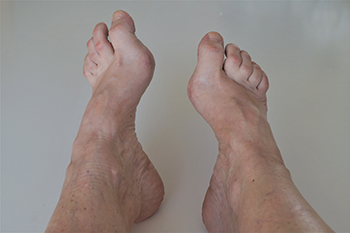
Foot deformities change the shape or alignment of the bones, joints, and supporting tissues in the foot. Some are present at birth, while others develop because of injury, disease, or repeated pressure. Flat feet occur when the arch is low and much of the sole touches the ground. High-arched feet place added pressure on the heel and ball of the foot. A pronated foot rolls too far inward, while splayfoot causes the front of the foot to widen. Mild changes do not always cause discomfort, but painful deformities can interfere with balance and movement.

Other deformities affect the toes or the whole foot. Bunions form when the big-toe joint shifts out of alignment, creating a bony bump on the inner side of the foot. Hammertoes bend downward at a middle toe joint, and claw toes curl at more than one joint. Clubfoot is usually present at birth and causes the foot to turn inward and downward. Equinus limits upward ankle movement, making it difficult for the heel to reach the ground. Foot deformities can lead to pain, calluses, and pressure sores. They can also make walking difficult and place extra strain on the ankles, knees, or hips.

A podiatrist can identify the type of deformity through an examination and an evaluation of how the patient stands and walks. X-rays can show changes in bones and joints. Treatment depends on the cause, symptoms, and effect on movement. A podiatrist can recommend properly fitted shoes, prescribe custom orthotics, or suggest padding to reduce pressure and improve support. Bracing can help control certain alignment problems. When a severe deformity causes lasting pain or limits mobility, surgery may be considered to correct the position of bones, joints, or tendons. Early evaluation can protect the skin, improve comfort, and reduce stress on nearby joints. If you have mild discomfort or severe pain from a foot deformity, it is suggested that you schedule an appointment with a podiatrist for effective relief and management tips.

Foot Pain

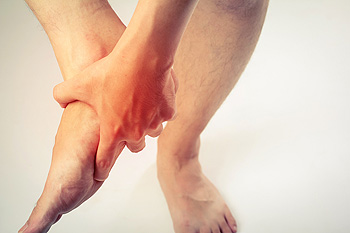
Foot pain can be extremely painful and debilitating. If you have a foot pain, consult with one of our podiatrists from Foot Health Center of Merrimack Valley. Our doctors will assess your condition and provide you with quality foot and ankle treatment.

Causes

Foot pain is a very broad condition that could be caused by one or more ailments. The most common include:

  • Bunions
  • Hammertoes
  • Plantar Fasciitis
  • Bone Spurs
  • Corns
  • Tarsal Tunnel Syndrome
  • Ingrown Toenails
  • Arthritis (such as Gout, Rheumatoid, and Osteoarthritis)
  • Flat Feet
  • Injury (from stress fractures, broken toe, foot, ankle, Achilles tendon ruptures, and sprains)
  • And more

Diagnosis

To figure out the cause of foot pain, podiatrists utilize several different methods. This can range from simple visual inspections and sensation tests to X-rays and MRI scans. Prior medical history, family medical history, and any recent physical traumatic events will all be taken into consideration for a proper diagnosis.

Treatment

Treatment depends upon the cause of the foot pain. Whether it is resting, staying off the foot, or having surgery; podiatrists have a number of treatment options available for foot pain.

If you have any questions, please feel free to contact one of our offices located in North Andover, and Tewksbury, MA . We offer the newest diagnostic and treatment technologies for all your foot care needs.
Read more about Foot Pain

How Gout Is Diagnosed and What the Tests Show

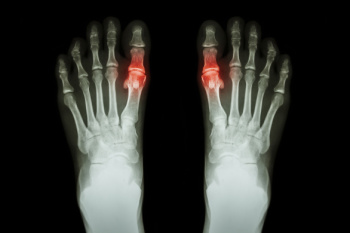
Gout is a form of inflammatory arthritis that develops when uric acid builds up in the body. Excess uric acid can form sharp crystals inside a joint, causing sudden inflammation. Symptoms often include severe joint pain, swelling, and tenderness. The big toe is a common location, although gout can affect other joints. Attacks may begin suddenly and become intense within hours.

Several factors can increase the likelihood of developing gout. Risk is higher for people with elevated uric acid levels, kidney disease, or a family history of gout. Obesity can also contribute to increased risk. Diets high in certain purine-rich foods may raise uric acid. Alcohol consumption and some medications can also affect uric acid levels. Gout becomes more common with age, particularly among adults with other health concerns.


Testing for gout starts with a podiatrist reviewing your symptoms and examining the affected joint. A blood test can measure uric acid levels, but a normal result does not always rule out gout during an active attack. Joint fluid analysis provides stronger confirmation by checking fluid for uric acid crystals. During this test, fluid is carefully removed from the joint and examined. X-rays may help rule out other causes. Ultrasound imaging can detect crystal deposits around the joint.


Once gout is identified, a podiatrist can recommend treatment based on your symptoms and medical history. Treatment may include medication to reduce inflammation during an attack. Long-term management may involve medications that lower uric acid, when medically appropriate. Rest, wearing comfortable footwear, and reducing pressure on the painful joint can also improve comfort. Early evaluation can help prevent repeated attacks and joint damage. If you have symptoms of gout, it is suggested that you are under the care of a podiatrist who can help you to manage this potentially painful condition. 

Gout is a painful condition that can be treated. If you are seeking treatment, contact one of our podiatrists from Foot Health Center of Merrimack Valley. Our doctors will treat your foot and ankle needs.

What Is Gout?

Gout is a form of arthritis that is characterized by sudden, severe attacks of pain, redness, and tenderness in the joints. The condition usually affects the joint at the base of the big toe. A gout attack can occur at any random time, such as the middle of the night while you are asleep.

Symptoms

  • Intense Joint Pain - Usually around the large joint of your big toe, and it most severe within the first four to twelve hours
  • Lingering Discomfort - Joint discomfort may last from a few days to a few weeks
  • Inflammation and Redness -Affected joints may become swollen, tender, warm and red
  • Limited Range of Motion - May experience a decrease in joint mobility

Risk Factors

  • Genetics - If family members have gout, you’re more likely to have it
  • Medications - Diuretic medications can raise uric acid levels
  • Gender/Age - Gout is more common in men until the age of 60. It is believed that estrogen protects women until that point
  • Diet - Eating red meat and shellfish increases your risk
  • Alcohol - Having more than two alcoholic drinks per day increases your risk
  • Obesity - Obese people are at a higher risk for gout

Prior to visiting your podiatrist to receive treatment for gout, there are a few things you should do beforehand. If you have gout you should write down your symptoms--including when they started and how often you experience them, important medical information you may have, and any questions you may have. Writing down these three things will help your podiatrist in assessing your specific situation so that he or she may provide the best route of treatment for you.

If you have any questions, please feel free to contact one of our offices located in North Andover, and Tewksbury, MA . We offer the newest diagnostic and treatment technologies for all your foot care needs.
Read more about Gout

Podiatry Treatment for Plantar Fasciitis

Plantar fasciitis develops when the plantar fascia becomes irritated. The plantar fascia is a strong band of tissue that runs along the bottom of the foot from the heel toward the toes. It helps support the arch and absorbs stress when standing or walking. Repeated strain on this tissue leads to heel pain and tenderness. Factors that contribute include long periods of standing, increased physical activity, and changes in foot structure. Shoes that lack proper support also place added stress on the plantar fascia. Pain is usually felt near the bottom of the heel. It is especially noticeable with the first steps after getting out of bed or after sitting for an extended period.

A podiatrist evaluates plantar fasciitis by examining the foot and identifying areas of pain or tenderness. An examination includes checking the arch, ankle movement, and foot flexibility. The podiatrist also observes how the patient stands and walks in order to identify movement patterns that could place added stress on the plantar fascia. Treatment is focused on reducing strain while improving foot support and function. Custom orthotics help distribute pressure more evenly and support the arch. A podiatrist may recommend shoes that provide appropriate cushioning and support. Targeted treatment also improves flexibility and addresses tight tissues that contribute to heel discomfort.

Plantar fasciitis makes standing, walking, and completing daily activities uncomfortable. Patients can change the way they walk to avoid pressure on the painful heel, which places additional stress on other areas of the foot. A podiatrist identifies these changes and develops a treatment plan based on the patient's symptoms and foot structure. Care is focused on reducing painful pressure and improving the way the foot functions. Treatment can be adjusted according to the patient's activity level and response to care. Addressing the factors that place strain on the plantar fascia supports more comfortable movement and better foot function. If you have symptoms of plantar fasciitis, it is suggested that you make an appointment with a podiatrist for diagnosis and treatment.

Plantar fasciitis is a common foot condition that is often caused by a strain injury. If you are experiencing heel pain or symptoms of plantar fasciitis, contact one of our podiatrists from Foot Health Center of Merrimack Valley. Our doctors can provide the care you need to keep you pain-free and on your feet.

What Is Plantar Fasciitis?

Plantar fasciitis is one of the most common causes of heel pain. The plantar fascia is a ligament that connects your heel to the front of your foot. When this ligament becomes inflamed, plantar fasciitis is the result. If you have plantar fasciitis you will have a stabbing pain that usually occurs with your first steps in the morning. As the day progresses and you walk around more, this pain will start to disappear, but it will return after long periods of standing or sitting.

What Causes Plantar Fasciitis?

  • Excessive running
  • Having high arches in your feet
  • Other foot issues such as flat feet
  • Pregnancy (due to the sudden weight gain)
  • Being on your feet very often

There are some risk factors that may make you more likely to develop plantar fasciitis compared to others. The condition most commonly affects adults between the ages of 40 and 60. It also tends to affect people who are obese because the extra pounds result in extra stress being placed on the plantar fascia.

Prevention

  • Take good care of your feet – Wear shoes that have good arch support and heel cushioning.
  • Maintain a healthy weight
  • If you are a runner, alternate running with other sports that won’t cause heel pain

There are a variety of treatment options available for plantar fasciitis along with the pain that accompanies it. Additionally, physical therapy is a very important component in the treatment process. It is important that you meet with your podiatrist to determine which treatment option is best for you.

If you have any questions, please feel free to contact one of our offices located in North Andover, and Tewksbury, MA . We offer the newest diagnostic and treatment technologies for all your foot care needs.

 

Read more about Plantar Fasciitis

How Aging Can Affect Your Feet

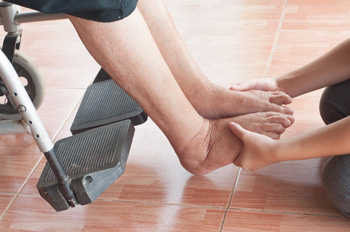
Aging feet can develop changes that affect comfort, balance, and the ability to stay active. The skin can become drier and harder, while the natural padding beneath the feet can change. Joints can become stiffer, and muscles that support the feet can lose strength. These changes can affect how an older person stands and walks. Foot problems in older adults include pain, changes in sensation, and foot deformities. Bunions and changes in the arches can also develop. Because foot problems can affect balance and mobility, proper elderly foot care is an important part of maintaining independence and physical activity.

Several health problems can make foot care especially important for older patients. Diabetes can affect sensation and healing, while circulation problems can reduce the blood supply reaching the feet. Arthritis can contribute to pain and stiffness. Age-related changes can also make the skin more vulnerable to calluses, cracks, and other damage. A podiatrist can examine the feet for changes that could affect comfort or mobility. An examination can include checking the skin, circulation, and sensation. The podiatrist can also evaluate joint movement and foot structure. Regular professional evaluations can help identify problems before they interfere greatly with walking or daily activities.

Podiatric care for aging feet focuses on maintaining comfort, function, and healthy movement. A podiatrist can provide professional nail and skin care when age or health problems make these tasks difficult. Treatment can also address corns, calluses, and painful foot deformities. A podiatrist can assess shoes and recommend properly fitted options that provide appropriate support. Custom orthotics can redistribute pressure and support areas of the feet that need additional help. Care can also address changes in balance or movement that increase the risk of falls. Treatment is based on each patient's health, symptoms, and foot-care needs. If you have symptoms of aging feet, it is suggested that you make an appointment with a podiatrist for diagnosis and treatment.

If you need your feet checked, contact one of our podiatrists of Foot Health Center of Merrimack Valley. Our doctors will attend to all of your foot and ankle needs and provide you with quality treatment.

Geriatrics and Podiatry
When people age, some common issues that may occur are bone density loss, dry skin, poor circulation, and rough brittle nails. These issues may also affect your foot health if the necessary steps are not taken to alleviate the problems.

It is important to take care of your feet because feet that are injured or diseased can affect your overall health. Having painful feet hinders your ability to do daily activities or may decrease your willingness to do the things that you need to do.

Visiting Your Geriatrician
As we age, health problems become more likely, so it is essential to visit your doctor for check-ups to ensure that you are doing the best you can to take care of your health. It is recommended to check your feet frequently for any possible cuts, bruises, swelling, corns or any other irregularities. 

Taking Care of Elderly Feet
Cracked or dry feet can be treated by applying moisturizer often. It is also important not to wear old socks because the older the sock is, the higher the possibility there will be that there is bacteria there. Wear fresh socks and make sure they fit properly.

Proper foot health means that you can have a more active lifestyle and you will not be bogged down by pain. Foot health also leads to good circulation, which is paramount for overall health.

If you have any questions, please feel free to contact one of our offices located in North Andover, and Tewksbury, MA . We offer the newest diagnostic and treatment technologies for all your foot care needs.

Read more about Elderly and their Feet

Why Live with Pain and Numbness in Your Feet?

Suffering from this type of pain? You may have the foot condition known as Morton's neuroma. Morton's neuroma may develop as a result of ill-fitting footwear and existing foot deformities. We can help.

scroll to top