Pumice Stones for Cracked Heels

Pumice stones are light but abrasive stones that are formed from a mixture of lava and water. They are frequently used to remove dead, dry skin from the feet, especially on the heels. To exfoliate dry heels with a pumice stone, soak your heels in warm water for 5 to 10 minutes. Next, remove your heels from the water and dry them. Wet the pumice stone and then rub the abrasive side of the stone on the dry skin, in a circular motion with light pressure, for approximately two minutes or until the dry skin has been removed. When finished, rinse the pumice stone and apply moisturizer to your feet. Avoid rubbing the pumice stone with too much pressure, as this can injure your feet and lead to cuts, bleeding, and infection. If you have diabetes or other foot problems, you should not use a pumice stone to exfoliate without an okay from your doctor. To learn more about foot care, please consult with a podiatrist. 

Cracked heels are unsightly and can cause further damage to your shoes and feet. If you have any concerns, contact one of our podiatrists from Foot Health Center of Merrimack Valley. Our doctors can provide the care you need to keep you pain-free and on your feet.

Cracked Heels

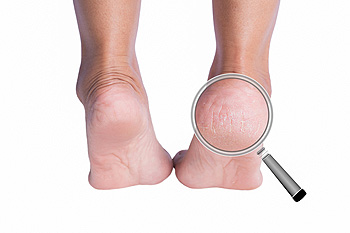
Cracked heels appear unappealing and can make it harder for you walk around in sandals. Aside from looking unpleasant, cracked heels can also tear stockings, socks, and wear out your shoes. There are several methods to help restore a cracked heel and prevent further damage.

How Do You Get Them?

Dry skin is the number one culprit in creating cracked heels. Many athletes, walkers, joggers, and even swimmers suffer from cracked heels. Age and skin oil production play a role to getting cracked heels as well.

Promote Healing

Over the counter medicines can help, especially for those that need instant relief or who suffer from chronic dry feet.

Wear Socks – Wearing socks with medicated creams helps lock in moisture.

Moisturizers – Applying both day and night will help alleviate dryness which causes cracking.

Pumice Stones – These exfoliate and remove dead skin, which allows for smoother moisturizer application and better absorption into the skin. 

Change in Diet

Eating healthy with a well-balanced diet will give the skin a fresh and radiant look. Your body responds to the kinds of food you ingest. Omega-3 fatty acids and zinc supplements can also revitalize skin tissue.

Most importantly, seek professional help if unsure how to proceed in treating cracked heels. A podiatrist will help you with any questions or information needed. 

If you have any questions, please feel free to contact one of our offices located in North Andover, and Tewksbury, MA . We offer the newest diagnostic and treatment technologies for all your foot care needs.
Read more about Solutions for Cracked Heels

Seeing a Podiatrist for Plantar Fasciitis

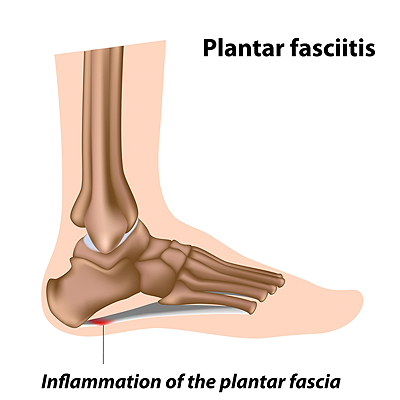
Plantar fasciitis is the inflammation of the plantar fascia, which is the band of tissue that runs along the bottom of the foot from the heel to the toes. A common sign of plantar fasciitis is pain in the heel as well as the arch of the foot. The pain is usually worse when taking your first few steps right after sleeping or resting, and it may ease during exercise and worsen afterwards. Common risk factors for plantar fasciitis include exercising with a tight calf, recently starting to exercise on hard surfaces, wearing shoes with poor support, and being overweight. Patients who have heel pain that is stopping them from doing daily activities, that keeps getting worse, has not improved, or who also have diabetes should consult with a podiatrist for a proper diagnosis and treatment for the pain.

Plantar fasciitis is a common foot condition that is often caused by a strain injury. If you are experiencing heel pain or symptoms of plantar fasciitis, contact one of our podiatrists from Foot Health Center of Merrimack Valley. Our doctors can provide the care you need to keep you pain-free and on your feet.

What Is Plantar Fasciitis?

Plantar fasciitis is one of the most common causes of heel pain. The plantar fascia is a ligament that connects your heel to the front of your foot. When this ligament becomes inflamed, plantar fasciitis is the result. If you have plantar fasciitis you will have a stabbing pain that usually occurs with your first steps in the morning. As the day progresses and you walk around more, this pain will start to disappear, but it will return after long periods of standing or sitting.

What Causes Plantar Fasciitis?

  • Excessive running
  • Having high arches in your feet
  • Other foot issues such as flat feet
  • Pregnancy (due to the sudden weight gain)
  • Being on your feet very often

There are some risk factors that may make you more likely to develop plantar fasciitis compared to others. The condition most commonly affects adults between the ages of 40 and 60. It also tends to affect people who are obese because the extra pounds result in extra stress being placed on the plantar fascia.

Prevention

  • Take good care of your feet – Wear shoes that have good arch support and heel cushioning.
  • Maintain a healthy weight
  • If you are a runner, alternate running with other sports that won’t cause heel pain

There are a variety of treatment options available for plantar fasciitis along with the pain that accompanies it. Additionally, physical therapy is a very important component in the treatment process. It is important that you meet with your podiatrist to determine which treatment option is best for you.

If you have any questions, please feel free to contact one of our offices located in North Andover, and Tewksbury, MA . We offer the newest diagnostic and treatment technologies for all your foot care needs.


Read more about Plantar Fasciitis

Are Bunions Affecting Your Everyday Life?

Have you noticed a bony protrusion on the side of your big toe? If so, you may have developed the foot condition known as a bunion. Don't let bunions interfere with your daily activities.

Solving Super Sweaty Feet

Nearly everybody deals with unwanted foot sweat — especially during the summer months — but if you regularly soak straight through your socks and sandals, you may have plantar hyperhidrosis. Plantar hyperhidrosis is a condition in which the feet sweat excessively due to overactive sweat glands. Besides being embarrassing and uncomfortable, excess moisture on the feet can damage the skin, causing unusual cracking, scaling, or pruning, and increasing your risk of getting a fungal infection such as athlete’s foot. Treatment options for plantar hyperhidrosis include topical antiperspirants, botox injections into the feet, and iontophoresis. If you suspect that you may have this condition, please consult with a podiatrist.

If you are suffering from hyperhidrosis contact one of our podiatrists of Foot Health Center of Merrimack Valley. Our doctors can provide the care you need to attend to all of your foot and ankle needs.

Hyperhidrosis of the Feet

Hyperhidrosis is a rare disorder that can cause people to have excessive sweating of their feet. This can usually occur all on its own without rigorous activity involved. People who suffer from hyperhidrosis may also experience sweaty palms.

Although it is said that sweating is a healthy process meant to cool down the body temperature and to maintain a proper internal temperature, hyperhidrosis may prove to be a huge hindrance on a person’s everyday life.

Plantar hyperhidrosis is considered to be the main form of hyperhidrosis. Secondary hyperhidrosis can refer to sweating that occurs in areas other than the feet or hands and armpits. Often this may be a sign of it being related to another medical condition such as menopause, hyperthyroidism and even Parkinson’s disease.

In order to alleviate this condition, it is important to see your doctor so that they may prescribe the necessary medications so that you can begin to live a normal life again. If this is left untreated, it is said that it will persist throughout an individual’s life.

A last resort approach would be surgery, but it is best to speak with your doctor to find out what may be the best treatment for you.

If you have any questions, please feel free to contact one of our offices located in North Andover, and Tewksbury, MA . We offer the newest diagnostic and treatment technologies for all your foot care needs.

Read more about Hyperhidrosis of the Feet

Effective Foods to Eat That May Help to Minimize Gout

Severe pain and discomfort often accompany the foot condition known as gout. Many patients experience pain in the joints of the big toe and it can be difficult to walk. It occurs as a result of excess uric acid in the blood and may develop from genetic factors. Additionally, research has indicated that eating specific foods may trigger gout attacks due to high levels of purines. These can include seafood, red meat, and beverages that are made with large amounts of sugar. Foods that may lessen the onset of gout can consist of fruits, low-fat dairy products, and recipes that are made with plant-based oils. There are many patients who have changed their eating habits to include brown rice, chicken dishes, and various vegetables, and have found success in managing bouts of gout. If you would like to find out more information about what foods to eat that can help to prevent gout attacks, please consult with a podiatrist.

Gout is a foot condition that requires certain treatment and care. If you are seeking treatment, contact one of our podiatrists from Foot Health Center of Merrimack Valley. Our doctors will treat your foot and ankle needs.

What Is Gout?

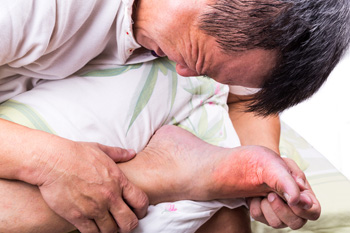
Gout is a type of arthritis caused by a buildup of uric acid in the bloodstream. It often develops in the foot, especially the big toe area, although it can manifest in other parts of the body as well. Gout can make walking and standing very painful and is especially common in diabetics and the obese.

People typically get gout because of a poor diet. Genetic predisposition is also a factor. The children of parents who have had gout frequently have a chance of developing it themselves.

Gout can easily be identified by redness and inflammation of the big toe and the surrounding areas of the foot. Other symptoms include extreme fatigue, joint pain, and running high fevers. Sometimes corticosteroid drugs can be prescribed to treat gout, but the best way to combat this disease is to get more exercise and eat a better diet.

If you have any questions, please feel free to contact one of our offices located in North Andover, and Tewksbury, MA . We offer the newest diagnostic and treatment technologies for all your foot care needs.

Read more about Everything You Need to Know About Gout

Bunions 101

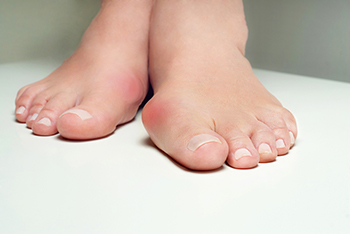
Bunions are a very common foot condition that develops at the main joint of the big toe and appears as a bony lump. Bunions are formed when the joint in the big toe gets pulled out of alignment and is turned towards the rest of the toes. Bunions can be formed due to a variety of factors that include a poor mechanical structure from genetics, footwear that fits poorly and is too narrow, age, or arthritis. Bunions can be painful and can interfere with wearing everyday footwear. Most treatments for bunions focus on relieving the pain caused by them, since surgery is the only option for correcting a bunion. Conservative or nonsurgical treatment options that a podiatrist may recommend include exercises, night splints, and shoe inserts. If you are struggling with a painful bunion, consulting with a podiatrist is suggested. A podiatrist will help you find a proper treatment method for managing the bunion and help determine if surgery is right for you.

If you are suffering from bunion pain, contact one of our podiatrists of Foot Health Center of Merrimack Valley. Our doctors can provide the care you need to keep you pain-free and on your feet.

What Is a Bunion?

Bunions are painful bony bumps that usually develop on the inside of the foot at the joint of the big toe. As the deformity increases over time, it may become painful to walk and wear shoes. Women are more likely to exacerbate existing bunions since they often wear tight, narrow shoes that shift their toes together. Bunion pain can be relieved by wearing wider shoes with enough room for the toes.

Causes

  • Genetics – some people inherit feet that are more prone to bunion development
  • Inflammatory Conditions - rheumatoid arthritis and polio may cause bunion development

Symptoms

  • Redness and inflammation
  • Pain and tenderness
  • Callus or corns on the bump
  • Restricted motion in the big toe

In order to diagnose your bunion, your podiatrist may ask about your medical history, symptoms, and general health. Your doctor might also order an x-ray to take a closer look at your feet. Nonsurgical treatment options include orthotics, padding, icing, changes in footwear, and medication. If nonsurgical treatments don’t alleviate your bunion pain, surgery may be necessary.

If you have any questions, please feel free to contact one of our offices located in North Andover, and Tewksbury, MA . We offer the newest diagnostic and treatment technologies for all your foot care needs.

Read more about What Are Bunions?

Why Does the Bottom of My Foot Hurt?

Pain in the bottom of the foot can have a variety of causes. Wearing ill-fitting shoes or putting excessive strain on the foot may be responsible for your foot pain. If you feel pain in the bottom of your foot immediately after exercising or see swelling and bruising, you may have sprained your foot. Sharp burning or shooting pains in the foot and the sensation that you are walking on a pebble may be indicative of Morton’s neuroma. A sharp pain between your arch and heel or a stabbing pain in the heel are characteristic of plantar fasciitis. You may also have foot pain if you have flat feet or fallen arches. To determine the cause of your foot pain, and to find relief, please seek the care of a podiatrist. 

Foot Pain

Foot pain can be extremely painful and debilitating. If you have a foot pain, consult with one of our podiatrists from Foot Health Center of Merrimack Valley. Our doctors will assess your condition and provide you with quality foot and ankle treatment.

Causes

Foot pain is a very broad condition that could be caused by one or more ailments. The most common include:

  • Bunions
  • Hammertoes
  • Plantar Fasciitis
  • Bone Spurs
  • Corns
  • Tarsal Tunnel Syndrome
  • Ingrown Toenails
  • Arthritis (such as Gout, Rheumatoid, and Osteoarthritis)
  • Flat Feet
  • Injury (from stress fractures, broken toe, foot, ankle, Achilles tendon ruptures, and sprains)
  • And more

Diagnosis

To figure out the cause of foot pain, podiatrists utilize several different methods. This can range from simple visual inspections and sensation tests to X-rays and MRI scans. Prior medical history, family medical history, and any recent physical traumatic events will all be taken into consideration for a proper diagnosis.

Treatment

Treatment depends upon the cause of the foot pain. Whether it is resting, staying off the foot, or having surgery; podiatrists have a number of treatment options available for foot pain.

If you have any questions, please feel free to contact one of our offices located in North Andover, and Tewksbury, MA . We offer the newest diagnostic and treatment technologies for all your foot care needs.

Read more about Foot Pain

Are You Suffering From Ingrown Toenails?

If left untreated, an ingrown toenail can lead to more serious concerns, such as an infection. Knowing proper nail care can help in the prevention of an ingrown toenail. Give us a call, and get treated!

Ankle Sprains in Athletes

Ankle sprains occur when the ligaments that connect the bones become overstretched or torn. Sprains are one of the most common injuries in sports, and they usually occur when the ankle twists or rolls. Athletes who play sports with a variety of quick changes and directions, such as soccer, football, and basketball, are at a higher risk for developing sprained ankles. Athletes who have previously sprained their ankle are also at a higher risk of re-spraining their ankle as well. Ankle sprains are usually indicated by a “snap” or “crack” at the moment of injury, and bruising and swelling can be present as well. If the sprain is severe, walking and putting weight on the ankle will be difficult.  Because an ankle sprain and a fracture can appear similar, patients who believe they have sprained their ankle should consult with a podiatrist to check the extent of their injury. A podiatrist will be able to prescribe medications to reduce the pain as well as provide treatment options in order to allow the ankle to heal. 

Although ankle sprains are common, they aren’t always minor injuries. If you need your ankle injury looked at, contact one of our podiatrists from Foot Health Center of Merrimack Valley. Our doctors can provide the care you need to keep you pain-free and on your feet.

How Does an Ankle Sprain Occur?

Ankle sprains are the result of a tear in the ligaments within the ankle. These injuries may happen when you make a rapid shifting movement while your foot is planted. A less common way to sprain your ankle is when your ankle rolls inward while your foot turns outward.

What Are the Symptoms?

  • Pain at the sight of the tear
  • Bruising/Swelling
  • Ankle area is tender to touch
  • In severe cases, may hear/feel something tear
  • Skin discoloration

Preventing a Sprain

  • Wearing appropriate shoes for the occasion
  • Stretching before exercises and sports
  • Knowing your limits

Treatment of a Sprain

In many cases, the RICE method (Rest, Ice, Compression, and Elevate) is used to treat ankle sprains. However, you should see a podiatrist to see which treatment option would work best with your injury. In severe cases, surgery may be required.

It is important to ask your doctor about rehab options after you receive treatment for your injury. Stretching, strength training, and balance exercises may help the ankle heal while also preventing further injury.

If you have any questions, please feel free to contact one of our offices located in North Andover, and Tewksbury, MA . We offer the newest diagnostic and treatment technologies for all your foot care needs.

Read more about Ankle Sprains

Potential Sources of Heel Pain

Heel pain can be debilitating, and it can develop due to a variety of causes. While it is most common among seniors, heel pain can occur at any age. The most common cause of heel pain is plantar fasciitis. This occurs when the plantar fascia, the tissues that connect the heel to the toes along the bottom of the foot, becomes inflamed. This causes the tissues to pull on and ultimately stress the heel. Plantar fasciitis can also lead to heel spurs. These occur when there are calcium deposits on the bottom of the heel bone that protrude out. Another common cause of heel pain is atrophy of the fat pad on the heel. Children, especially if they are active, who are suffering from heel pain may have Sever’s disease. This occurs when the bones in the calves grow faster than the Achilles tendon, which connects the heel bone to the calf muscle. If you are suffering from heel pain that won’t subside, consult with a podiatrist for a proper diagnosis and treatment method. 

Many people suffer from bouts of heel pain. For more information, contact one of our podiatrists of Foot Health Center of Merrimack Valley. Our doctors can provide the care you need to keep you pain-free and on your feet.

Causes of Heel Pain

Heel pain is often associated with plantar fasciitis. The plantar fascia is a band of tissues that extends along the bottom of the foot. A rip or tear in this ligament can cause inflammation of the tissue.

Achilles tendonitis is another cause of heel pain. Inflammation of the Achilles tendon will cause pain from fractures and muscle tearing. Lack of flexibility is also another symptom.

Heel spurs are another cause of pain. When the tissues of the plantar fascia undergo a great deal of stress, it can lead to ligament separation from the heel bone, causing heel spurs.

Why Might Heel Pain Occur?

  • Wearing ill-fitting shoes                
  • Wearing non-supportive shoes
  • Weight change           
  • Excessive running

Treatments

Heel pain should be treated as soon as possible for immediate results. Keeping your feet in a stress-free environment will help. If you suffer from Achilles tendonitis or plantar fasciitis, applying ice will reduce the swelling. Stretching before an exercise like running will help the muscles. Using all these tips will help make heel pain a condition of the past.

If you have any questions, please feel free to contact one of our offices located in North Andover, and Tewksbury, MA . We offer the newest diagnostic and treatment technologies for all your foot care needs.

Read more about Heel Pain
scroll to top