Flip-Flops Can Be Bad for Kids’ Feet

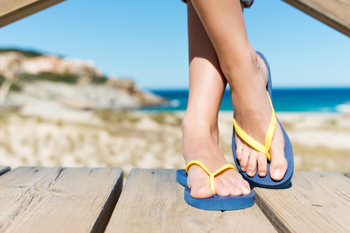
Many children wear flip-flops, especially during the warm summer months. However, those flip-flops can impact their feet long after the end of summer vacation. Heel and arch pain are common complaints among children who wear flip-flops. The heel bone continues to grow even into the midteen years and requires adequate cushioning and support. Flip-flops provide no support to the heel, causing the growth plates in the heel bones to become inflamed, tender, and painful. Frequent flip-flop wearing also makes various foot and ankle problems, such as Achilles tendonitis, ankle sprains, broken toes, plantar warts, and athlete’s foot more likely. If your child complains of foot pain, it is suggested that you schedule them an appointment with a podiatrist. 

Flip-flops are not always the best choice of footwear. If you have any concerns about your feet or ankles, contact one of our podiatrists from Foot Health Center of Merrimack Valley. Our doctors will assist you with all of your foot and ankle needs.

Flip-Flops and Feet

When the weather starts warming up, people enjoy wearing flip-flops.  Flip-flops are comfortable, stylish, and easy to slip on and off; they're perfect for any summer beach goer.  However, these shoes can cause harm to the feet.

How Can Flip-Flops Affect Me Long-Term?

  • Ankle problems
  • Hip problems
  • Lower back problems
  • Pain in the balls of the feet
  • Problems with foot arches
  • Changes in the way you walk

Are There Injuries Associated with Flip-Flops?

Yes.  Since flip-flops are relatively weak and do not provide the same amount of support as sneakers, people who wear flip-flops regularly are more susceptible to injuries. On top of that, the open nature of the shoe makes your feet more prone to other problems, such as cuts and even infections.  Common injuries and ailments include:

  • Sprained ankles
  • Blisters
  • Infections
  • Cuts and Scrapes

I like Wearing Flip-Flops. Are There Safe Alternatives?

When buying flip-flops, try to find ones that have sturdy soles and that are made of high-quality materials that will support for your feet.  These flip-flops will cost more but will also last longer as a result.

If you have any questions, please feel free to contact one of our offices located in North Andover, and Tewksbury, MA . We offer the newest diagnostic and treatment technologies for all your foot care needs.
Read more about Flip Flops and Your Feet

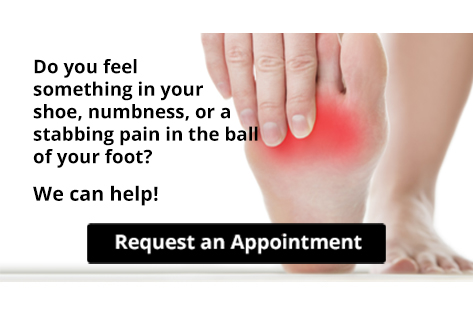
Why Live with Pain and Numbness in Your Feet?

Suffering from this type of pain? You may have the foot condition known as Morton's neuroma. Morton's neuroma may develop as a result of ill-fitting footwear and existing foot deformities. We can help.

What Is Peripheral Artery Disease?

Peripheral artery disease (PAD) causes a narrowing of arteries in the limbs that are not close to the center of the body, such as the legs and feet. These arteries, which carry blood from the heart, become blocked by a buildup of plaque and cannot deliver adequate blood supply to muscles and tissues. This can result in muscle cramping while exercising (claudication) that does not go away after you stop. You may also experience slow-healing foot wounds and slower growth of leg hair and toenails. The skin on your legs may also have a shiny appearance. PAD is potentially dangerous because it increases the risk of a heart attack or stroke. Also, tissue which does not receive enough blood can become infected or die (gangrene) which, left untreated, may lead to a life-threatening blood infection called sepsis. It is important to pay attention and see a podiatrist if your body gives you any warning signs of PAD.

Peripheral artery disease can pose a serious risk to your health. It can increase the risk of stroke and heart attack. If you have symptoms of peripheral artery disease, consult with one of our podiatrists from Foot Health Center of Merrimack Valley. Our doctors will assess your condition and provide you with quality foot and ankle treatment.

Peripheral artery disease (PAD) is when arteries are constricted due to plaque (fatty deposits) build-up. This results in less blood flow to the legs and other extremities. The main cause of PAD is atherosclerosis, in which plaque builds up in the arteries.

Symptoms

Symptoms of PAD include:

  • Claudication (leg pain from walking)
  • Numbness in legs
  • Decrease in growth of leg hair and toenails
  • Paleness of the skin
  • Erectile dysfunction
  • Sores and wounds on legs and feet that won’t heal
  • Coldness in one leg

It is important to note that a majority of individuals never show any symptoms of PAD.

Diagnosis

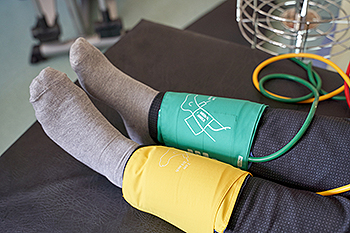
While PAD occurs in the legs and arteries, Podiatrists can diagnose PAD. Podiatrists utilize a test called an ankle-brachial index (ABI). An ABI test compares blood pressure in your arm to you ankle to see if any abnormality occurs. Ultrasound and imaging devices may also be used.

Treatment

Fortunately, lifestyle changes such as maintaining a healthy diet, exercising, managing cholesterol and blood sugar levels, and quitting smoking, can all treat PAD. Medications that prevent clots from occurring can be prescribed. Finally, in some cases, surgery may be recommended.

If you have any questions, please feel free to contact one of our offices located in North Andover, and Tewksbury, MA . We offer the newest diagnostic and treatment technologies for all your foot care needs.
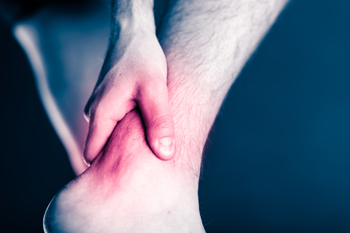
Read more about Peripheral Artery Disease

Where Does Your Ankle Hurt?

If you are suffering from ankle pain, one of the most important questions to answer is: where does your ankle hurt? The location of the ankle pain provides key information to help diagnose the problem. Pain along the inside of the ankle may indicate an eversion ankle sprain, fracture, tibial posterior tendonitis, or tarsal tunnel syndrome. Pain along the outside of the ankle could mean that you have a sprain, sinus tarsi syndrome, peroneal tendonitis, or a peroneal tendon dislocation. Pain at the front of the ankle is often a symptom of tibialis anterior tendonitis or ankle impingement. Pain at the back of the ankle might indicate an Achilles tendon injury, bursitis, or Sever’s disease. A podiatrist can examine your injured ankle, determine the cause of your pain, and find the right treatment for you. 

Ankle pain can have many different causes and the pain may potentially be serious. If you have ankle pain, consult with one of our podiatrists from Foot Health Center of Merrimack Valley. Our doctors will assess your condition and provide you with quality foot and ankle treatment.

Ankle pain is any condition that causes pain in the ankle. Due to the fact that the ankle consists of tendons, muscles, bones, and ligaments, ankle pain can come from a number of different conditions.

Causes

The most common causes of ankle pain include:

  • Types of arthritis (rheumatoid, osteoarthritis, and gout)
  • Ankle sprains
  • Broken ankles
  • Achilles tendinitis
  • Achilles tendon rupture
  • Stress fractures
  • Tarsal tunnel syndrome
  • Plantar fasciitis

Symptoms

Symptoms of ankle injury vary based upon the condition. Pain may include general pain and discomfort, swelling, aching, redness, bruising, burning or stabbing sensations, and/or loss of sensation.

Diagnosis

Due to the wide variety of potential causes of ankle pain, podiatrists will utilize a number of different methods to properly diagnose ankle pain. This can include asking for personal and family medical histories and of any recent injuries. Further diagnosis may include sensation tests, a physical examination, and potentially x-rays or other imaging tests.

Treatment

Just as the range of causes varies widely, so do treatments. Some more common treatments are rest, ice packs, keeping pressure off the foot, orthotics and braces, medication for inflammation and pain, and surgery.

If you have any questions please feel free to contact one of our offices located in North Andover, and Tewksbury, MA . We offer the newest diagnostic tools and technology to treat your foot and ankle needs.

Read more about Ankle Pain

Can Children Develop Toenail Fungus?

While onychomycosis (toenail fungus) is a common condition, it can be rare among infants and children. This is because children’s nails are smaller and grow faster—making their toenails less hospitable to the fungus. However, when pediatric onychomycosis occurs, it should be dealt with swiftly and properly, as it is not good for a child to have any type of infection. Of course, prevention is always the best option, and something that should be highlighted as most children contract onychomycosis from someone in their own home. Don’t share toenail clippers, soap, towels or other personal grooming items with your child. Encourage them to keep their feet clean and dry, and to always wear clean socks and shoes, as well as flip-flops in public showers, locker rooms and around pools. If your child does develop toenail fungus, understand that what may be appropriate treatment for an adult, may not be safe for a child. If your child’s nails are thickened, brittle, crumbling, or yellowish, bring them to a podiatrist to receive an accurate diagnosis and proper treatment.

The health of a child’s feet is vital to their overall well-being. If you have any questions regarding foot health, contact one of our podiatrists of Foot Health Center of Merrimack Valley. Our doctors can provide the care you need to keep you pain-free and on your feet.

Tips for Keeping Children's Feet Healthy

  • Make sure their shoes fit properly
  • Look for any signs of in-toeing or out-toeing
  • Check to see if they have Clubfoot (condition that affects your child’s foot and ankle, twisting the heel and toes inward) which is one of the most common nonmajor birth defects.
  • Lightly cover your baby’s feet (Tight covers may keep your baby from moving their feet freely, and could prevent normal development)
  • Allow your toddler to go shoeless (Shoes can be restricting for a young child’s foot)
  • Cut toenails straight across to avoid ingrown toenails
  • Keep your child’s foot clean and dry
  • Cover cuts and scrapes. Wash any scratches with soap and water and cover them with a bandage until they’ve healed.

If you have any questions, please feel free to contact one of our offices located in North Andover, and Tewksbury, MA . We offer the newest diagnostic and treatment technologies for all your foot care needs.
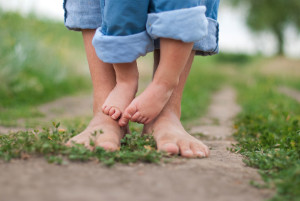
Read more about How to Care for Your Child's Feet

Proper Foot Care for Diabetic Feet

Diabetic patients are often aware of the link between foot problems and how their diabetes is managed. Complications can include a numbing sensation or tingling in the feet which may be the beginning of diabetic neuropathy. It may cause the inability to feel existing cuts, wounds, or bruises. If these ailments are left untreated, a diabetic ulcer may form, which may lead to amputation. Additionally, foot muscles may be affected in severely diabetic patients, which may change the alignment of the foot. Proper foot care management can begin with monitoring the glucose levels in the blood. A daily practice of good foot hygiene can consist of washing and drying the feet thoroughly, and special footwear may need to be worn. If you have diabetes, it is strongly suggested that you are under the care of a podiatrist who can help you to properly manage this condition, in addition to providing you with proper foot care advice.

Diabetic foot care is important in preventing foot ailments such as ulcers. If you are suffering from diabetes or have any other concerns about your feet, contact one of our podiatrists from Foot Health Center of Merrimack Valley. Our doctors can provide the care you need to keep you pain-free and on your feet.

Diabetic Foot Care

Diabetes affects millions of people every year. The condition can damage blood vessels in many parts of the body, especially the feet. Because of this, taking care of your feet is essential if you have diabetes, and having a podiatrist help monitor your foot health is highly recommended.

The Importance of Caring for Your Feet

  • Routinely inspect your feet for bruises or sores.
  • Wear socks that fit your feet comfortably.
  • Wear comfortable shoes that provide adequate support.

Patients with diabetes should have their doctor monitor their blood levels, as blood sugar levels play such a huge role in diabetic care. Monitoring these levels on a regular basis is highly advised.

It is always best to inform your healthcare professional of any concerns you may have regarding your feet, especially for diabetic patients. Early treatment and routine foot examinations are keys to maintaining proper health, especially because severe complications can arise if proper treatment is not applied.

If you have any questions, please feel free to contact one of our offices located in North Andover, and Tewksbury, MA . We offer the newest diagnostic and treatment technologies for all your foot care needs.
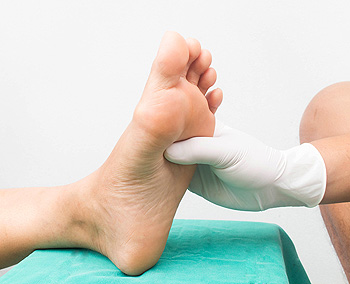
Read more about Diabetic Foot Conditions

Plantar Warts Can Be Treated!

Plantar warts are small growths that develop on parts of the feet that bear weight. They're typically found on the bottom of the foot. Don't live with plantar warts, and call us today!

Are Fallen Arches and Flat Feet the Same Thing?

Fallen arches is a term used to describe flat feet that develop during adulthood. This is in contrast to flat feet that are present from early childhood, when the arch of the foot simply doesn’t form. Fallen arches, on the other hand, are not caused by the arch of the foot not developing, but rather by the arch forming and then collapsing over time. This is often due to weakening of the ligament that supports the arch. When the ligament loses its strength, it can no longer hold up the arch and the arch slowly lowers, creating a flat foot. Fallen arches can occur slowly due to the natural wear-and-tear caused by aging, or may be related to an injury. Another common cause is pregnancy, where hormones relax ligaments throughout the body, including those in the feet, which can lead to structural changes. Fallen arches can cause symptoms that range from mild discomfort to significant chronic pain. If you are experiencing foot pain, please consult with a podiatrist. 

Flatfoot is a condition many people suffer from. If you have flat feet, contact one of our podiatrists from Foot Health Center of Merrimack Valley. Our doctors will treat your foot and ankle needs.

What Are Flat Feet?

Flatfoot is a condition in which the arch of the foot is depressed and the sole of the foot is almost completely in contact with the ground. About 20-30% of the population generally has flat feet because their arches never formed during growth.

Conditions & Problems:

Having flat feet makes it difficult to run or walk because of the stress placed on the ankles.

Alignment – The general alignment of your legs can be disrupted, because the ankles move inward which can cause major discomfort.

Knees – If you have complications with your knees, flat feet can be a contributor to arthritis in that area.  

Symptoms

  • Pain around the heel or arch area
  • Trouble standing on the tip toe
  • Swelling around the inside of the ankle
  • Flat look to one or both feet
  • Having your shoes feel uneven when worn

Treatment

If you are experiencing pain and stress on the foot you may weaken the posterior tibial tendon, which runs around the inside of the ankle. 

If you have any questions, please feel free to contact one of our offices located in North Andover, and Tewksbury, MA . We offer the newest diagnostic and treatment technologies for all your foot care needs.

Read more about What is Flexible Flat Foot?

Why Daily Foot Care Matters During the Summer

Summer is no time for a vacation from foot care. Daily foot hygiene can help combat warmer, more humid weather and the dangers of exposing more of your feet to the elements. If you wear sandals, forego flip flops for more supportive sandals to avoid heel and arch pain. Be sure to wash your feet thoroughly after a day of wearing sandals to remove any germs they may have been exposed to. Choose shoes that fit well and don’t cause friction that can lead to blisters. Instead of bursting a blister that may develop, clean and then cover it with a bandage to allow it to heal on its own. Whatever shoes you wear, air them out between uses to keep foot fungus at bay. Keep yourself hydrated to help prevent swollen feet and ankles and moisturize your feet at night to keep your heels from drying out and cracking. Don’t forget to put sunscreen on the tops of your feet to avoid sunburns. Finally, check your feet regularly and contact a podiatrist if you have any questions or notice anything unusual or uncomfortable.

Everyday foot care is very important to prevent infection and other foot ailments. If you need your feet checked, contact one of our podiatrists from Foot Health Center of Merrimack Valley. Our doctors can provide the care you need to keep you pain-free and on your feet.

Everyday Foot Care

Often, people take care of their bodies, face and hair more so than they do for their feet. But the feet are a very important aspect of our bodies, and one that we should pay more attention to. Without our feet, we would not be able to perform most daily tasks.

It is best to check your feet regularly to make sure there are no new bruises or cuts that you may not have noticed before. For dry feet, moisturizer can easily be a remedy and can be applied as often as necessary to the affected areas. Wearing shoes that fit well can also help you maintain good foot health, as well as making it easier to walk and do daily activities without the stress or pain of ill-fitting shoes, high heels, or even flip flops. Wearing clean socks with closed shoes is important to ensure that sweat and bacteria do not accumulate within the shoe. Clean socks help to prevent Athlete’s foot, fungi problems, bad odors, and can absorb sweat.

If you have any questions, please feel free to contact one of our offices located in North Andover, and Tewksbury, MA . We offer the newest diagnostic and treatment technologies for all your foot care needs.
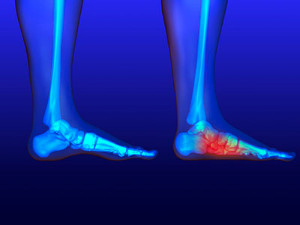
Read more about Every Day Foot Care

Cuboid Fractures

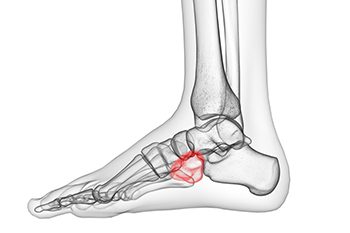
The cuboid is a cube-shaped bone located in the middle of each foot. It functions as a supporting structure that stabilizes the foot and aids in moving the toes. Although somewhat rare, the cuboid bone can be fractured due to injury. Often cuboid fractures co-occur with other problems, such as dislocations, ligament injuries, and other lower limb fractures. Symptoms of a broken cuboid bone include bruising, tenderness, swelling, foot pain, instability, and difficulty bearing weight on the affected foot. If you are experiencing foot pain, it is suggested that you see a podiatrist. This foot and ankle specialist can diagnose your condition and find the best treatment for you.

Cuboid syndrome, also known as cuboid subluxation, occurs when the joints and ligaments near the cuboid bone in the foot become torn. If you have cuboid syndrome, consult with one of our podiatrists from Foot Health Center of Merrimack Valley. Our doctors will assess your condition and provide you with quality foot and ankle treatment.

Cuboid syndrome is a common cause of lateral foot pain, which is pain on the outside of the foot. The condition may happen suddenly due to an ankle sprain, or it may develop slowly overtime from repetitive tension through the bone and surrounding structures.

Causes

The most common causes of cuboid syndrome include:

  • Injury – The most common cause of this ailment is an ankle sprain.
  • Repetitive Strain – Tension placed through the peroneus longus muscle from repetitive activities such as jumping and running may cause excessive traction on the bone causing it to sublux.
  • Altered Foot Biomechanics – Most people suffering from cuboid subluxation have flat feet.

Symptoms

A common symptom of cuboid syndrome is pain along the outside of the foot which can be felt in the ankle and toes. This pain may create walking difficulties and may cause those with the condition to walk with a limp.

Diagnosis

Diagnosis of cuboid syndrome is often difficult, and it is often misdiagnosed. X-rays, MRIs and CT scans often fail to properly show the cuboid subluxation. Although there isn’t a specific test used to diagnose cuboid syndrome, your podiatrist will usually check if pain is felt while pressing firmly on the cuboid bone of your foot.

Treatment

Just as the range of causes varies widely, so do treatments. Some more common treatments are ice therapy, rest, exercise, taping, and orthotics.

If you have any questions, please feel free to contact one of our offices located in North Andover, and Tewksbury, MA . We offer the newest diagnostic and treatment technologies for all your foot care needs.

Read more about All About Cuboid Syndrome
scroll to top