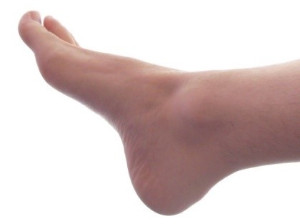
Heel Pain Caused by Plantar Fasciitis

Plantar fasciitis, the most common type of heel pain, is typically caused by overuse of the plantar fascia—the fibrous tissue on the sole of the foot that connects the heel bone with the toes. This condition occurs when the plantar fascia gets overly stretched or damaged, including small tears where this connective tissue joins with the heel bone. Plantar fasciitis causes stabbing pain on the bottom of the heel. It is often worse in the morning when you first wake up, since the plantar fascia has tightened overnight. As you begin stretching the plantar fascia with regular movement, the pain usually lessens, only to increase again as the day progresses. Plantar fasciitis can happen to anyone who overloads the plantar fascia through excessive exercise, obesity or pregnancy and wearing improper footwear, as well as those with diabetes or structural abnormalities in the feet. Podiatrists have many effective treatments for plantar fasciitis. If you are experiencing heel pain, it's a good idea to make an appointment with a podiatrist near you.

Plantar fasciitis is a common foot condition that is often caused by a strain injury. If you are experiencing heel pain or symptoms of plantar fasciitis, contact one of our podiatrists from Foot Health Center of Merrimack Valley. Our doctors can provide the care you need to keep you pain-free and on your feet.

What Is Plantar Fasciitis?

Plantar fasciitis is one of the most common causes of heel pain. The plantar fascia is a ligament that connects your heel to the front of your foot. When this ligament becomes inflamed, plantar fasciitis is the result. If you have plantar fasciitis you will have a stabbing pain that usually occurs with your first steps in the morning. As the day progresses and you walk around more, this pain will start to disappear, but it will return after long periods of standing or sitting.

What Causes Plantar Fasciitis?

  • Excessive running
  • Having high arches in your feet
  • Other foot issues such as flat feet
  • Pregnancy (due to the sudden weight gain)
  • Being on your feet very often

There are some risk factors that may make you more likely to develop plantar fasciitis compared to others. The condition most commonly affects adults between the ages of 40 and 60. It also tends to affect people who are obese because the extra pounds result in extra stress being placed on the plantar fascia.

Prevention

  • Take good care of your feet – Wear shoes that have good arch support and heel cushioning.
  • Maintain a healthy weight
  • If you are a runner, alternate running with other sports that won’t cause heel pain

There are a variety of treatment options available for plantar fasciitis along with the pain that accompanies it. Additionally, physical therapy is a very important component in the treatment process. It is important that you meet with your podiatrist to determine which treatment option is best for you.

If you have any questions, please feel free to contact one of our offices located in North Andover, and Tewksbury, MA . We offer the newest diagnostic and treatment technologies for all your foot care needs.


 

Read more about Plantar Fasciitis

When It Hurts to Bend Your Ankle

Ankle impingement occurs when either soft tissue or bone fragments get compressed, or trapped, if you bend your ankle. This impingement is usually a result of an acute injury, or prolonged stress from repetitive activities. Ankle impingement can either be anterior (affecting the front part of the ankle) or posterior (affecting the back part of the ankle). Anterior ankle impingement usually causes pain on the front/outside of the ankle when the ankle is bent upward (dorsiflexion). Posterior ankle impingement can produce pain in the back of the heel when the ankle is pointed downward (plantarflexion). Ankle impingement is often diagnosed in athletes who play soccer and football, as well as in dancers, gymnasts, and runners. If you have this type of ankle pain, a podiatrist can help you restore ankle stability with certain strengthening exercises, while treating pain and inflammation with rest, icing, anti-inflammatory medication, steroid injections, or even surgery in some cases.

Ankle pain can be caused by a number of problems and may be potentially serious. If you have ankle pain, consult with one of our podiatrists from Foot Health Center of Merrimack Valley. Our doctors will assess your condition and provide you with quality foot and ankle treatment.

Ankle pain is any condition that causes pain in the ankle. Due to the fact that the ankle consists of tendons, muscles, bones, and ligaments, ankle pain can come from a number of different conditions.

Causes

The most common causes of ankle pain include:

  • Types of arthritis (rheumatoid, osteoarthritis, and gout)
  • Ankle sprains
  • Broken ankles
  • Achilles tendonitis
  • Achilles tendon rupture
  • Stress fractures
  • Bursitis
  • Tarsal tunnel syndrome
  • Plantar fasciitis

Symptoms

Symptoms of ankle injury vary based upon the condition. Pain may include general pain and discomfort, swelling, aching, redness, bruising, burning or stabbing sensations, and/or loss of sensation.

Diagnosis

Due to the wide variety of potential causes of ankle pain, podiatrists will utilize a number of different methods to properly diagnose ankle pain. This can include asking for personal and family medical histories and of any recent injuries. Further diagnosis may include sensation tests, a physical examination, and potentially x-rays or other imaging tests.

Treatment

Just as the range of causes varies widely, so do treatments. Some more common treatments are rest, ice packs, keeping pressure off the foot, orthotics and braces, medication for inflammation and pain, and surgery.

If you have any questions please feel free to contact one of our offices located in North Andover, and Tewksbury, MA . We offer the newest diagnostic tools and technology to treat your foot and ankle needs.

Read more about Ankle Pain

Toeing the Line on Toe Pain

The toes are instrumental in everyday movements like walking and running—not to mention athletic activities. Toes are therefore more susceptible to injury, which can result in pain. Toe pain can also be caused by a variety of factors including dysfunction in tissues, bones, nerves, skin, and other parts of the toes. It may also be the result of conditions such as hammertoe, arthritis (including gout), ingrown toenails, bunions, blisters, corns, calluses, tumors, infection, and inflammation (dactylitis). Pain in the toes can be accompanied by feelings of warmth, numbness, as well as other symptoms. If you are experiencing any of these symptoms in your toes, contact a podiatrist who will be able to discover the underlying cause of your toe pain and treat it accordingly.

Foot Pain

Foot pain can be extremely painful and debilitating. If you have a foot pain, consult with one of our podiatrists from Foot Health Center of Merrimack Valley. Our doctors will assess your condition and provide you with quality foot and ankle treatment.

Causes

Foot pain is a very broad condition that could be caused by one or more ailments. The most common include:

  • Bunions
  • Hammertoes
  • Plantar Fasciitis
  • Bone Spurs
  • Corns
  • Tarsal Tunnel Syndrome
  • Ingrown Toenails
  • Arthritis (such as Gout, Rheumatoid, and Osteoarthritis)
  • Flat Feet
  • Injury (from stress fractures, broken toe, foot, ankle, Achilles tendon ruptures, and sprains)
  • And more

Diagnosis

To figure out the cause of foot pain, podiatrists utilize several different methods. This can range from simple visual inspections and sensation tests to X-rays and MRI scans. Prior medical history, family medical history, and any recent physical traumatic events will all be taken into consideration for a proper diagnosis.

Treatment

Treatment depends upon the cause of the foot pain. Whether it is resting, staying off the foot, or having surgery; podiatrists have a number of treatment options available for foot pain.

If you have any questions, please feel free to contact one of our offices located in North Andover, and Tewksbury, MA . We offer the newest diagnostic and treatment technologies for all your foot care needs.

Read more about Foot Pain

Solutions for Sweaty Feet

Do you regularly soak through your socks and shoes, regardless of the weather? Are you worried about leaving behind wet footprints when you walk around barefoot? Excessively sweaty feet may be a sign of a condition called plantar hyperhidrosis. In addition to being potentially embarrassing, this condition also increases your risk of various foot problems, such as fungal infections and injuries due to your feet slipping as you walk. Fortunately, various treatments are available for plantar hyperhidrosis. These include topical antiperspirants, iontophoresis, and botox injections into the foot. There are also special powders and shoe inserts that you can wear to absorb excess moisture. To learn more about treatments for plantar hyperhidrosis, and to find the right one for you, it’s suggested that you consult with a podiatrist.  

If you are suffering from hyperhidrosis contact one of our podiatrists of Foot Health Center of Merrimack Valley. Our doctors can provide the care you need to attend to all of your foot and ankle needs.

Hyperhidrosis of the Feet

Hyperhidrosis is a rare disorder that can cause people to have excessive sweating of their feet. This can usually occur all on its own without rigorous activity involved. People who suffer from hyperhidrosis may also experience sweaty palms.

Although it is said that sweating is a healthy process meant to cool down the body temperature and to maintain a proper internal temperature, hyperhidrosis may prove to be a huge hindrance on a person’s everyday life.

Plantar hyperhidrosis is considered to be the main form of hyperhidrosis. Secondary hyperhidrosis can refer to sweating that occurs in areas other than the feet or hands and armpits. Often this may be a sign of it being related to another medical condition such as menopause, hyperthyroidism and even Parkinson’s disease.

In order to alleviate this condition, it is important to see your doctor so that they may prescribe the necessary medications so that you can begin to live a normal life again. If this is left untreated, it is said that it will persist throughout an individual’s life.

A last resort approach would be surgery, but it is best to speak with your doctor to find out what may be the best treatment for you.

If you have any questions, please feel free to contact one of our offices located in North Andover, and Tewksbury, MA . We offer the newest diagnostic and treatment technologies for all your foot care needs.

Read more about Hyperhidrosis of the Feet

Sports Related Injuries of the Foot and Ankle

There are several types of foot and ankle injuries that can occur when playing sports. The most common sports injury is an ankle sprain. It is important for ankle sprains to be diagnosed and treated professionally, as an improperly healed sprain can lead to additional sprains, chronic ankle instability, and arthritis. Another type of injury athletes face involves the Achilles tendon, which can become inflamed, injured, torn, or even ruptured from repetitive activity or trauma. An inflammation of the plantar fascia on the sole of the foot (plantar fasciitis) can be caused by overuse or wearing shoes that are worn out or inappropriate for the sport being played. Running and court sports can lead to a compression of the nerve between the third and fourth toes. This causes the tissue surrounding the nerve to thicken and, left untreated, may lead to nerve damage. Stress fractures are another type of sports injury where a tiny crack develops over time in a bone due to repetitive activity, poor footwear, changes in activity, or other factors. If you have suffered any type of foot or ankle injury while playing sports, it is suggested that you contact a podiatrist as soon as possible.

Ankle and foot injuries are common among athletes and in many sports. They can be caused by several problems and may be potentially serious. If you are feeling pain or think you were injured in a sporting event or when exercising, consult with one of our podiatrists from Foot Health Center of Merrimack Valley. Our doctors will assess your condition and provide you with quality foot and ankle treatment.

Common Injuries

The most common injuries that occur in sporting activities include:

  • Achilles Tendonitis
  • Achilles Tendon Rupture
  • Ankle Sprains
  • Broken Foot
  • Plantar Fasciitis
  • Stress Fractures
  • Turf Toe

Symptoms

Symptoms vary depending upon the injury and in some cases, there may be no symptoms at all. However, in most cases, some form of symptom is experienced. Pain, aching, burning, bruising, tenderness, tightness or stiffness, sensation loss, difficulty moving, and swelling are the most common symptoms.

Treatment

Just as symptoms vary depending upon the injury, so do treatment options. A common treatment method is known as the RICE method. This method involves rest, applying ice, compression and elevating the afflicted foot or ankle. If the injury appears to be more serious, surgery might be required, such as arthroscopic or reconstructive surgery. Lastly, rehabilitation or therapy might be needed to gain full functionality in the afflicted area. Any discomfort experienced by an athlete must be evaluated by a licensed, reputable medical professional.  

If you have any questions please contact one of our offices located in North Andover, and Tewksbury, MA . We offer the newest diagnostic and treatment technologies for all your foot and ankle needs.

Read more about Sports Related Foot and Ankle Injuries

Heel Pain Can Be Treated!

Do you suffer from heel pain when you get up in the morning? If so, you should seek professional help and have a proper diagnosis performed. Heel pain can be caused by several different foot-related conditions.

Can You Have Athlete’s Foot Without Symptoms?

Athlete’s foot is a fungal infection of the skin on the feet. While it usually causes itching, burning, stinging, and peeling skin, sometimes a person can have athlete’s foot with no symptoms at all. In those cases, the person will likely be unaware that they have an infection. Some people may have only very mild symptoms, and mistake athlete’s foot for dry skin on the soles of their feet. Athlete’s foot can be very contagious, capable of spreading from person to person and from one part of the body to another. If you suspect that you may have athlete’s foot, it is strongly suggested that you see a podiatrist for proper treatment. 

Athlete’s Foot

Athlete’s foot is often an uncomfortable condition to experience. Thankfully, podiatrists specialize in treating athlete’s foot and offer the best treatment options. If you have any questions about athlete’s foot, consult with one of our podiatrists from Foot Health Center of Merrimack Valley. Our doctors will assess your condition and provide you with quality treatment.

What Is Athlete’s Foot?

Tinea pedis, more commonly known as athlete’s foot, is a non-serious and common fungal infection of the foot. Athlete’s foot is contagious and can be contracted by touching someone who has it or infected surfaces. The most common places contaminated by it are public showers, locker rooms, and swimming pools. Once contracted, it grows on feet that are left inside moist, dark, and warm shoes and socks.

Prevention

The most effective ways to prevent athlete’s foot include:

  • Thoroughly washing and drying feet
  • Avoid going barefoot in locker rooms and public showers
  • Using shower shoes in public showers
  • Wearing socks that allow the feet to breathe
  • Changing socks and shoes frequently if you sweat a lot

Symptoms

Athlete’s foot initially occurs as a rash between the toes. However, if left undiagnosed, it can spread to the sides and bottom of the feet, toenails, and if touched by hand, the hands themselves. Symptoms include:

  • Redness
  • Burning
  • Itching
  • Scaly and peeling skin

Diagnosis and Treatment

Diagnosis is quick and easy. Skin samples will be taken and either viewed under a microscope or sent to a lab for testing. Sometimes, a podiatrist can diagnose it based on simply looking at it. Once confirmed, treatment options include oral and topical antifungal medications.

If you have any questions, please feel free to contact one of our offices located in North Andover, and Tewksbury, MA . We offer the newest diagnostic and treatment technologies for all your foot care needs.

Read more about Athlete's Foot

How Severe Is My Achilles Tendon Injury?

The Achilles tendon is a strong band of fibrous tissue that runs along the back of your lower legs, connecting the calf muscles to the heel bone. When this tendon is injured, typically as a result of overuse, wearing the wrong shoes, or having another foot problem, it can become inflamed. A mild Achilles tendon injury is characterized by pain during or shortly after physical activity. A moderate injury may cause swelling in the tendon, and a hard lump called a nodule may form. A severe injury is characterized by pain while bearing weight. In some cases, the tendon can rupture, which is said to feel like a hard whack on the heel. If you have symptoms of an Achilles tendon injury, it is strongly suggested that you seek the care of a podiatrist. 

Achilles tendon injuries need immediate attention to avoid future complications. If you have any concerns, contact one of our podiatrists of Foot Health Center of Merrimack Valley. Our doctors can provide the care you need to keep you pain-free and on your feet.

What Is the Achilles Tendon?

The Achilles tendon is a tendon that connects the lower leg muscles and calf to the heel of the foot. It is the strongest tendon in the human body and is essential for making movement possible. Because this tendon is such an integral part of the body, any injuries to it can create immense difficulties and should immediately be presented to a doctor.

What Are the Symptoms of an Achilles Tendon Injury?

There are various types of injuries that can affect the Achilles tendon. The two most common injuries are Achilles tendinitis and ruptures of the tendon.

Achilles Tendinitis Symptoms

  • Inflammation
  • Dull to severe pain
  • Increased blood flow to the tendon
  • Thickening of the tendon

Rupture Symptoms

  • Extreme pain and swelling in the foot
  • Total immobility

Treatment and Prevention

Achilles tendon injuries are diagnosed by a thorough physical evaluation, which can include an MRI. Treatment involves rest, physical therapy, and in some cases, surgery. However, various preventative measures can be taken to avoid these injuries, such as:

  • Thorough stretching of the tendon before and after exercise
  • Strengthening exercises like calf raises, squats, leg curls, leg extensions, leg raises, lunges, and leg presses

If you have any questions please feel free to contact one of our offices located in North Andover, and Tewksbury, MA . We offer the newest diagnostic tools and technology to treat your foot and ankle needs.

Read more about What are Achilles Tendon Injuries

The Importance of Diagnosing an Ankle Sprain

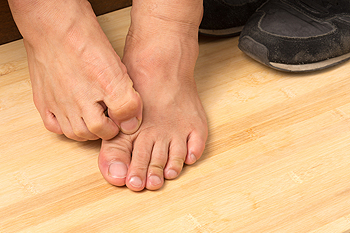
The bones in the ankle are connected by a variety of ligaments. Ankle sprains occur when these ligaments become either overstretched or torn, usually because the ankle is twisted. Mild ankle sprains mean that the ankle is tender and swollen, but more severe ankle sprains can make the ankle unstable and unable to support any weight. Patients who believe they may have sprained an ankle would be wise to consult with a podiatrist, because the symptoms of an ankle sprain are similar to those of a broken ankle, and an x-ray may be necessary. Recurring or severe sprains can also cause long-term weakness and joint pain. Upon the diagnosis of an ankle sprain (or fracture), a podiatrist will be able to provide a treatment plan for the injury.   

Although ankle sprains are common, they aren’t always minor injuries. If you need your ankle injury looked at, contact one of our podiatrists from Foot Health Center of Merrimack Valley. Our doctors can provide the care you need to keep you pain-free and on your feet.

How Does an Ankle Sprain Occur?

Ankle sprains are the result of a tear in the ligaments within the ankle. These injuries may happen when you make a rapid shifting movement while your foot is planted. A less common way to sprain your ankle is when your ankle rolls inward while your foot turns outward.

What Are the Symptoms?

  • Pain at the sight of the tear
  • Bruising/Swelling
  • Ankle area is tender to touch
  • In severe cases, may hear/feel something tear
  • Skin discoloration

Preventing a Sprain

  • Wearing appropriate shoes for the occasion
  • Stretching before exercises and sports
  • Knowing your limits

Treatment of a Sprain

In many cases, the RICE method (Rest, Ice, Compression, and Elevate) is used to treat ankle sprains. However, you should see a podiatrist to see which treatment option would work best with your injury. In severe cases, surgery may be required.

It is important to ask your doctor about rehab options after you receive treatment for your injury. Stretching, strength training, and balance exercises may help the ankle heal while also preventing further injury.

If you have any questions, please feel free to contact one of our offices located in North Andover, and Tewksbury, MA . We offer the newest diagnostic and treatment technologies for all your foot care needs.
Read more about Ankle Sprains

Exercising to Improve Foot Health

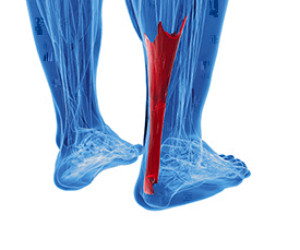
If you get tired from walking or standing for long periods, you may need to perform some simple exercises to strengthen the feet and legs. This exercise can help keep your ankles active and improve circulation as well. Begin by sitting in a straight-backed chair with both feet on the floor. Raise one leg so it’s parallel to the floor and rotate your ankle clockwise in a circular motion. Repeat this motion rotating your ankle counterclockwise. Then flex your toes straight out away from your body and then back towards yourself. Be sure to alternate each leg and foot. Next with your feet flat on the floor, raise your heels and hold for a few seconds, keeping your toes on the floor. You can also try this while pressing lightly on the knees to add a bit of resistance. Another great exercise is toe raises. Instead of lifting the heels, this time lift the toes and keep your heels on the floor. Making these simple exercises a part of your daily routine can strengthen the feet and ankles over time. If you have a foot or ankle condition, or any serious health issues, please be sure to check with a podiatrist before starting any new exercise programs.

Exercising your feet regularly with the proper foot wear is a great way to prevent injuries and build strength. If you have any concerns about your feet, contact one of our podiatrists from Foot Health Center of Merrimack Valley. Our doctors can provide the care you need to keep you pain-free and on your feet.

Exercise for Your Feet

Exercise for your feet can help you gain strength, mobility and flexibility in your feet. They say that strengthening your feet can be just as rewarding as strengthening another part of the body. Your feet are very important, and we often forget about them in our daily tasks. But it is because of our feet that are we able to get going and do what we need to. For those of us fortunate enough to not have any foot problems, it is an important gesture to take care of them to ensure good health in the long run.

Some foot health exercises can include ankle pumps, tip-toeing, toe rises, lifting off the floor doing reps and sets, and flexing the toes. It is best to speak with Our doctors to determine an appropriate regimen for your needs. Everyone’s needs and bodies are different, and the activities required to maintain strength in the feet vary from individual to individual. 

Once you get into a routine of doing regular exercise, you may notice a difference in your feet and how strong they may become.

If you have any questions, please feel free to contact one of our offices located in North Andover, and Tewksbury, MA . We offer the newest diagnostic and treatment technologies for all your foot care needs.
Read more about Exercise for Your Feet
scroll to top