Walking May Help With Symptoms of Arthritis

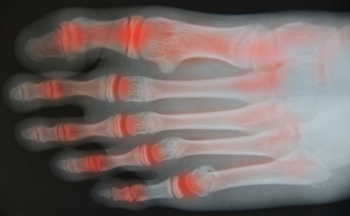
Research has suggested that walking may be one of the best methods to manage the symptoms of pain, stiffness, or inflammation that can coincide with arthritis. It is important to start off slowly by building a walking routine, and with some time and experience, it should become easier when performed every day. Walking can also be beneficial for losing weight which may help lessen the stress that the joints endure. Slowly increasing the frequency, intensity, and length of time that you walk is the preferred method and can help to alleviate the aches and pain from arthritis. Many patients find that counting how many steps they take every day can help track their daily progress for maximum benefits. If you have arthritis in your feet, it is strongly suggested that you consult with a podiatrist who can offer you proper management techniques.

Arthritis can be a difficult condition to live with. If you are seeking treatment, contact one of our podiatrists from Foot Health Center of Merrimack Valley. Our doctors can provide the care you need to keep you pain-free and on your feet.

Arthritic Foot Care  

Arthritis is a term that is commonly used to describe joint pain.  The condition itself can occur to anyone of any age, race, or gender, and there are over 100 types of it.  Nevertheless, arthritis is more commonly found in women compared to men, and it is also more prevalent in those who are overweight. The causes of arthritis vary depending on which type of arthritis you have. Osteoarthritis for example, is often caused by injury, while rheumatoid arthritis is caused by a misdirected immune system.

Symptoms

  • Swelling
  • Pain
  • Stiffness
  • Decreased Range of Motion

Arthritic symptoms range in severity, and they may come and go. Some symptoms stay the same for several years but could potentially get worse with time. Severe cases of arthritis can prevent its sufferers from performing daily activities and make walking difficult.

Risk Factors

  • Occupation – Occupations requiring repetitive knee movements have been linked to osteoarthritis
  • Obesity – Excess weight can contribute to osteoarthritis development
  • Infection – Microbial agents can infect the joints and trigger arthritis
  • Joint Injuries – Damage to joints may lead to osteoarthritis
  • Age – Risk increases with age
  • Gender –Most types are more common in women
  • Genetics – Arthritis can be hereditary

If you suspect your arthritis is affecting your feet, it is crucial that you see a podiatrist immediately. Your doctor will be able to address your specific case and help you decide which treatment method is best for you.

If you have any questions please feel free to contact one of our offices located in North Andover, and Tewksbury, MA . We offer the newest diagnostic tools and technology to treat your foot and ankle needs.

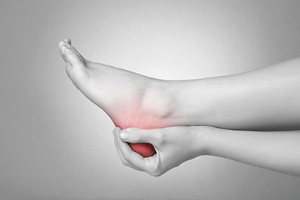
Read more about How to Care for Your Arthritic Foot

Arthritis Can Cause Pain in the Feet and Ankles

If you are suffering from tenderness, pain, or stiffness in the joints of your feet or ankles, call us to schedule an appointment.

Sever’s Disease 101

Sever’s disease is an injury that causes pain in the back of the heel in patients between the ages of 8 and 15. this condition may be a result of a growth spurt when the muscles and tendons in the calves can not keep up with the growth rate of the bones. The tight muscles put more stress on the Achilles tendon particularly where it attaches to the heel bone. Sever’s disease is most common in active adolescents who do a lot of sports training or physical activity. The most common sign is pain in the back of the heel, but other signs of Sever’s disease include worsening pain with physical activity and pain that gets worse throughout the day. If your child is complaining about pain in their heels, consulting with a podiatrist for a proper diagnosis and treatment is suggested.

Sever's disease often occurs in children and teens. If your child is experiencing foot or ankle pain, see one of our podiatrists from Foot Health Center of Merrimack Valley. Our doctors can treat your child’s foot and ankle needs.

Sever’s Disease

Sever’s disease is also known as calcaneal apophysitis, which is a medical condition that causes heel pain I none or both feet. The disease is known to affect children between the ages of 8 and 14.

Sever’s disease occurs when part of the child’s heel known as the growth plate (calcaneal epiphysis) is attached to the Achilles tendon. This area can suffer injury when the muscles and tendons of the growing foot do not keep pace with bone growth. Therefore, the constant pain which one experiences at the back of the heel will make the child unable to put any weight on the heel. The child is then forced to walk on their toes.

Symptoms

Acute pain – Pain associated with Sever’s disease is usually felt in the heel when the child engages in physical activity such as walking, jumping and or running.

Highly active – Children who are very active are among the most susceptible in experiencing Sever’s disease, because of the stress and tension placed on their feet.

If you have any questions, please feel free to contact one of our offices located in North Andover, and Tewksbury, MA . We offer the newest diagnostic and treatment technologies for all your foot care needs.

Read more about Sever's Disease

Stress Fractures in the Front of the Foot

There are five long metatarsal bones in the front of the foot which connect the toes with the tarsal bones of the mid-and-hind-foot. These metatarsals bear a great deal of weight during walking, running and jumping, which makes them more susceptible to tiny cracks known as stress fractures. These stress fractures occur over time through repetitive activity which first weakens, and eventually cracks these metatarsals. Stress fractures in the metatarsals can be caused by osteoporosis or other activities that can weaken bones, irregular body mechanics (how the body moves), or a sudden change in physical activity. Symptoms of a stress fracture can include discomfort ranging from a dull ache to a sharp pain which may wax and wane, along with bruising or swelling. If you are experiencing pain in the front of your foot, or any part of your foot, a podiatrist can help diagnose and treat your condition.

Stress fractures occur when there is a tiny crack within a bone. To learn more, contact one of our podiatrists from Foot Health Center of Merrimack Valley. Our doctors can provide the care you need to keep you pain free and on your feet.

How Are They Caused?

Stress fractures are the result of repetitive force being placed on the bone. Since the lower leg and feet often carry most of the body’s weight, stress fractures are likely to occur in these areas. If you rush into a new exercise, you are more likely to develop a stress fracture since you are starting too much, too soon.  Pain resulting from stress fractures may go unnoticed at first, however it may start to worsen over time.

Risk Factors

  • Gender – They are more commonly found in women compared to men.
  • Foot Problems – People with unusual arches in their feet are more likely to develop stress fractures.
  • Certain Sports – Dancers, gymnasts, tennis players, runners, and basketball players are more likely to develop stress fractures.
  • Lack of Nutrients – A lack of vitamin D and calcium may weaken the bones and make you more prone to stress fractures
  • Weak Bones – Osteoporosis can weaken the bones therefore resulting in stress fractures

Stress fractures do not always heal properly, so it is important that you seek help from a podiatrist if you suspect you may have one. Ignoring your stress fracture may cause it to worsen, and you may develop chronic pain as well as additional fractures.

If you have any questions please contact one of our offices located in North Andover, and Tewksbury, MA . We offer the newest diagnostic and treatment technologies for all your foot and ankle needs.

Read more about Dealing with Stress Fractures of the Foot and Ankle

Why a Podiatrist Should Look at Your Broken Toe

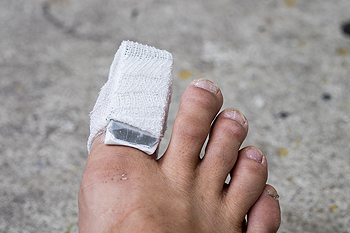
A broken toe is not only painful, it can also be very inconvenient because the toes help with walking and balance. Common signs of a broken toe include the inability to walk, throbbing, bruising, swelling, redness, tenderness, or the toe appears crooked. While the toe bones are small, and a broken toe may seem minor, any toe fracture should be looked at by a podiatrist. If a broken toe is left untreated, complications such as long term pain, arthritis, permanent bone deformity, or an infection may occur. Upon visiting a podiatrist, they will be able to help provide a proper treatment method for the injury. Common treatment methods for a broken toe include icing, resting, buddy taping, or surgery, and in some cases, antibiotics may be necessary if an infection has occurred.  

A broken toe can be very painful and lead to complications if not properly fixed. If you have any concerns about your feet, contact one of our podiatrists from Foot Health Center of Merrimack Valley. Our doctors will treat your foot and ankle needs.
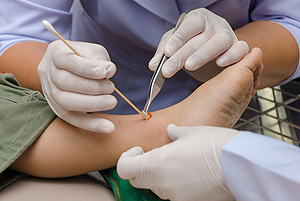
What to Know About a Broken Toe

Although most people try to avoid foot trauma such as banging, stubbing, or dropping heavy objects on their feet, the unfortunate fact is that it is a common occurrence. Given the fact that toes are positioned in front of the feet, they typically sustain the brunt of such trauma. When trauma occurs to a toe, the result can be a painful break (fracture).

Symptoms of a Broken Toe

  • Throbbing pain
  • Swelling
  • Bruising on the skin and toenail
  • The inability to move the toe
  • Toe appears crooked or disfigured
  • Tingling or numbness in the toe

Generally, it is best to stay off of the injured toe with the affected foot elevated.

Severe toe fractures may be treated with a splint, cast, and in some cases, minor surgery. Due to its position and the pressure it endures with daily activity, future complications can occur if the big toe is not properly treated.

If you have any questions, please feel free to contact one of our offices located in North Andover, and Tewksbury, MA . We offer the newest diagnostic and treatment technologies for all your foot care needs.

Read more about What to Know About a Broken Toe

How to Alleviate the Damaging Effects of High Heels

Wearing high heels on a daily basis puts excessive pressure on the balls and soles of your feet and toes, as well as on the back of the heel bone—all of which can cause a host of foot and ankle problems. You can try to help alleviate pain in the plantar fascia by applying light pressure while rolling a tennis ball under the ball of one foot as you stand on the other. Use small, circular motions moving from front-to-back, and switch sides after 30-60 seconds. You can also try to help stretch your calf muscles and strengthen your shins by lifting your toes off of the floor as you walk around in the morning getting ready. A podiatrist can offer more suggestions and therapies to help counter the effects of high heels, as well as treat any foot conditions they may have caused.

High heels have a history of causing foot and ankle problems. If you have any concerns about your feet or ankles, contact one of our podiatrists from Foot Health Center of Merrimack Valley. Our doctors can provide the care you need to keep you pain-free and on your feet.

Effects of High Heels on the Feet

High heels are popular shoes among women because of their many styles and societal appeal.  Despite this, high heels can still cause many health problems if worn too frequently.

Which Parts of My Body Will Be Affected by High Heels?

  • Ankle Joints
  • Achilles Tendon – May shorten and stiffen with prolonged wear
  • Balls of the Feet
  • Knees – Heels cause the knees to bend constantly, creating stress on them
  • Back – They decrease the spine’s ability to absorb shock, which may lead to back pain.  The vertebrae of the lower back may compress.

What Kinds of Foot Problems Can Develop from Wearing High Heels?

  • Corns
  • Calluses
  • Hammertoe
  • Bunions
  • Morton’s Neuroma
  • Plantar Fasciitis

How Can I Still Wear High Heels and Maintain Foot Health?

If you want to wear high heeled shoes, make sure that you are not wearing them every day, as this will help prevent long term physical problems.  Try wearing thicker heels as opposed to stilettos to distribute weight more evenly across the feet.  Always make sure you are wearing the proper shoes for the right occasion, such as sneakers for exercising.  If you walk to work, try carrying your heels with you and changing into them once you arrive at work.  Adding inserts to your heels can help cushion your feet and absorb shock. Full foot inserts or metatarsal pads are available. 

If you have any questions, please feel free to contact one of our offices located in North Andover, and Tewksbury, MA . We offer the newest diagnostic and treatment technologies for all your foot care needs.

Read more about Effect of High Heels on the Feet

Gout Pain Can Be Managed

Gout is a painful, inflammatory form of arthritis. Those affected will typically feel an intense stiffness in the joints of their feet, particularly in the big toe. Schedule a visit to learn about how gout can be managed and treated.

How Can I Prevent Foot Ulcers?

Diabetic foot ulcers (DFUs) are a common complication of diabetes. These foot wounds are difficult to detect in their early stages and heal slowly and poorly, creating a high risk of infection. Fortunately, it is possible to prevent DFUs. The first step in doing so is to protect your feet. Wear comfortable, well-fitting shoes and avoid walking barefoot, even in the home. Small injuries to the foot can go unnoticed and worsen over time due to the lower limb nerve damage and poor circulation that many diabetics face. Protecting your feet helps to avoid those small injuries. Another important step in preventing DFUs is to inspect the feet daily for any abnormalities, such as cuts, scrapes, sores, discoloration, pain, or strange sensations like tingling and numbness. If you notice anything unusual during a daily inspection, contact a podiatrist as soon as possible. A podiatrist can diagnose and treat foot ulcers before they become too severe.

Wound care is an important part in dealing with diabetes. If you have diabetes and a foot wound or would like more information about wound care for diabetics, consult with one of our podiatrists from Foot Health Center of Merrimack Valley. Our doctors will assess your condition and provide you with quality foot and ankle treatment.

What Is Wound Care?

Wound care is the practice of taking proper care of a wound. This can range from the smallest to the largest of wounds. While everyone can benefit from proper wound care, it is much more important for diabetics. Diabetics often suffer from poor blood circulation which causes wounds to heal much slower than they would in a non-diabetic. 

What Is the Importance of Wound Care?

While it may not seem apparent with small ulcers on the foot, for diabetics, any size ulcer can become infected. Diabetics often also suffer from neuropathy, or nerve loss. This means they might not even feel when they have an ulcer on their foot. If the wound becomes severely infected, amputation may be necessary. Therefore, it is of the upmost importance to properly care for any and all foot wounds.

How to Care for Wounds

The best way to care for foot wounds is to prevent them. For diabetics, this means daily inspections of the feet for any signs of abnormalities or ulcers. It is also recommended to see a podiatrist several times a year for a foot inspection. If you do have an ulcer, run the wound under water to clear dirt from the wound; then apply antibiotic ointment to the wound and cover with a bandage. Bandages should be changed daily and keeping pressure off the wound is smart. It is advised to see a podiatrist, who can keep an eye on it.

If you have any questions please contact one of our offices located in North Andover, and Tewksbury, MA . We offer the newest diagnostic and treatment technologies for all your foot and ankle needs.

Read more about Wound Care

What Are the Symptoms of an Ingrown Toenail?

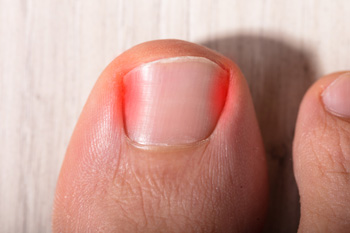
The big toe is most commonly affected when an ingrown toenail develops. An ingrown toenail is defined as the nail growing into the skin instead of over it. This can develop for several reasons including a recent toe injury, wearing shoes that do not fit properly, or from trimming the toenails incorrectly. A common symptom of this condition is pain in the big toe and surrounding areas, followed by redness and swelling. Mild relief may be found when the affected toe is soaked in warm water, and this can make it easier to gently pull the skin away from the toenail. It is also beneficial to wear shoes that have ample room for the toes to move freely in, in addition to refraining from putting pressure on the ingrown toenail. If you have symptoms of an ingrown toenail it is strongly suggested that you meet with a podiatrist who can effectively treat this condition.

Ingrown toenails can become painful if they are not treated properly. For more information about ingrown toenails, contact one of our podiatrists of Foot Health Center of Merrimack Valley. Our doctors can provide the care you need to keep you pain-free and on your feet.

Ingrown Toenails

Ingrown toenails occur when a toenail grows sideways into the bed of the nail, causing pain, swelling, and possibly infection.

Causes

  • Bacterial infections
  • Improper nail cutting such as cutting it too short or not straight across
  • Trauma to the toe, such as stubbing, which causes the nail to grow back irregularly
  • Ill-fitting shoes that bunch the toes too close together
  • Genetic predisposition

Prevention

Because ingrown toenails are not something found outside of shoe-wearing cultures, going barefoot as often as possible will decrease the likeliness of developing ingrown toenails. Wearing proper fitting shoes and using proper cutting techniques will also help decrease your risk of developing ingrown toenails.

Treatment

Ingrown toenails are a very treatable foot condition. In minor cases, soaking the affected area in salt or antibacterial soaps will not only help with the ingrown nail itself, but also help prevent any infections from occurring. In more severe cases, surgery is an option. In either case, speaking to your podiatrist about this condition will help you get a better understanding of specific treatment options that are right for you.

If you have any questions, please feel free to contact one of our offices located in North Andover, and Tewksbury, MA . We offer the newest diagnostic and treatment technologies for all your foot care needs.

Read more about Ingrown Toenails

Causes of Plantar Fasciitis

Plantar fasciitis, an inflammation of the tendon that runs along the bottom of the foot, is the most common cause of heel pain. This condition can develop following long hours of standing, walking, running, or participating in sports. In rarer cases, an acute injury to the bottom of the foot can damage the plantar fascia and bring forth early stages of this condition. Having flat or overpronated feet, high arches, wearing ill-fitting and uncomfortable shoes, having tight calf muscles, or being overweight or obese can also cause plantar fasciitis. If you are suffering from heel pain, it is strongly suggested that you schedule an appointment with a podiatrist near you.

Many people suffer from bouts of heel pain. For more information, contact one of our podiatrists of Foot Health Center of Merrimack Valley. Our doctors can provide the care you need to keep you pain-free and on your feet.

Causes of Heel Pain

Heel pain is often associated with plantar fasciitis. The plantar fascia is a band of tissues that extends along the bottom of the foot. A rip or tear in this ligament can cause inflammation of the tissue.

Achilles tendonitis is another cause of heel pain. Inflammation of the Achilles tendon will cause pain from fractures and muscle tearing. Lack of flexibility is also another symptom.

Heel spurs are another cause of pain. When the tissues of the plantar fascia undergo a great deal of stress, it can lead to ligament separation from the heel bone, causing heel spurs.

Why Might Heel Pain Occur?

  • Wearing ill-fitting shoes                
  • Wearing non-supportive shoes
  • Weight change           
  • Excessive running

Treatments

Heel pain should be treated as soon as possible for immediate results. Keeping your feet in a stress-free environment will help. If you suffer from Achilles tendonitis or plantar fasciitis, applying ice will reduce the swelling. Stretching before an exercise like running will help the muscles. Using all these tips will help make heel pain a condition of the past.

If you have any questions, please feel free to contact one of our offices located in North Andover, and Tewksbury, MA . We offer the newest diagnostic and treatment technologies for all your foot care needs.

Read more about Heel Pain
scroll to top