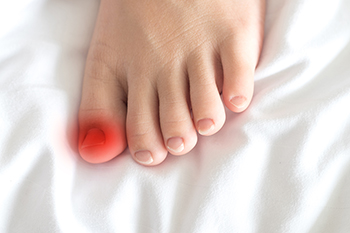
How Do Ingrown Toenails Develop?

The medical term for an ingrown toenail is onychocryptosis. It can cause pain and discomfort from the nail growing into the sides of the skin. It is a common foot condition that can be caused by wearing shoes that do not fit correctly. Additionally, many people develop ingrown toenails from genetic factors or from trimming the toenails incorrectly. The symptoms that are often observed with ingrown toenails are toe pain, redness, and a discharge may ooze from the affected area. The foot may feel better when it is soaked in warm water, and this can help to soften the skin. In mild cases, the ingrown toenail can be pushed away from the skin, which may accelerate healing. If you have developed an ingrown toenail and, especially if you have medical conditions that can include diabetes or neuropathy, it is strongly advised that you seek the counsel of a podiatrist who can provide the care needed.

Ingrown toenails may initially present themselves as a minor discomfort, but they may progress into an infection in the skin without proper treatment. For more information about ingrown toenails, contact one of our podiatrists of Foot Health Center of Merrimack Valley. Our doctors can provide the care you need to keep you pain-free and on your feet.

Ingrown Toenails

Ingrown toenails are caused when the corner or side of a toenail grows into the soft flesh surrounding it. They often result in redness, swelling, pain, and in some cases, infection. This condition typically affects the big toe and may recur if it is not treated properly.

Causes

  • Improper toenail trimming
  • Genetics
  • Improper shoe fitting
  • Injury from pedicures or nail picking
  • Abnormal gait
  • Poor hygiene

You are more likely to develop an ingrown toenail if you are obese, have diabetes, arthritis, or have any fungal infection in your nails. Additionally, people who have foot or toe deformities are at a higher risk of developing an ingrown toenail.

Symptoms

Some symptoms of ingrown toenails are redness, swelling, and pain. In rare cases, there may be a yellowish drainage coming from the nail.

Treatment

Ignoring an ingrown toenail can have serious complications. Infections of the nail border can progress to a deeper soft-tissue infection, which can then turn into a bone infection. You should always speak with your podiatrist if you suspect you have an ingrown toenail, especially if you have diabetes or poor circulation.

If you have any questions, please feel free to contact one of our offices located in North Andover, and Tewksbury, MA . We offer the newest diagnostic and treatment technologies for all your foot care needs.
Read more about Ingrown Toenail Care

Dry Skin on the Heels May Lead To Cracked Heels

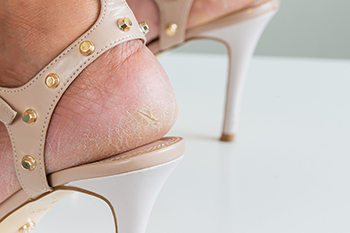
There are many people who notice they have dry skin on their feet, especially in the cold months. This could lead to a condition that is referred to as cracked heels, which may become a serious ailment if it is not treated properly. Some of methods that can be used to prevent cracked heels include moisturizing the feet within five minutes of bathing, and wearing shoes that have a closed back. Dry skin on the heels may be prevented by applying a balm and wearing socks before bed. People who are obese may experience cracked heels, as a result of the extra weight the feet must endure. There may be existing medical conditions that can lead to this ailment, such as diabetes and thyroid disorders. Cracked heels can cause pain and discomfort, and may bleed in severe cases. If you notice dry skin on your heels, it is suggested you consult with a podiatrist before it becomes worse and develops into cracked heels.

Cracked heels are unsightly and can cause further damage to your shoes and feet. If you have any concerns, contact one of our podiatrists from Foot Health Center of Merrimack Valley. Our doctors can provide the care you need to keep you pain-free and on your feet.

Cracked Heels

Cracked heels appear unappealing and can make it harder for you walk around in sandals. Aside from looking unpleasant, cracked heels can also tear stockings, socks, and wear out your shoes. There are several methods to help restore a cracked heel and prevent further damage.

How Do You Get Them?

Dry skin is the number one culprit in creating cracked heels. Many athletes, walkers, joggers, and even swimmers suffer from cracked heels. Age and skin oil production play a role to getting cracked heels as well.

Promote Healing

Over the counter medicines can help, especially for those that need instant relief or who suffer from chronic dry feet.

Wear Socks – Wearing socks with medicated creams helps lock in moisture.

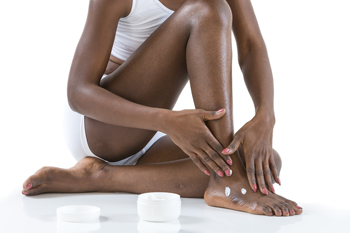
Moisturizers – Applying both day and night will help alleviate dryness which causes cracking.

Pumice Stones – These exfoliate and remove dead skin, which allows for smoother moisturizer application and better absorption into the skin. 

Change in Diet

Eating healthy with a well-balanced diet will give the skin a fresh and radiant look. Your body responds to the kinds of food you ingest. Omega-3 fatty acids and zinc supplements can also revitalize skin tissue.

Most importantly, seek professional help if unsure how to proceed in treating cracked heels. A podiatrist will help you with any questions or information needed. 

If you have any questions, please feel free to contact one of our offices located in North Andover, and Tewksbury, MA . We offer the newest diagnostic and treatment technologies for all your foot care needs.
Read more about Solutions for Cracked Heels

Protecting Yourself from Athlete’s Foot

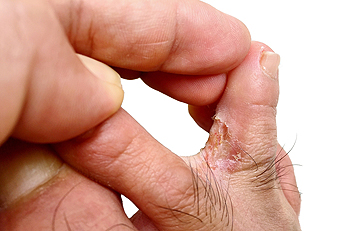
Tinea pedis is the medical term for a fungal infection that occurs on the feet, known as athlete’s foot. Since the fungus prefers warm, damp, dark environments, it can live in shoes, locker rooms, communal showers and swimming pool areas. Athlete’s foot is highly contagious—from both direct contact as well as indirect contact with a surface or object contaminated by the fungus. That is why it is vital to protect yourself in public spaces such as these with proper footwear. Avoid walking barefoot or sharing towels, shoes, or personal grooming utensils. Tinea pedis may spread to other parts of the body if left untreated. The symptoms of athlete’s foot include a dry, itchy, red, scaly rash that can appear on top of the foot, in between the toes, and even on the bottom of the feet. The skin may blister, crack or become inflamed, and a bacterial infection may develop in severe cases of athlete’s foot. If you contract athlete’s foot, the best course of action is to place yourself under the care of a podiatrist for proper, prompt, and permanent treatment. 

Athlete’s foot is an inconvenient condition that can be easily reduced with the proper treatment. If you have any concerns about your feet and ankles, contact one of our podiatrists from Foot Health Center of Merrimack Valley.  Our doctors will treat your foot and ankle needs.

Athlete’s Foot: The Sole Story

Athlete's foot, also known as tinea pedis, can be an extremely contagious foot infection. It is commonly contracted in public changing areas and bathrooms, dormitory style living quarters, around locker rooms and public swimming pools, or anywhere your feet often come into contact with other people.

Solutions to Combat Athlete’s Foot

  • Hydrate your feet by using lotion
  • Exfoliate
  • Buff off nails
  • Use of anti-fungal products
  • Examine your feet and visit your doctor if any suspicious blisters or cuts develop

Athlete’s foot can cause many irritating symptoms such as dry and flaking skin, itching, and redness. Some more severe symptoms can include bleeding and cracked skin, intense itching and burning, and even pain when walking. In the worst cases, Athlete’s foot can cause blistering as well. Speak to your podiatrist for a better understanding of the different causes of Athlete’s foot, as well as help in determining which treatment options are best for you.

If you have any questions please feel free to contact one of our offices located in North Andover, and Tewksbury, MA . We offer the newest diagnostic and treatment technologies for all your foot and ankle needs.

Read more about How to Deal with Athlete's Foot

Everyday Foot Care Can Promote Well Being

Many people take care of their body, but neglect proper foot care. This can lead to limited physical activity and possibly developing specific foot conditions. Everyday foot care starts with washing and drying the feet thoroughly, followed by applying a good moisturizer. Trimming the toenails properly is essential in possibly preventing ingrown toenails. It is beneficial to soak the feet in warm water for approximately 15 minutes, which may have a positive effect on the overall body. Performing frequent foot stretches can help to strengthen the feet and make it easier to complete daily activities. Many patients enjoy getting foot massages and pedicures, adding to the feeling of general well being. It is important to wear shoes that fit properly, in addition to wearing appropriate foot coverings while in public swimming areas and locker rooms. If you would like more information about tips on everyday foot care, please confer with a podiatrist.

Everyday foot care is very important to prevent infection and other foot ailments. If you need your feet checked, contact one of our podiatrists from Foot Health Center of Merrimack Valley. Our doctors can provide the care you need to keep you pain-free and on your feet.

Everyday Foot Care

Often, people take care of their bodies, face and hair more so than they do for their feet. But the feet are a very important aspect of our bodies, and one that we should pay more attention to. Without our feet, we would not be able to perform most daily tasks.

It is best to check your feet regularly to make sure there are no new bruises or cuts that you may not have noticed before. For dry feet, moisturizer can easily be a remedy and can be applied as often as necessary to the affected areas. Wearing shoes that fit well can also help you maintain good foot health, as well as making it easier to walk and do daily activities without the stress or pain of ill-fitting shoes, high heels, or even flip flops. Wearing clean socks with closed shoes is important to ensure that sweat and bacteria do not accumulate within the shoe. Clean socks help to prevent Athlete’s foot, fungi problems, bad odors, and can absorb sweat.

If you have any questions, please feel free to contact one of our offices located in North Andover, and Tewksbury, MA . We offer the newest diagnostic and treatment technologies for all your foot care needs.

Read more about Every Day Foot Care

Are You Suffering From Ingrown Toenails?

If left untreated, an ingrown toenail can lead to more serious concerns, such as an infection. Knowing proper nail care can help in the prevention of an ingrown toenail. Give us a call, and get treated!

Runners and Sesamoiditis

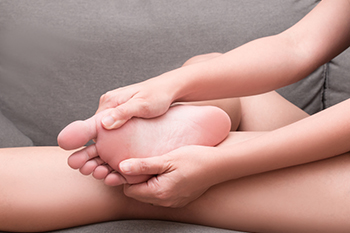
People who enjoy the sport of running may experience an uncomfortable foot condition known as sesamoiditis. It is defined as an inflammatory ailment that affects the ball of the foot. The pain is felt underneath the big toe where the two sesamoid bones are located. They are located inside of the large tendon that is found under the big toe, and provides power and leverage when pushing off while walking or running. Many people who are afflicted with sesamoiditis describe the feeling as stepping on marbles or pebbles. One of the leading causes of this condition is due to tightness in the toe flexors. Relief may be found when specific toe stretches are performed as this may alleviate some of the tightness. If you have pain in this part of your foot, it is suggested that you speak with a podiatrist who can properly diagnose this condition and effectively treat you.

Sesamoiditis is an unpleasant foot condition characterized by pain in the balls of the feet. If you think you’re struggling with sesamoiditis, contact one of our podiatrists of Foot Health Center of Merrimack Valley. Our doctors will treat your condition thoroughly and effectively.

Sesamoiditis

Sesamoiditis is a condition of the foot that affects the ball of the foot. It is more common in younger people than it is in older people. It can also occur with people who have begun a new exercise program, since their bodies are adjusting to the new physical regimen. Pain may also be caused by the inflammation of tendons surrounding the bones. It is important to seek treatment in its early stages because if you ignore the pain, this condition can lead to more serious problems such as severe irritation and bone fractures.

Causes of Sesamoiditis

  • Sudden increase in activity
  • Increase in physically strenuous movement without a proper warm up or build up
  • Foot structure: those who have smaller, bonier feet or those with a high arch may be more susceptible

Treatment for sesamoiditis is non-invasive and simple. Doctors may recommend a strict rest period where the patient forgoes most physical activity. This will help give the patient time to heal their feet through limited activity. For serious cases, it is best to speak with your doctor to determine a treatment option that will help your specific needs.

If you have any questions, please feel free to contact one of our offices located in North Andover, and Tewksbury, MA . We offer the newest diagnostic and treatment technologies for all your foot care needs.
Read more about Sesamoiditis

Poor Blood Circulation in Your Legs and Feet

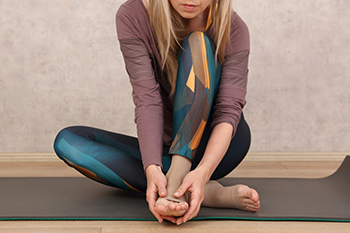
Circulatory problems in the legs and feet can occur simply from sitting or standing in the same position for a prolonged time or not moving your toes enough. Unfortunately, this can lead to blood clots or deep vein thrombosis – two possibly fatal conditions. Poor blood circulation can also result from thickened arteries caused by age, family history, diabetes, or high cholesterol. A healthy diet and regular exercise (including wiggling your toes and rotating your ankles daily) are the best things you can do to improve your chances of good blood flow to your lower extremities. Signs that you may be suffering from poor circulation can include numbness, tingling, pain in your feet, cold toes or fingers, and/or pale or blue-tinged skin. If you suspect you have poor circulation, speak to a podiatrist about solutions and treatment available.

While poor circulation itself isn’t a condition; it is a symptom of another underlying health condition you may have. If you have any concerns with poor circulation in your feet contact one of our podiatrists of Foot Health Center of Merrimack Valley. Our doctors will treat your foot and ankle needs.

Poor Circulation in the Feet

Peripheral artery disease (PAD) can potentially lead to poor circulation in the lower extremities. PAD is a condition that causes the blood vessels and arteries to narrow. In a linked condition called atherosclerosis, the arteries stiffen up due to a buildup of plaque in the arteries and blood vessels. These two conditions can cause a decrease in the amount of blood that flows to your extremities, therefore resulting in pain.

Symptoms

Some of the most common symptoms of poor circulation are:

  • Numbness
  • Tingling
  • Throbbing or stinging pain in limbs
  • Pain
  • Muscle Cramps

Treatment for poor circulation often depends on the underlying condition that causes it. Methods for treatment may include insulin for diabetes, special exercise programs, surgery for varicose veins, or compression socks for swollen legs.

As always, see a podiatrist as he or she will assist in finding a regimen that suits you. A podiatrist can also prescribe you any needed medication. 

If you have any questions, please feel free to contact one of our offices located in North Andover, and Tewksbury, MA . We offer the newest diagnostic and treatment technologies for all your foot care needs.
Read more about Causes Symptoms and Treatment for Poor Circulation in the Feet

Walking as Exercise During Pregnancy

Walking is one of the best ways to stay active during pregnancy. It is low impact, so it doesn’t endanger your knees and ankles, plus it’s good for the heart and lungs. It also can be a way to meet up with friends and share the experience. Anyone who has been inactive prior to pregnancy should check with a medical professional before introducing a walking program. In the beginning, it is recommended that you start with 15 minutes, 3 times a week. This can be increased over time to 30 minutes, 4 or more times a week. Be sure to wear comfortable walking shoes that have adequate support and cushioning. As you walk, place your heel on the ground and roll onto your toes, rather than placing a flat foot on the ground. During the second trimester, as the baby grows, pay special attention to your posture when walking. Keep your back straight and your eyes forward and swing your arms to help with balance. Your hips and ankles may become more stressed, especially as your center of gravity changes. By the third trimester, avoid steep hills or uneven pathways that may affect your balance, and be sure to walk with a buddy. If at any time you experience unusual foot or ankle pain or swelling, it is a good idea to consult with a podiatrist for an examination as soon as possible. 

Pregnant women with swollen feet can be treated with a variety of different methods that are readily available. For more information about other cures for swollen feet during pregnancy, consult with one of our podiatrists from Foot Health Center of Merrimack Valley. Our doctors will attend to all of your foot and ankle needs.

What Foot Problems Can Arise During Pregnancy?

One problem that can occur is overpronation, which occurs when the arch of the foot flattens and tends to roll inward.  This can cause pain and discomfort in your heels while you’re walking or even just standing up, trying to support your baby.  

Another problem is edema, or swelling in the extremities. This often affects the feet during pregnancy but tends to occur in the later stages. 

How Can I Keep My Feet Healthy During Pregnancy?

  • Wearing orthotics can provide extra support for the feet and help distribute weight evenly
  • Minimize the amount of time spent walking barefoot
  • Wear shoes with good arch support
  • Wear shoes that allow for good circulation to the feet
  • Elevate feet if you experience swelling
  • Massage your feet
  • Get regular, light exercise, such as walking, to promote blood circulation to the feet

If you have any questions, please feel free to contact one of our offices located in North Andover, and Tewksbury, MA . We offer the newest diagnostic and treatment technologies for all your foot care needs.

Read more about Foot Care for Pregnant Women

When Heel Pain Is Caused by Plantar Fasciitis

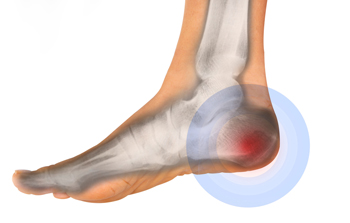
If you are experiencing pain on the bottom of your heel, there is a good chance that you may have a condition known as plantar fasciitis. Plantar fasciitis is an irritation and inflammation of the plantar fascia, which is a connective tissue that links the heel with the toes. Because the plantar fascia is located on the sole of the feet, it helps absorb the body’s weight, and can become overly stressed during walking, running, and jumping movements. Plantar fasciitis is the most common cause of heel pain and can make it difficult to walk. Common risk factors for plantar fasciitis include making certain repetitive movements (as in running) obesity, sudden weight gain (as in pregnancy), or by having flat feet or high arches or a tightened Achilles tendon. If you believe you have plantar fasciitis, make an appointment with a podiatrist to be properly diagnosed and to receive prompt and proper treatment.

Plantar fasciitis can be very painful and inconvenient. If you are experiencing heel pain or symptoms of plantar fasciitis, contact one of our podiatrists  from Foot Health Center of Merrimack Valley. Our doctors can provide the care you need to keep you pain-free and on your feet.

What Is Plantar Fasciitis?

Plantar fasciitis is the inflammation of the thick band of tissue that runs along the bottom of your foot, known as the plantar fascia, and causes mild to severe heel pain.

What Causes Plantar Fasciitis?

  • Excessive running
  • Non-supportive shoes
  • Overpronation
  • Repeated stretching and tearing of the plantar fascia

How Can It Be Treated?

  • Conservative measures – anti-inflammatories, ice packs, stretching exercises, physical therapy, orthotic devices
  • Shockwave therapy – sound waves are sent to the affected area to facilitate healing and are usually used for chronic cases of plantar fasciitis
  • Surgery – usually only used as a last resort when all else fails. The plantar fascia can be surgically detached from the heel

While very treatable, plantar fasciitis is definitely not something that should be ignored. Especially in severe cases, speaking to your doctor right away is highly recommended to avoid complications and severe heel pain. Your podiatrist can work with you to provide the appropriate treatment options tailored to your condition.

If you have any questions, please feel free to contact one of our offices located in North Andover, and Tewksbury, MA . We offer the newest diagnostic and treatment technologies for all your foot care needs.
Read more about Plantar Fasciitis

Do Your Child's Feet Hurt?

Have your child's feet been examined lately? Healthy feet are happy feet. If your child is complaining of foot pain, it may be a sign of underlying problems.

scroll to top