Who Is Prone to Developing Neuropathy?

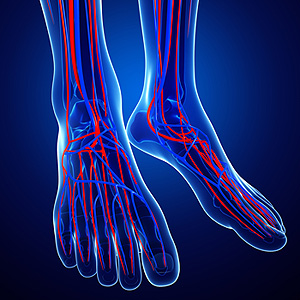
The medical condition that is known as neuropathy can be a common ailment among diabetic patients. It can develop as a result of excessively high sugar levels in the bloodstream and affects more than fifty percent of people who are diabetic. The most common symptoms are tingling sensations, or the feet may feel numb. This may lead to the inability to feel cuts, bruises, or wounds that develop on the feet, and this can cause significant complications when left untreated. There may be existing medical conditions that can cause neuropathy. These can include elevated cholesterol levels and high blood pressure. If you are experiencing numbness or pain in your feet, it is strongly suggested that you speak with a podiatrist who can properly diagnose and treat neuropathy.

Neuropathy

Neuropathy can be a potentially serious condition, especially if it is left undiagnosed. If you have any concerns that you may be experiencing nerve loss in your feet, consult with one of our podiatrists from Foot Health Center of Merrimack Valley. Our doctors will assess your condition and provide you with quality foot and ankle treatment for neuropathy.

What Is Neuropathy?

Neuropathy is a condition that leads to damage to the nerves in the body. Peripheral neuropathy, or neuropathy that affects your peripheral nervous system, usually occurs in the feet. Neuropathy can be triggered by a number of different causes. Such causes include diabetes, infections, cancers, disorders, and toxic substances.

Symptoms of Neuropathy Include:

  • Numbness
  • Sensation loss
  • Prickling and tingling sensations
  • Throbbing, freezing, burning pains
  • Muscle weakness

Those with diabetes are at serious risk due to being unable to feel an ulcer on their feet. Diabetics usually also suffer from poor blood circulation. This can lead to the wound not healing, infections occurring, and the limb may have to be amputated.

Treatment

To treat neuropathy in the foot, podiatrists will first diagnose the cause of the neuropathy. Figuring out the underlying cause of the neuropathy will allow the podiatrist to prescribe the best treatment, whether it be caused by diabetes, toxic substance exposure, infection, etc. If the nerve has not died, then it’s possible that sensation may be able to return to the foot.

Pain medication may be issued for pain. Electrical nerve stimulation can be used to stimulate nerves. If the neuropathy is caused from pressure on the nerves, then surgery may be necessary.

If you have any questions, please feel free to contact one of our offices located in North Andover, and Tewksbury, MA . We offer the newest diagnostic and treatment technologies for all your foot care needs.

Read more about Neuropathy

Washing and Moisturizing the Feet

Many people understand the importance of maintaining proper care for their hair and skin, but often neglect their feet. This may lead to developing fungal or bacterial infections, cracked heels, and other foot conditions. Patients can notice how good their feet can feel when they are soaked in warm water at the end of the day, dried thoroughly, followed by applying a moisturizer. Exfoliation can be effective in removing existing dry skin, and this is accomplished by using a pumice stone. Environmental damage may be prevented when comfortable socks and shoes are frequently worn, and it may also help to limit wearing high heels. If you would like additional information about how to perform daily foot care routines, it is suggested that you consult with a podiatrist.

Everyday foot care is very important to prevent infection and other foot ailments. If you need your feet checked, contact one of our podiatrists from Foot Health Center of Merrimack Valley. Our doctors can provide the care you need to keep you pain-free and on your feet.

Everyday Foot Care

Often, people take care of their bodies, face and hair more so than they do for their feet. But the feet are a very important aspect of our bodies, and one that we should pay more attention to. Without our feet, we would not be able to perform most daily tasks.

It is best to check your feet regularly to make sure there are no new bruises or cuts that you may not have noticed before. For dry feet, moisturizer can easily be a remedy and can be applied as often as necessary to the affected areas. Wearing shoes that fit well can also help you maintain good foot health, as well as making it easier to walk and do daily activities without the stress or pain of ill-fitting shoes, high heels, or even flip flops. Wearing clean socks with closed shoes is important to ensure that sweat and bacteria do not accumulate within the shoe. Clean socks help to prevent Athlete’s foot, fungi problems, bad odors, and can absorb sweat.

If you have any questions, please feel free to contact one of our offices located in North Andover, and Tewksbury, MA . We offer the newest diagnostic and treatment technologies for all your foot care needs.

Read more about Every Day Foot Care

Two Types of Toe Fractures

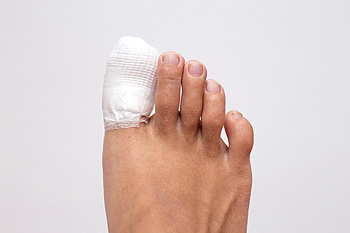
A broken toe is often confirmed by having an X-ray taken. This type of fracture can happen from dropping a heavy object on the toe, or from stubbing the toe against a piece of furniture. There are two categories that the majority of toe fractures fall into, stress or traumatic. A stress fracture can gradually develop, and this typically occurs from repetitive overuse, which may come from running. A traumatic fracture is generally the result of a sudden injury, and can cause severe pain and discomfort. An effective healing process may include buddy taping. This is accomplished by taping the affected toe to the toe next to it, and this is often helpful in providing the necessary support as the affected toe heals. If you have a broken toe, please consult with a podiatrist who can treat this condition.

Broken toes may cause a lot of pain and should be treated as soon as possible. If you have any concerns about your feet, contact one of our podiatrists from Foot Health Center of Merrimack Valley. Our doctors will treat your foot and ankle needs.

What Is a Broken Toe?

A broken toe occurs when one or more of the toe bones of the foot are broken after an injury. Injuries such as stubbing your toe or dropping a heavy object on it may cause a toe fracture.

Symptoms of a Broken Toe

  • Swelling
  • Pain (with/without wearing shoes)
  • Stiffness
  • Nail Injury

Although the injured toe should be monitored daily, it is especially important to have a podiatrist look at your toe if you have severe symptoms. Some of these symptoms include worsening or new pain that is not relieved with medication, sores, redness, or open wounds near the toe.

If you have any questions please feel free to contact one of our offices located in North Andover, and Tewksbury, MA . We offer the newest diagnostic tools and technology to treat your foot and ankle needs.

Read more about What to Know About a Broken Toe

Why Does My Heel Hurt?

Heel pain is a common issue that can affect the underside, back, or side of the heel. Plantar fasciitis is the most common source of pain that occurs under the heel, and Achilles tendonitis is the most common source of pain at the back of the heel. Other causes of heel pain include arthritis, infection, trauma, or neurological issues. Heel bursitis, heel spurs, tarsal tunnel syndrome, and stress fractures can result in heel pain as well. Because heel pain often gradually becomes worse, it is important to consult with a podiatrist to get a proper diagnosis and treatment.

Many people suffer from bouts of heel pain. For more information, contact one of our podiatrists of Foot Health Center of Merrimack Valley. Our doctors can provide the care you need to keep you pain-free and on your feet.

Causes of Heel Pain

Heel pain is often associated with plantar fasciitis. The plantar fascia is a band of tissues that extends along the bottom of the foot. A rip or tear in this ligament can cause inflammation of the tissue.

Achilles tendonitis is another cause of heel pain. Inflammation of the Achilles tendon will cause pain from fractures and muscle tearing. Lack of flexibility is also another symptom.

Heel spurs are another cause of pain. When the tissues of the plantar fascia undergo a great deal of stress, it can lead to ligament separation from the heel bone, causing heel spurs.

Why Might Heel Pain Occur?

  • Wearing ill-fitting shoes                
  • Wearing non-supportive shoes
  • Weight change           
  • Excessive running

Treatments

Heel pain should be treated as soon as possible for immediate results. Keeping your feet in a stress-free environment will help. If you suffer from Achilles tendonitis or plantar fasciitis, applying ice will reduce the swelling. Stretching before an exercise like running will help the muscles. Using all these tips will help make heel pain a condition of the past.

If you have any questions, please feel free to contact one of our offices located in North Andover, and Tewksbury, MA . We offer the newest diagnostic and treatment technologies for all your foot care needs.

Read more about Heel Pain

Why Live with Pain and Numbness in Your Feet?

Suffering from this type of pain? You may have the foot condition known as Morton's neuroma. Morton's neuroma may develop as a result of ill-fitting footwear and existing foot deformities. We can help.

All About Metatarsal Stress Fractures

The metatarsal bones are the foot bones that connect the toes to the ankles, and stress fractures occur as small breaks in the bones due to repeated stress. Those who have increased their activity level, put pressure on the feet, or have a bone condition are at a higher risk for developing a stress fracture. Generally, the pain from a metatarsal stress fracture starts over a wide area of the foot during activity, but goes away with rest. Left untreated, the pain will be present all of the time. If you are experiencing this kind of pain, it is important to consult with a podiatrist. X-rays or a bone scan may be needed to make a proper diagnosis, and orthotics or a cast may be necessary. A podiatrist will also be able to help determine when it is safe to go back to physical activity. 

Activities where too much pressure is put on the feet can cause stress fractures. To learn more, contact one of our podiatrists from Foot Health Center of Merrimack Valley. Our doctors can provide the care you need to keep your pain free and on your feet.

Dealing with Stress Fractures of the Foot and Ankle

Stress fractures occur in the foot and ankle when muscles in these areas weaken from too much or too little use.  The feet and ankles then lose support when walking or running from the impact of the ground. Since there is no protection, the bones receive the full impact of each step. Stress on the feet can cause cracks to form in the bones, thus creating stress fractures.

What Are Stress Fractures?

Stress fractures occur frequently in individuals whose daily activities cause great impact on the feet and ankles. Stress factors are most common among:

  • Runners                                
  • People affected with Osteoporosis
  • Tennis or basketball players
  • Gymnasts
  • High impact workouts

Symptoms

Pain from the fractures occur in the area of the fractures and can be constant or intermittent. It will often cause sharp or dull pain with swelling and tenderness. Engaging in any kind of activity which involves high impact will aggravate pain.

If you have any questions please contact one of our offices located in North Andover, and Tewksbury, MA . We offer the newest diagnostic and treatment technologies for all your foot and ankle needs.

Read more about Stress Fractures of the Foot and Ankle

What Is an Anterior Ankle Impingement?

An anterior ankle impingement, which is also known as “footballer’s ankle” or “athlete’s ankle,” results from bone spurs that form on the front bones of the ankle. This injury is most common amongst athletes in sports that involve a lot of kicking. While soccer players are the most commonly affected athletes, football players, volleyball players, and ballet dancers are also at risk. An anterior ankle impingement is often indicated by chronic pain in the front of the ankle while playing sports and while bending the ankle.  Swelling will also occur in the front of the ankle after athletic activity. If you believe that you are suffering from an anterior ankle impingement, consult with a podiatrist for a proper diagnosis and treatment.

Ankle and foot injuries are common among athletes and in many sports. They can be caused by several problems and may be potentially serious. If you are feeling pain or think you were injured in a sporting event or when exercising, consult with one of our podiatrists from Foot Health Center of Merrimack Valley. Our doctors will assess your condition and provide you with quality foot and ankle treatment.

Common Injuries

The most common injuries that occur in sporting activities include:

  • Achilles Tendonitis
  • Achilles Tendon Rupture
  • Ankle Sprains
  • Broken Foot
  • Plantar Fasciitis
  • Stress Fractures
  • Turf Toe

Symptoms

Symptoms vary depending upon the injury and in some cases, there may be no symptoms at all. However, in most cases, some form of symptom is experienced. Pain, aching, burning, bruising, tenderness, tightness or stiffness, sensation loss, difficulty moving, and swelling are the most common symptoms.

Treatment

Just as symptoms vary depending upon the injury, so do treatment options. A common treatment method is known as the RICE method. This method involves rest, applying ice, compression and elevating the afflicted foot or ankle. If the injury appears to be more serious, surgery might be required, such as arthroscopic or reconstructive surgery. Lastly, rehabilitation or therapy might be needed to gain full functionality in the afflicted area. Any discomfort experienced by an athlete must be evaluated by a licensed, reputable medical professional.  

If you have any questions please contact one of our offices located in North Andover, and Tewksbury, MA . We offer the newest diagnostic and treatment technologies for all your foot and ankle needs.

Read more about Sports Related Foot and Ankle Injuries

The Definition of a Blister

Blisters on the feet can typically develop from friction. This can occur as a result of wearing shoes that do not fit correctly, or from excessive walking and hiking. A blister is defined as a small pocket of fluid that forms to protect the damaged skin. When the skin has repaired itself, the blister will gradually drain. Some patients find it helpful to put powder or cornstarch inside their shoes and socks, which may absorb excess moisture. If a blister on your foot has developed, it is important that you give it immediate attention to protect it, as this can be beneficial in preventing an infection from occurring. This can be accomplished by covering it with a bandage until it has drained naturally. If you get blisters on your feet, It is suggested that you confer with a podiatrist, who can guide you toward prevention strategies.

Blisters are prone to making everyday activities extremely uncomfortable. If your feet are hurting, contact one of our podiatrists of Foot Health Center of Merrimack Valley. Our doctors can provide the care you need to keep you pain-free and on your feet.

Foot Blisters

Foot blisters develop as a result of constantly wearing tight or ill-fitting footwear. This happens due to the constant rubbing from the shoe, which can often lead to pain.

What Are Foot Blisters?

A foot blister is a small fluid-filled pocket that forms on the upper-most layer of the skin. Blisters are filled with clear fluid and can lead to blood drainage or pus if the area becomes infected.

How Do Blisters Form?

Blisters on the feet are often the result of constant friction of skin and material, usually by shoe rubbing. Walking in sandals, boots, or shoes that don’t fit properly for long periods of time can result in a blister. Having consistent foot moisture and humidity can easily lead to blister formation.

Prevention & Treatment

It is important to properly care for the affected area in order to prevent infection and ease the pain. Do not lance the blister and use a Band-Aid to provide pain relief. Also, be sure to keep your feet dry and wear proper fitting shoes. If you see blood or pus in a blister, seek assistance from a podiatrist.

If you have any questions, please feel free to contact one of our offices located in North Andover, and Tewksbury, MA . We offer the newest diagnostic and treatment technologies for all your foot care needs.

Read more about Blisters

Why Do I Have an Ingrown Toenail?

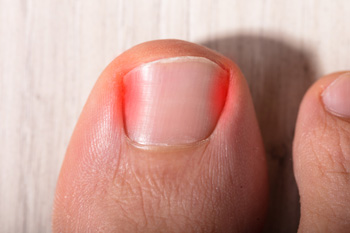
If you’ve noticed your toenail has grown into the surrounding skin of your nail, it’s very possible that you may be dealing with an ingrown toenail. Ingrown toenails can be uncomfortable and often painful if left untreated. You may be wondering how did this happen? There are a few reasons why an ingrown toenail may develop. Common causes may include trauma to the affected toenail, such as stubbing the toe, wearing shoes that are too tight, cutting your toenails too short, and cutting your toenails on an angle. To ensure that an infection does not develop, please seek the care of a podiatrist to help you with treatment.

Ingrown toenails can become painful if they are not treated properly. For more information about ingrown toenails, contact one of our podiatrists of Foot Health Center of Merrimack Valley. Our doctors can provide the care you need to keep you pain-free and on your feet.

Ingrown Toenails

Ingrown toenails occur when a toenail grows sideways into the bed of the nail, causing pain, swelling, and possibly infection.

Causes

  • Bacterial infections
  • Improper nail cutting such as cutting it too short or not straight across
  • Trauma to the toe, such as stubbing, which causes the nail to grow back irregularly
  • Ill-fitting shoes that bunch the toes too close together
  • Genetic predisposition

Prevention

Wearing proper fitting shoes and using proper cutting techniques will also help decrease your risk of developing ingrown toenails.

Treatment

Ingrown toenails are a very treatable foot condition. In minor cases, soaking the affected area in salt or antibacterial soaps will not only help with the ingrown nail itself, but also help prevent any infections from occurring. In more severe cases, surgery is an option. In either case, speaking to your podiatrist about this condition will help you get a better understanding of specific treatment options that are right for you.

If you have any questions, please feel free to contact one of our offices located in North Andover, and Tewksbury, MA . We offer the newest diagnostic and treatment technologies for all your foot care needs.

Read more about Ingrown Toenails

Plantar Warts Can Be Treated!

Plantar warts are small growths that develop on parts of the feet that bear weight. They're typically found on the bottom of the foot. Don't live with plantar warts, and call us today!

scroll to top