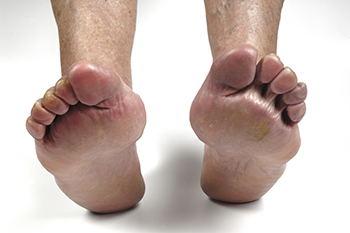
Limb salvage is a procedure that involves saving a lower extremity from amputation. In podiatry, limb amputation often occurs as a result of diabetes. The fundamental goal of limb salvage is to restore and maintain stability and movement of the affected lower extremity.
The procedure typically involves removing the diseased tissue and a small portion of the surrounding healthy tissue, as well as the removal of any affected bone if necessary. If bone is removed it is then replaced with prostheses, or synthetic metal rods or plates, or grafts from either the patient’s body or a donor. Limb salvage is typically the preferred choice of procedure over amputation, as the procedure preserves both the patient’s appearance and allows for the greatest possible degree of function in the affected limb.
Upon diagnosis and determining that limb salvage is the appropriate treatment, the podiatrist may enlist the help of a physical and/or occupational therapist to prepare the patient for surgery by introducing various muscle-strengthening, walking, and range of motion exercises. Such exercises may be continued as rehabilitation post-procedure.
Many diabetic foot ulcers develop because nerve damage reduces feeling in the feet. This condition, known as neuropathy, makes it harder to notice pain, irritation, or injury. As a result, a person may continue putting pressure on an ulcer without realizing it. Offloading is an important part of treating diabetic foot ulcers. Offloading means reducing pressure on the area of the foot where an ulcer has developed. When too much pressure continues to affect a wound while walking, healing becomes much more difficult. A podiatrist can evaluate the location and severity of the wound and determine the most effective offloading approach to improve healing.
Several offloading methods are available depending on the ulcer's location and the patient's needs. A knee-high walking device is often used because it helps spread weight more evenly across the foot. Some devices are designed so they cannot be removed by the patient, which helps ensure consistent protection of the ulcer. Removable devices are another option for patients who cannot tolerate a non-removable device. Certain ulcers on the toes, heel, or other parts of the foot require different forms of pressure relief. A podiatrist carefully selects the most appropriate device based on the wound, foot structure, and overall health of the patient.
Successful treatment of diabetic foot ulcers involves more than covering the wound. Reducing pressure helps improve blood flow to the area and creates a better environment for healing. A podiatrist monitors the ulcer regularly and adjusts treatment as healing progresses. In some cases, surgery becomes necessary when non-surgical offloading methods do not provide enough relief from pressure. Early treatment is important because untreated ulcers can become infected and lead to serious complications. Proper offloading remains one of the most effective ways to promote healing and reduce the risk of additional tissue damage. If you have developed diabetic foot ulcers, it is strongly suggested that you are under the care of a podiatrist who can help you to manage this serious condition.
Limb salvage can be an effective way in preventing the need for limb amputation. If you have diabetes, cancer, or any other condition that could lead to foot amputation if left unchecked, consult with one of our podiatrists from Foot Health Center of Merrimack Valley. Our doctors will assess your condition and provide you with quality foot and ankle treatment.
What Is Limb Salvage?
Limb salvage is the attempt of saving a limb, such as the foot from amputation. Podiatrists also try to make sure that there is enough function in the foot after the salvage that it is still usable. Diabetes is the number one cause of non-traumatic amputations in the United States. Those with diabetes experience poor blood circulation, which prevents proper healing of an ulcer. If the ulcer is left uncheck, it could become infected, which could result in the need for amputation.
However, there are other causes as well, such as cancer and traumatic injury. Links between higher mortality rates and amputation have been found. This translates into higher healthcare costs, and a reduced quality of life and mobility for amputees. Podiatrists have attempted to increase the prevalence of limb salvage in an attempt to solve these issues.
Diagnosis and Treatment
Limb salvage teams have grown in recent years that utilize a number of different treatments to save the infected limb. This includes podiatrists that specialize in wound care, rehabilitation, orthotics, and surgery. Through a combination of these methods, limb salvage has been found to be an effective treatment for infected limbs, and as an alternative to amputation. Podiatrists will first evaluate the potential for limb salvage and determine if the limb can be saved or must be amputated.
If you have any questions, please feel free to contact one of our offices located in North Andover, and Tewksbury, MA. We offer the newest diagnostic and treatment technologies for all your foot care needs.
Gout is a painful, inflammatory form of arthritis. Those affected will typically feel an intense stiffness in the joints of their feet, particularly in the big toe. Schedule a visit to learn about how gout can be managed and treated.
The human foot has 26 different bones, and the foot is divided into three parts: the hindfoot, the midfoot, and the forefoot. Each section of the foot is composed of a different amount of bones. For instance, the forefoot is made up of 19 bones. The midfoot is composed of five smaller bones called the navicular, cuboid, and three cuneiform bones. Lastly, the hindfoot is made up of only the talus and the calcaneus. The feet tend to be vulnerable to slipping and twisting; consequently, fractured bones within the foot are common. When a bone gets crushed, bent, twisted, or stretched it may become broken.
Many foot fractures occur through an accident or trauma. More specifically, common causes for broken feet are car accidents, falls, missteps, or overuse. If you have a broken ankle or foot, you may have one or more of the following symptoms: throbbing pain, swelling, bruising, tenderness, deformities, and difficulty walking.
There are some factors that may put you at a higher risk of developing a broken foot. People who participate in high-impact sports are more likely to develop foot fractures because of the stresses, direct blows, and twisting injuries involved in gameplay. Additionally, those who suddenly increase their activity level are more likely to suffer a stress fracture.
Unfortunately, there are different complications that may arise because of a foot fracture. For instance, arthritis may be caused by fractures that extend into the joints. Bone infections are also possible in open fractures due to the bone being exposed to bacteria. However, there are ways you can help prevent yourself from breaking your foot. One way to avoid fractures is to wear proper footwear. If you plan on going on a run, you should wear running shoes. You should also replace your shoes if you notice that they are becoming worn out. For runners, it is best to replace shoes every 300 to 400 miles.
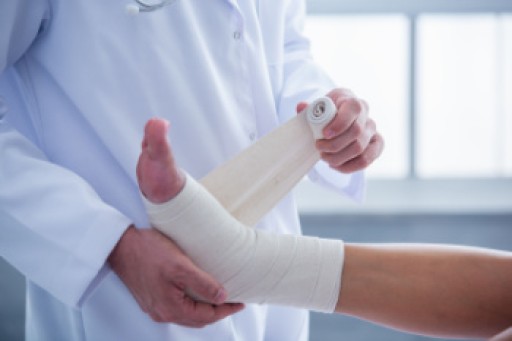
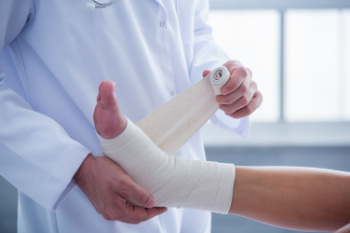
Treatment for foot fractures usually consists of rest, ice, elevation, and compression (RICE). If you plan on wrapping your foot, try not to wrap it too tightly because doing so may cut off blood supply in the foot. You should also avoid walking on the fractured foot.
If you suspect you have a broken foot, you should see your podiatrist right away. It is important that you have someone bring you to your doctor, since driving with a broken foot can be dangerous. You should especially seek urgent care if you are experiencing numbness, pain, or deformities in your foot.
A broken foot is a fracture that occurs when one or more bones in the foot crack or break due to excessive force, trauma, or repetitive stress. The foot contains a complex structure of bones that support movement and balance, making it susceptible to injury during high-impact activities or accidents. In contrast, a sprained foot involves damage to the ligaments, which are the soft tissues that connect bones. While both injuries may present with similar discomfort, the underlying damage is different, which affects treatment and recovery expectations.
Symptoms of a broken foot often include sharp and immediate pain, swelling, bruising, and difficulty bearing weight. Some individuals may experience a visible deformity or hear a snapping sound at the time of injury. Pain usually worsens with movement and does not improve with rest. A sprained foot may also cause swelling and discomfort, but it may allow some level of movement and weight bearing. Tenderness and instability may be present, but the structural integrity of the bone remains intact. Distinguishing between these conditions is important for proper care.
Risk factors for a broken foot include participation in high-impact sports, sudden trauma such as falls, and wearing footwear that does not protect the foot. Environmental hazards like uneven ground or slippery surfaces can also increase risk. Individuals with reduced bone strength or a history of stress injuries may be more vulnerable. Recovery time for a broken foot varies based on severity, but most fractures require several weeks of immobilization followed by gradual rehabilitation. In comparison, a sprain may heal more quickly depending on the extent of ligament damage.
It is important to understand that an accurate diagnosis is essential when dealing with foot injuries. Misidentifying a fracture as a sprain can delay healing and lead to complications. Prompt evaluation helps ensure proper treatment and recovery. If you think you may have broken your foot or have persistent pain after an injury, it is strongly suggested you consult a podiatrist for an accurate diagnosis and appropriate treatment plan.
A broken foot requires immediate medical attention and treatment. If you need your feet checked, contact one of our podiatrists from Foot Health Center of Merrimack Valley. Our doctors can provide the care you need to keep you pain-free and on your feet.
Broken Foot Causes, Symptoms, and Treatment
A broken foot is caused by one of the bones in the foot typically breaking when bended, crushed, or stretched beyond its natural capabilities. Usually the location of the fracture indicates how the break occurred, whether it was through an object, fall, or any other type of injury.
Common Symptoms of Broken Feet:
Bruising
Pain
Redness
Swelling
Blue in color
Numbness
Cold
Misshapen
Cuts
Deformities
Those that suspect they have a broken foot shoot seek urgent medical attention where a medical professional could diagnose the severity.
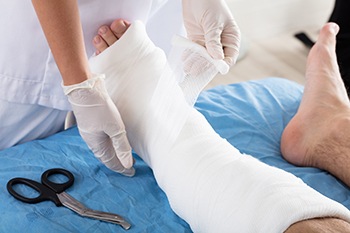
Treatment for broken bones varies depending on the cause, severity and location. Some will require the use of splints, casts or crutches while others could even involve surgery to repair the broken bones. Personal care includes the use of ice and keeping the foot stabilized and elevated.
If you have any questions, please feel free to contact one of our offices located in North Andover, and Tewksbury, MA. We offer the newest diagnostic and treatment technologies for all your foot care needs.
Elderly Americans are very susceptible to falls as they get older. Everyone experiences decreases in flexibility, balance, strength, and the senses as they age. This correlates to some eye-opening statistics. 1 in 4 Americans aged 65 and older fall each year. An elderly American is being treated for a fall in an emergency room every 11 seconds. In light of these striking statistics, one can see the importance of taking steps to prevent falls.
Finding an exercise program for the elderly is an excellent way to reduce the likelihood of falls. Look for an exercise program that improves strength and balance. Elderly people who live a more sedentary lifestyle, with little physical activity, are at an increased risk of falling. Wearing well-fitted footwear that provides good foot support and cushion will help prevent falls from poorly fitted shoes. Talking to a podiatrist about your susceptibility to falls and about inspecting your prescriptions will help to avoid any medication that could make falls more likely. Due to a decline in the senses among the elderly, having your eyes and hearing checked is recommended.
Around half of all falls occur in the household. Removing tripping hazards in the home and making it more accommodating to older persons can significantly reduce falls. Some notable household changes include increasing lighting around the house, installing grab bars in the shower and bathroom, and making sure the floor is clear of clutter. Other smart options include installing a shower chair, using rubber-bottomed rugs, and placing railings on both sides of stairwells.
Finally, discuss with a doctor and your family about your fear of falling. This will help to increase awareness among the population on the need for fall prevention. A lack of awareness on the matter, and a downplaying of importance are what increase the risks of falling. Following these tips can help to reduce the risk for yourself and your loved ones.
Falls outside the home are a common concern, especially in busy public settings like stores, crowded venues, parks, playgrounds, and public bathrooms. These environments may have uneven surfaces, slippery floors, sudden obstacles, and distractions that can increase the risk of losing balance. A fall may appear as a sudden slip, trip, or misstep, often leading to pain, swelling, or injury in the feet and ankles. This can happen when footing is unstable, when attention is divided, or when underlying foot conditions affect stability. People with weak arches, poor alignment, or reduced sensation may be more vulnerable.
After a fall, people may notice lingering discomfort or a fear of walking in similar spaces. This type of fear can limit activity and reduce confidence in daily movement. A podiatrist can evaluate foot structure, assess gait, and identify risk factors that contribute to instability. This foot doctor may perform balance testing and check joint motion to better understand how the feet interact with the ground. Based on findings, they can recommend supportive devices, prescribe custom orthotics, or suggest treatments that improve alignment and stability.
In some cases, targeted therapy or bracing may be advised to strengthen support and prevent repeat injuries. Early evaluation allows problems to be addressed before they worsen or lead to more serious complications. With proper care, patients can regain confidence and move more safely through busy public environments. Follow-up visits can track progress and guide adjustments in treatment. Education about proper footwear and awareness of surroundings may also reduce risk. Attention to walking surfaces, lighting conditions, and pace of movement can further support safety in active environments. If you have fallen and have injured your foot or ankle, it is suggested that you consult a podiatrist for additional falls prevention tips, both in and outside of the home.
Preventing falls among the elderly is very important. If you are older and have fallen or fear that you are prone to falling, consult with one of our podiatrists from Foot Health Center of Merrimack Valley. Our doctors will assess your condition and provide you with quality advice and care.
Every 11 seconds, an elderly American is being treated in an emergency room for a fall related injury. Falls are the leading cause of head and hip injuries for those 65 and older. Due to decreases in strength, balance, senses, and lack of awareness, elderly persons are very susceptible to falling. Thankfully, there are a number of things older persons can do to prevent falls.
How to Prevent Falls
Some effective methods that older persons can do to prevent falls include:
Enrolling in strength and balance exercise program to increase balance and strength
Periodically having your sight and hearing checked
Discuss any medications you have with a doctor to see if it increases the risk of falling
Clearing the house of falling hazards and installing devices like grab bars and railings
Utilizing a walker or cane
Wearing shoes that provide good support and cushioning
Talking to family members about falling and increasing awareness
Falling can be a traumatic and embarrassing experience for elderly persons; this can make them less willing to leave the house, and less willing to talk to someone about their fears of falling. Doing such things, however, will increase the likelihood of tripping or losing one’s balance. Knowing the causes of falling and how to prevent them is the best way to mitigate the risk of serious injury.
If you have any questions, please feel free to contact one of our offices located in North Andover, and Tewksbury, MA. We offer the newest diagnostic and treatment technologies for all your foot care needs.
Rheumatoid Arthritis is a chronic progressive disease that attacks several joints throughout the body. It is an autoimmune disease in which the body’s immune system mistakenly attacks the joints. As a result, the tissue inside the joints, called synovium, starts to thicken and causes pain around the joints. The synovium is responsible for creating a fluid that lubricates the joints to help them move. Approximately 1.5 million people in the United States have Rheumatoid Arthritis. Women are almost three times as likely to have RA compared to men, and it’s disease usually begins between the ages of 30 and 60. People who have a genetic history of RA are more likely to develop the disease.
Symptoms of RA may include the following sensations in the joints: pain, tenderness, swelling, redness, warmth, stiffness, and loss of range. Swollen joints are a very common symptom for those with the disease. At times, it may be minimal, but it may also be very apparent. Another typical symptom is joint stiffness. Doctors will often use the direction of morning stiffness to measure the severity of a patient’s joint inflammation. Other RA symptoms include limping, anemia, fever, and fatigue.
To diagnose RA, your podiatrist will typically request x-rays to see how much damage there is in the joints. Blood tests may also be performed to show if there are any signs of anemia, or antibodies such as the rheumatoid factor. If you have previously been diagnosed with RA, you should know the disease may spread to your feet and ankles.
There are many non-surgical options that can be used to treat this ailment. Some of these options include physical therapy, foot massages, orthotics, bracing, supportive shoes, and steroid injections. Physical therapy is useful because it will help stretch and strengthen the joints in both the foot and ankle to improve joint function. Massages can help improve blood circulation which will be good for the feet. Choosing proper footwear will allow you to walk with comfortability if you are a sufferer from RA. Lastly, bracing will help stabilize the foot joints, limit deformities and decrease pain.
In severe cases, surgery may be a treatment option that should be considered. For those who cannot walk without experiencing pain and those whose deformities can not be managed with braces, surgery should be considered. Your podiatrist will recommend surgery if he or she believes it will improve your foot biomechanics.
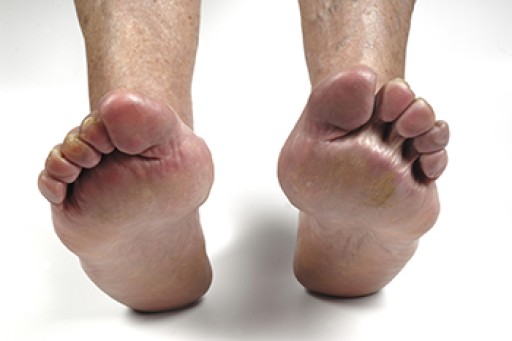
Rheumatoid arthritis is an inflammatory condition that can affect the small joints of the feet, often causing pain, swelling, warmth, and morning stiffness that lasts longer than expected. Many people first notice discomfort in the front of the feet or toes, making walking uncomfortable, especially after rest. As the condition progresses, joint damage may lead to shifting toe position, reduced stability, and pressure points that make wearing shoes difficult. Because this condition affects the immune system, symptoms may involve both feet in a similar pattern rather than appearing from a single injury. A podiatrist can evaluate joint changes, walking mechanics, and areas of abnormal pressure while helping to manage discomfort and protect foot function. Early recognition matters because untreated inflammation can lead to lasting structural changes. If you are experiencing persistent foot swelling, stiffness, or unexplained joint pain, it is strongly suggested that you visit a podiatrist for an evaluation.
Because RA affects more than just your joints, including the joints in your feet and ankles, it is important to seek early diagnosis from your podiatrist if you feel like the pain in your feet might be caused by RA. For more information, contact one of our podiatrists of Foot Health Center of Merrimack Valley. Our doctors will assist you with all of your podiatric concerns.
What Is Rheumatoid Arthritis?
Rheumatoid Arthritis (RA) is an autoimmune disorder in which the body’s own immune system attacks the membranes surrounding the joints. Inflammation of the lining and eventually the destruction of the joint’s cartilage and bone occur, causing severe pain and immobility.
Rheumatoid Arthritis of the Feet
Although RA usually attacks multiple bones and joints throughout the entire body, almost 90 percent of cases result in pain in the foot or ankle area.
Symptoms
Swelling and pain in the feet
Stiffness in the feet
Pain on the ball or sole of feet
Joint shift and deformation
Diagnosis
Quick diagnosis of RA in the feet is important so that the podiatrist can treat the area effectively. Your doctor will ask you about your medical history, occupation, and lifestyle to determine the origin of the condition. Rheumatoid Factor tests help to determine if someone is affected by the disease.
If you have any questions, please feel free to contact one of our offices located in North Andover, and Tewksbury, MA. We offer the newest diagnostic and treatment technologies for all your foot care needs.
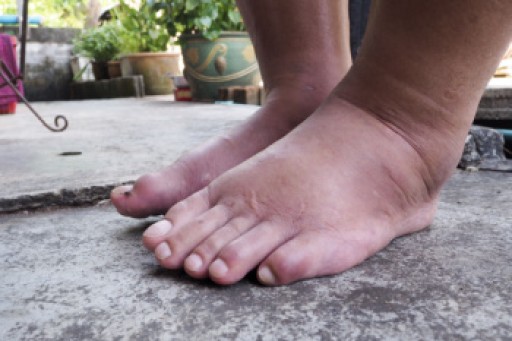
There are many reasons why patients experience swelling of the feet. It is rather common and may be a side effect of pregnancy or from sitting and standing for most of the day. Gravity could also play a role in the development of swollen feet. It is known that the weight of blood volume in our bodies is exerted on the veins in the legs and feet. The veins may not work as efficiently during the aging process, and this could make the blood flow backward causing swollen feet. Relief may be found when obese patients lose weight, and it may help to engage in compression therapy by wearing compression socks, stockings, or athletic sleeves. This method can release pressure on the feet and ankles which may help to reduce existing swelling. There are patients who have controlled their swollen feet by implementing healthy lifestyle changes. These can consist of reducing salt intake, incorporating a gentle exercise regime into the daily routine, and drinking plenty of fresh water. Swollen feet may be a temporary condition that affects people who travel via airplane or automobile, so it is beneficial to walk as frequently as possible even though it can be difficult. Swelling of the feet can also be indicative of other health issues so it is important to pay attention to any type of chest pain, mental confusion, dizziness, or fever. If you consistently have swollen feet, it is strongly suggested that you consult with a podiatrist who can help determine the cause and how to effectively treat it.