The Causes, Types, and Treatments of Achilles Tendon Injuries

The Causes, Types, and Treatments of Achilles Tendon Injuries

Tendons are fibrous tissues that connect muscles with bone. The Achilles tendon is the largest tendon in the body. It connects the calf muscles at the back of the leg with the heel, and facilitates movements such as jumping, running, and walking. 

Because the Achilles tendon is engaged so frequently and bears a great deal of pressure and stress throughout the day, it can become injured. Achilles tendon injuries cause the tissue to become irritated, inflamed, and swollen. Pain can come on gradually or be immediate, and will vary from mild to severe depending upon the injury. Where the pain occurs will vary as well, from just above the heel up through the back of the leg. There may also be stiffness in the tendon.

Achilles tendon injuries can often be caused by repetitive stress. They may also occur while running, playing tennis, gymnastics, football, basketball, dancing, soccer, baseball or other sports that require speeding up, slowing down, or pivoting quickly. Wearing high heels, falling from an elevation, stepping in a hole, having flat feet, bone spurs, tight leg muscles or tendons, wearing improper athletic shoes, exercising on uneven surfaces, or starting a new type of exercise can also cause Achilles tendon injuries.

The two most common Achilles tendon injuries are tendonitis and rupturesTendonitis causes painful inflammation and can occur in different parts of the tendon. Non-insertional Achilles tendonitis occurs when the fibers in middle of the tendon begin to break down, thicken, and swell. This condition typically affects younger, more active adults. Insertional Achilles tendonitis occurs where the tendon inserts into the heel bone. It is common for bone spurs to form with this type of injury. This condition can affect people of any age and level of activity.

Achilles tendon ruptures are a tear in the tendon. These breaks may be partial or complete. There may be an audible popping noise at the moment of injury and the pain will be sudden and severe.

An Achilles tendon injury can be diagnosed by your podiatrist after they examine you, check your range of motion, and possibly perform a calf squeeze test or review an X-ray or MRI. Depending on the type and severity of your injury, your podiatrist may treat your condition with rest/ice/compression/elevation (RICE), nonsteroidal anti-inflammatory medications, heel lifts, and stretching and strengthening exercises. If you have torn your Achilles tendon, treatment may include physical therapy, ultrasound, shockwave therapy, or possibly even surgery.


Types of Achilles Tendon Injuries

Types of Achilles Tendon Injuries

Achilles tendon injuries affect the strong band of tissue that connects the calf muscles to the heel. This tendon plays a key role in walking and running. These injuries commonly appear in two forms. Tendinitis involves inflammation caused by overuse, while tendinosis refers to degeneration of the tendon. Risk factors include sudden increases in activity, tight calf muscles, improper footwear, and aging. Symptoms include pain, stiffness, swelling, and discomfort during movement, especially after rest. Without care, symptoms can worsen and limit daily activities. A podiatrist can evaluate the affected area, recommend stretching, supportive footwear, and provide targeted treatments to promote healing. If you have any of the above symptoms, it is suggested that you consult a podiatrist who can accurately diagnose and treat Achilles tendon injuries.

Achilles tendon injuries need immediate attention to avoid future complications. If you have any concerns, contact one of our podiatrists of Foot Health Center of Merrimack Valley. Our doctors can provide the care you need to keep you pain-free and on your feet.

What Is the Achilles Tendon?

The Achilles tendon is a tendon that connects the lower leg muscles and calf to the heel of the foot. It is the strongest tendon in the human body and is essential for making movement possible. Because this tendon is such an integral part of the body, any injuries to it can create immense difficulties and should immediately be presented to a doctor.

What Are the Symptoms of an Achilles Tendon Injury?

There are various types of injuries that can affect the Achilles tendon. The two most common injuries are Achilles tendinitis and ruptures of the tendon.

Achilles Tendinitis Symptoms

  • Inflammation
  • Dull to severe pain
  • Increased blood flow to the tendon
  • Thickening of the tendon

Rupture Symptoms

  • Extreme pain and swelling in the foot
  • Total immobility

Treatment and Prevention

Achilles tendon injuries are diagnosed by a thorough physical evaluation, which can include an MRI. Treatment involves rest, physical therapy, and in some cases, surgery. However, various preventative measures can be taken to avoid these injuries, such as:

  • Thorough stretching of the tendon before and after exercise
  • Strengthening exercises like calf raises, squats, leg curls, leg extensions, leg raises, lunges, and leg presses

If you have any questions please feel free to contact one of our offices located in North Andover, and Tewksbury, MA . We offer the newest diagnostic tools and technology to treat your foot and ankle needs.

Read more about The Causes, Types, and Treatments of Achilles Tendon Injuries

Rare Foot Conditions

Rare Foot Conditions

A podiatrist will be able to address a variety of rare foot conditions, particularly the ones that affect children. The most common are Kohler’s disease, Maffucci syndrome, and Freiberg’s disease. They can be properly diagnosed by having an X-ray taken, but in more serious cases an MRI may be needed. Kohler’s disease generally affects younger boys and bone deterioration may result from an interruption of blood supply. Children who have Kohler’s disease may find relief when the affected foot is rested, and a special boot is worn. Benign growths in the long bones of a child’s foot may lead to the development of bone lesions, and this is known as Maffucci syndrome. People who have this condition find mild relief when custom-made orthotics are worn. Freiberg’s disease targets the ball of the foot and can typically affect pre-teen and teenage girls. The metatarsal bone becomes deteriorated and flattened, and common symptoms include swelling and stiffness. A cast is often necessary to wear with this disease as it can help to reduce existing pain. Erythromelalgia is a rare foot condition, and its cause is unknown. Symptoms of this disease can include intense burning pain and the feet may appear red or feel warm. Relief may be found when the affected foot is immersed in ice water. It can also be beneficial to elevate the foot frequently. If your child complains of foot pain, it is strongly suggested that you consult with a podiatrist who can diagnose and treat rare foot conditions. 

How Often Does Charcot Foot Occur in Diabetics Patients?

How Often Does Charcot Foot Occur in Diabetics Patients?

Charcot foot is a serious condition that can affect people with diabetes, most often those who have lost feeling in their feet. It develops when the bones become weak and begin to break under normal pressure, sometimes without much pain. The foot may appear swollen, warm, or slightly misshapen as the condition progresses. Although this problem is not frequently seen, it is important because delayed care can lead to lasting deformity and trouble walking. It is sometimes mistaken for a minor injury, which can slow proper treatment. Early detection makes a big difference in protecting the structure of the foot. A podiatrist can recognize early changes, use imaging to confirm the issue, and guide treatment to prevent further damage. If you have diabetes and notice swelling, warmth, or shape changes in your foot, it is suggested that you seek care from a podiatrist.

Some foot conditions may require additional professional care. If you have any concerns, contact one of our podiatrists of Foot Health Center of Merrimack Valley. Our doctors can provide the care you need to keep you pain-free and on your feet.

Rare Foot Conditions

The majority of foot conditions are common and can be treated by a podiatrist.  Standard diagnostic procedures are generally used to identify specific conditions and treatment can be rendered. A podiatrist also treats rare foot conditions which can be difficult to diagnose and may need extra attention and care. 

There are many rare foot conditions that can affect children. Some of these can include:

  • Freiberg’s disease
  • Kohler’s disease
  • Maffucci syndrome

Freiberg’s disease - This can be seen as a deterioration and flattening of a metatarsal bone that exists in the ball of the foot. It typically affects pre-teen and teenage girls, but can affect anyone at any age. Symptoms that can accompany this can be swelling, stiffness, and the patient may limp. 

Kohler’s disease - This often targets the bone in the arch of the foot and affects younger boys. It can lead to an interruption of the blood supply which ultimately can lead to bone deterioration. The patient may limp or experience tenderness, swelling, and redness.

Maffucci syndrome - This affects the long bones in a child’s foot leading to the development of abnormal bone lesions. They are benign growths and typically develop in early childhood and the bones may be susceptible to breaking. 

A podiatrist can properly diagnose and treat all types of rare foot conditions. If your child is affected by any of these symptoms or conditions, please don’t hesitate to call our office so the correct treatment method can begin.

If you have any questions, please feel free to contact one of our offices located in North Andover, and Tewksbury, MA . We offer the newest diagnostic and treatment technologies for all your foot care needs.

Read more about Rare Foot Conditions

Are You Suffering From Ingrown Toenails?

Are You Suffering From Ingrown Toenails?

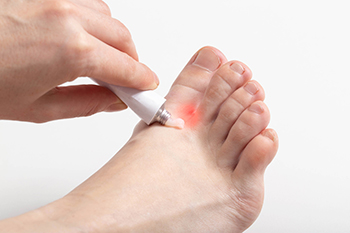
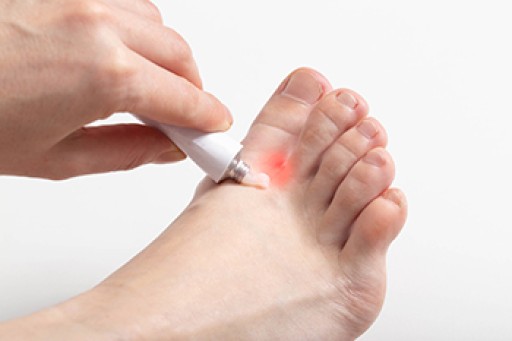
If left untreated, an ingrown toenail can lead to more serious concerns, such as an infection. Knowing proper nail care can help in the prevention of an ingrown toenail. Give us a call, and get treated!

How to Care for Your Arthritic Foot

How to Care for Your Arthritic Foot

Arthritis is an inflammation of the joints and it can occur at any joint in the body, especially in the foot. It generally effects those who are older, however, it can occur at any age. Although there are many different forms of arthritis, there are three main types that occur in the foot. The three types are osteoarthritis, rheumatoid arthritis, and gout.

The primary cause of osteoarthritis is aging. As you age, cartilage degenerates around the joints which causes friction and pain. Obesity can cause osteoarthritis through mechanical stress. Injuries that damage joints can increase the probability as well. Finally, a family history of osteoarthritis can also increase chances of having it.

Rheumatoid arthritis occurs when the immune system attacks the joint linings and weakens them over a long time. While there is no known cause of rheumatoid arthritis, obesity and smoking can increase your chances of getting it. Women are also more likely to get it than men.

Gout is a form of arthritis that occurs when there is too much uric acid in your blood and painful crystals form in your joints. Men are more likely to have gout than women. People who are obese or drink alcohol often are also more likely to develop gout. Furthermore, having diabetes, heart disease, high blood pressure, high cholesterol, gastric bypass surgery or a family history of gout may increase your likelihood of developing the condition.

Symptoms of arthritis include pain, stiffness, swelling in the joints. These symptoms can make it harder and more painful to walk. Physical activity can increase pain and discomfort. Furthermore, joint pain can worsen throughout the day for osteoarthritis. Gout attacks generally last several days with the first few being the worst.

Diagnosis of gout includes either a joint fluid test or a blood test. X-ray imaging can detect osteoarthritis but not gout. On the other hand, there is no blood test for osteoarthritis. Rheumatoid arthritis is difficult to diagnosis. Doctors utilize family and personal medical history, a physical examination, and antibody blood tests to determine if you have rheumatoid arthritis.

Treatment varies for the different kinds of arthritis. Anti-inflammatory medication or steroids can help reduce pain from inflammation of the joints. Changing shoe types can help with some symptoms. Wider shoes can help with discomfort from gout and osteoarthritis. High heels should be avoided. Shoes with proper arch support and that take pressure off the ball of the foot can help with rheumatoid arthritis. Drinking lots of water can also help rid uric acid from the blood. Losing weight, improving your diet, and limiting alcohol and smoking can also help prevent or lessen the symptoms of arthritis.

If you are having trouble walking or pain in your feet, see a podiatrist to check if you have arthritis.

How Osteoarthritis Affects the Feet and Ankles

How Osteoarthritis Affects the Feet and Ankles

Osteoarthritis is a joint condition that affects the feet and ankles when the smooth cartilage that covers the ends of bones begins to wear down. This cartilage normally allows bones to glide easily, but when it breaks down, the bones rub together, leading to pain, swelling, and stiffness. Many people notice symptoms of osteoarthritis in the big toe joint or ankle, which can make walking and standing extremely painful. Joints may feel stiff after rest, and some people hear a grinding or clicking sound during movement. The joint can change shape, and small bony growths can form, which may limit motion. Risk factors include aging, prior injuries, and added stress on the joints. A podiatrist can evaluate the affected joints, use imaging for diagnosis, and provide treatment. Options include custom orthotics, bracing, and pain relief medication. Surgery may be recommended in severe cases. If you have symptoms of osteoarthritis in your feet or ankles, it is suggested that you make an appointment with a podiatrist for help.

Arthritis can be a difficult condition to live with. If you are seeking treatment, contact one of our podiatrists from Foot Health Center of Merrimack Valley. Our doctors can provide the care you need to keep you pain-free and on your feet.

Arthritic Foot Care  

Arthritis is a term that is commonly used to describe joint pain.  The condition itself can occur to anyone of any age, race, or gender, and there are over 100 types of it.  Nevertheless, arthritis is more commonly found in women compared to men, and it is also more prevalent in those who are overweight. The causes of arthritis vary depending on which type of arthritis you have. Osteoarthritis for example, is often caused by injury, while rheumatoid arthritis is caused by a misdirected immune system.

Symptoms

  • Swelling
  • Pain
  • Stiffness
  • Decreased Range of Motion

Arthritic symptoms range in severity, and they may come and go. Some symptoms stay the same for several years but could potentially get worse with time. Severe cases of arthritis can prevent its sufferers from performing daily activities and make walking difficult.

Risk Factors

  • Occupation – Occupations requiring repetitive knee movements have been linked to osteoarthritis
  • Obesity – Excess weight can contribute to osteoarthritis development
  • Infection – Microbial agents can infect the joints and trigger arthritis
  • Joint Injuries – Damage to joints may lead to osteoarthritis
  • Age – Risk increases with age
  • Gender –Most types are more common in women
  • Genetics – Arthritis can be hereditary

If you suspect your arthritis is affecting your feet, it is crucial that you see a podiatrist immediately. Your doctor will be able to address your specific case and help you decide which treatment method is best for you.

If you have any questions please feel free to contact one of our offices located in North Andover, and Tewksbury, MA . We offer the newest diagnostic tools and technology to treat your foot and ankle needs.

Read more about How to Care for Your Arthritic Foot

Foot Pain

Foot Pain

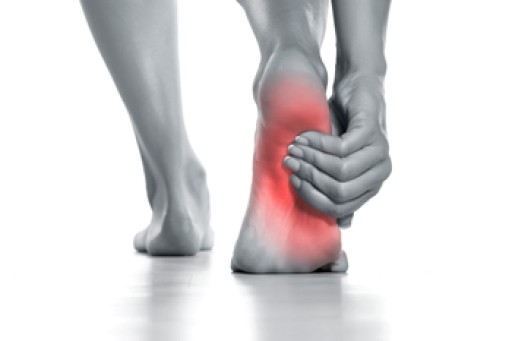
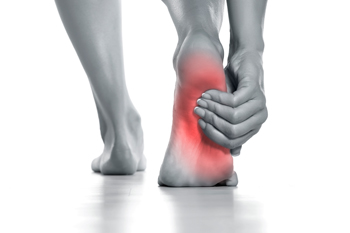
The feet, being the foundation of the body, carry all of the body’s weight and are therefore prone to experiencing pain and discomfort. If you are experiencing foot pain, it is important to determine where in the foot you are experiencing this pain to help discover the cause of it. While pain can be experienced virtually anywhere in the foot, the most common sites of foot pain are in the heel and ankle.   

Heel pain can be due to a multitude of conditions including plantar fasciitis, Achilles tendinitis, and heel spurs. Pain experienced in the ankle can be a sign of an ankle sprain, arthritis, gout, ankle instability, ankle fracture, or nerve compression. In more serious cases, pain in the foot can be a sign of improper alignment or an infection.

Foot pain can be accompanied by symptoms including redness, swelling, stiffness and warmth in the affected area. Whether the pain can be described as sharp or dull depends on the foot condition behind it. It is important to visit your local podiatrist if your foot pain and its accompanying symptoms persist and do not improve over time.

Depending on the location and condition of your foot pain, your podiatrist may prescribe certain treatments. These treatments can include but are not limited to prescription or over-the-counter drugs and medications, certain therapies, cortisone injections, or surgery.

If you are experiencing persistent foot pain, it is important to consult with your foot and ankle specialist to determine the cause and location. He or she will then prescribe the best treatment for you. While milder cases of foot pain may respond well to rest and at-home treatments, more serious cases may take some time to fully recover.

Understanding Aneurysmal Bone Cysts in the Foot

Understanding Aneurysmal Bone Cysts in the Foot

An aneurysmal bone cyst is a noncancerous growth that contains blood and can cause the bone to expand. It typically develops in young adults, most often affecting women. While it commonly appears in the long bones of the arms and legs, it can occasionally occur in less typical areas like the bones of the foot. It is not always clear why it develops, but it is thought to result from abnormal blood flow within the bone that leads to swelling and expansion. Because it can weaken the bone, it is important for podiatrists to keep this condition in mind when assessing unusual bone lesions. Early recognition helps guide proper imaging, diagnosis, and treatment planning. If you are experiencing persistent foot pain, swelling, or a noticeable lump, it is important to have it evaluated. It is suggested that you schedule an appointment with a podiatrist for a thorough examination and appropriate care.

Foot Pain

Foot pain can be extremely painful and debilitating. If you have a foot pain, consult with one of our podiatrists from Foot Health Center of Merrimack Valley. Our doctors will assess your condition and provide you with quality foot and ankle treatment.

Causes

Foot pain is a very broad condition that could be caused by one or more ailments. The most common include:

  • Bunions
  • Hammertoes
  • Plantar Fasciitis
  • Bone Spurs
  • Corns
  • Tarsal Tunnel Syndrome
  • Ingrown Toenails
  • Arthritis (such as Gout, Rheumatoid, and Osteoarthritis)
  • Flat Feet
  • Injury (from stress fractures, broken toe, foot, ankle, Achilles tendon ruptures, and sprains)
  • And more

Diagnosis

To figure out the cause of foot pain, podiatrists utilize several different methods. This can range from simple visual inspections and sensation tests to X-rays and MRI scans. Prior medical history, family medical history, and any recent physical traumatic events will all be taken into consideration for a proper diagnosis.

Treatment

Treatment depends upon the cause of the foot pain. Whether it is resting, staying off the foot, or having surgery; podiatrists have a number of treatment options available for foot pain.

If you have any questions, please feel free to contact one of our offices located in North Andover, and Tewksbury, MA . We offer the newest diagnostic and treatment technologies for all your foot care needs.

Read more about Foot Pain

How to Handle a Long Work Day on Your Feet

How to Handle a Long Work Day on Your Feet

In 2014, the American Podiatric Medical Association surveyed 1,000 American adults and found that half of all respondents lived with foot pain. Fortunately, there are ways to avoid foot problems such as following a daily footcare routine and wearing proper footwear at work.

If you have a job that requires you to be on your feet, it is best that you do not wear flat sole shoes. Your heel should be slightly elevated (less than 2 inches, but at least ¼-inch) if you are going to be standing for a prolonged period. You should also make sure that the shoes you wear are not too small. Tight shoes may cut off circulation to your feet, which will result in pain and blisters. It is always best to purchase fitted shoes later in the day, because the feet tend to swell as the day progresses. It may also be helpful to buy shoes a half size larger if you plan on wearing custom orthotics or arch supports.

Your muscles may become stiff when you are constantly standing up. It is important to take breaks every hour to stretch and relax. One tip is to perform calf raises, because this exercise will help improve your circulation. To perform this stretch, you first need to stand on the edge of a step with your abdominal muscles pulled inward. You then need to grip the step with the balls of your feet with your heels hanging over the edge. Next, try to raise your heels above the step by a few inches while standing on your tiptoes; hold this pose for a second. You should then lower your heels back even to the platform. These calf raises should be done ten times for full effectiveness.

You should also take care of your feet while you are at home. One of the best ways to prepare your feet for a long day of work is to soak them in ice water. Doing so for 20 minutes will help fight the swelling and inflammation that results from being on your feet at work.

Nevertheless, if you are experiencing pain in your feet, you should seek help from your podiatrist. Your doctor will help treat any ailments you may have in addition to helping you prevent any other ailments from developing in the future.

scroll to top