Understanding Bunions and How to Find Relief

Understanding Bunions and How to Find Relief

A bunion is a bony bump that develops at the base of the big toe when the joint shifts out of alignment. Symptoms may include swelling, redness, pain, and difficulty finding comfortable shoes. Risk factors include genetics, flat feet, and wearing narrow or high heeled shoes that put excessive pressure on the toes. Additionally, causes often involve a combination of inherited foot structure and repetitive stress on the joint. A podiatrist can provide solutions including custom orthotics, footwear guidance, and in some cases, surgery to relieve pain and restore function. If you are experiencing discomfort from a bunion, it is suggested that you schedule an appointment with a podiatrist who can offer appropriate treatment solutions for this condition.

If you are suffering from bunions, contact one of our podiatrists of Foot Health Center of Merrimack Valley. Our doctors can provide the care you need to keep you pain-free and on your feet.

What Is a Bunion?

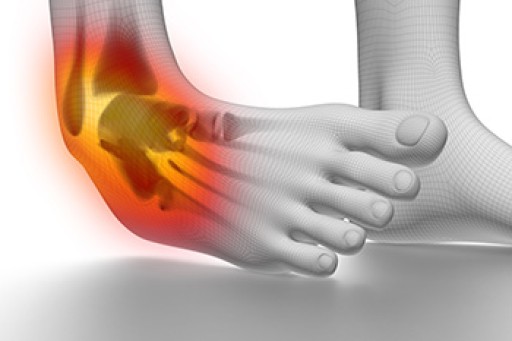
A bunion is formed of swollen tissue or an enlargement of boney growth, usually located at the base joint of the toe that connects to the foot. The swelling occurs due to the bones in the big toe shifting inward, which impacts the other toes of the foot. This causes the area around the base of the big toe to become inflamed and painful.

Why Do Bunions Form?

Genetics – Susceptibility to bunions are often hereditary

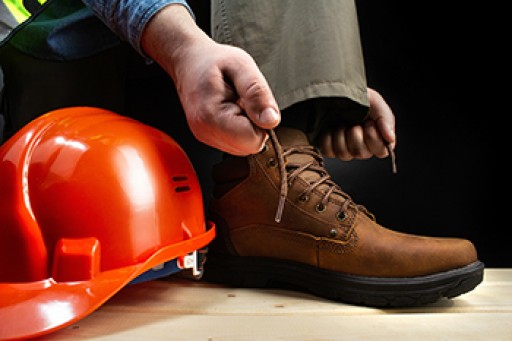
Stress on the feet – Poorly fitted and uncomfortable footwear that places stress on feet, such as heels, can worsen existing bunions

How Are Bunions Diagnosed?

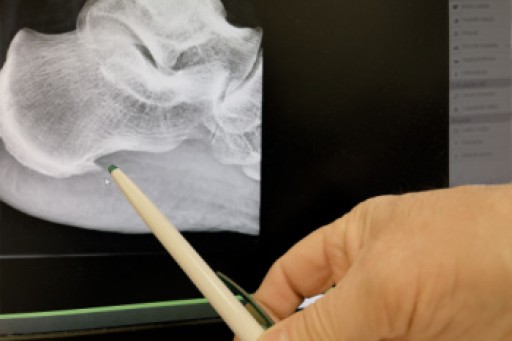
Podiatrists often perform two tests – blood tests and x-rays – when trying to diagnose bunions, especially in the early stages of development. Blood tests help determine if the foot pain is being caused by something else, such as arthritis, while x-rays provide a clear picture of your bone structure to your provider.

How Are Bunions Treated?

  • Refrain from wearing heels or similar shoes that cause discomfort
  • Select wider shoes that can provide more comfort and reduce pain
  • Anti-inflammatory and pain management drugs
  • Orthotics or foot inserts
  • Surgery

If you have any questions, please feel free to contact one of our offices located in North Andover, and Tewksbury, MA . We offer the newest diagnostic and treatment technologies for all your foot care needs.

Read more about What Are Bunions?

Living With a Hammertoe

Living With a Hammertoe

A hammertoe occurs when one or more of the smaller toes bend abnormally at the middle joint, creating a curled or hammer-like appearance. This condition may start with mild stiffness, but often progresses to a rigid contraction that makes wearing shoes painful. Friction from footwear can lead to corns, calluses, and skin irritation, while the altered position of the toe can disrupt balance and gait. Causes include muscle imbalance, wearing tight footwear, genetic factors, or underlying conditions such as arthritis. Early treatment focuses on relieving pressure with choosing wider shoes, toe pads, or custom orthotics, as well as stretching exercises to improve flexibility. More advanced cases may require surgical correction to restore proper alignment. Addressing a hammertoe promptly can prevent progressive damage and chronic discomfort. If you are experiencing pain or difficulty caused by a hammertoe deformity, it is suggested that you visit a podiatrist for evaluation and appropriate treatment.

Hammertoes can be a painful condition to live with. For more information, contact one of our podiatrists of Foot Health Center of Merrimack Valley. Our doctors will answer any of your foot- and ankle-related questions.

Hammertoe

Hammertoe is a foot deformity that occurs due to an imbalance in the muscles, tendons, or ligaments that normally hold the toe straight. It can be caused by the type of shoes you wear, your foot structure, trauma, and certain disease processes.

Symptoms

  • Painful and/or difficult toe movement
  • Swelling
  • Joint stiffness
  • Calluses/Corns
  • Physical deformity

Risk Factors

  • Age – The risk of hammertoe increases with age
  • Sex – Women are more likely to have hammertoe compared to men
  • Toe Length – You are more likely to develop hammertoe if your second toe is longer than your big toe
  • Certain Diseases – Arthritis and diabetes may make you more likely to develop hammertoe

Treatment

If you have hammertoe, you should change into a more comfortable shoe that provides enough room for your toes. Exercises such as picking up marbles may strengthen and stretch your toe muscles. Nevertheless, it is important to seek assistance from a podiatrist in order to determine the severity of your hammertoe and see which treatment option will work best for you.

If you have any questions, please feel free to contact one of our offices located in North Andover, and Tewksbury, MA . We offer the newest diagnostic and treatment technologies for all your foot care needs.

Read more about Hammertoe

Hammertoe

Hammertoe

Hammertoe is a foot deformity that occurs due to an imbalance in the tendons, muscles, or ligaments that are responsible for holding the toes in their normal position. This condition may be caused by poor footwear, foot structure, trauma, and disease. The most common solution for hammertoe is to relieve the pain by changing your footwear and wearing orthotics. In severe cases, surgery may be required.

The shoes that are most likely to cause hammertoe are high heeled shoes or shoes that are too tight in the toe box. Tight shoes will force your toes to crowd together in a curled position. This position will likely continue when you take your shoes off. Another cause is trauma. When you stub your toe, you are increasing the chance that you will develop hammertoe.

There are risk factors that may make you more likely to develop this condition. Women are more likely to have the condition compared to men, and it is also more likely to appear in those who are older in age.

Many different foot problems can be avoided by wearing shoes that have adjustability, adequate toe room, and low heels. Furthermore, if you want to buy new shoes, you should look to purchase them at the end of the day and make sure you know your correct size. The importance of buying shoes at the end of the day is that your feet swell as the day progresses. You should also ensure that you are wearing your correct size because your shoe size may change as you grow older.

To diagnose someone with hammertoe, your podiatrist will need to conduct a thorough examination of your foot. Your doctor may even order an x-ray to evaluate the bones and joints of your feet and toes.

If you have hammertoe, your podiatrist may recommend that you wear shoes that fit you better along with inserts to place inside them. Additionally, he or she may suggest special exercises for you to perform to stretch your toes. One helpful exercise it to pick up marbles with your feet or crumple a towel with your toes.

Prior to meeting with your podiatrist, it will be helpful to make a list of all the symptoms you are experiencing. You should also make a note of medications you are taking and important personal information about your medical history.

Why Live with Pain and Numbness in Your Feet?

Why Live with Pain and Numbness in Your Feet?

Suffering from this type of pain? You may have the foot condition known as Morton's neuroma. Morton's neuroma may develop as a result of ill-fitting footwear and existing foot deformities. We can help.

Boosting Cycling Performance with Arch Support Insoles

Boosting Cycling Performance with Arch Support Insoles

Cycling places unique demands on the feet and ankles, and proper support can make a significant difference in performance and injury prevention. Arch support insoles with a forefoot wedge that raises or tilts the front part of the foot for targeted pressure adjustment, help improve alignment, optimize power transfer, and reduce strain during long rides. Without proper support, cyclists may experience foot pain, ankle instability, or overuse injuries such as tendonitis and stress fractures. Risk factors include improper shoe fit, flat feet, and repetitive pedaling motions. A podiatrist can evaluate biomechanics, recommend custom insoles, and treat cycling-related injuries to keep riders strong and efficient. If you have foot pain from cycling, it is suggested that you consult a podiatrist who can treat various foot conditions, and guide you on correct insoles to wear for an enhanced cycling performance.

If you are having discomfort in your feet and would like to try orthotics, contact one of our podiatrists from Foot Health Center of Merrimack Valley. Our doctors can provide the care you need to keep you pain-free and on your feet.

What Are Orthotics?

Orthotics are inserts you can place into your shoes to help with a variety of foot problems such as flat feet or foot pain. Orthotics provide relief and comfort for minor foot and heel pain but can’t correct serious biomechanical problems in your feet.

Over-the-Counter Inserts

Orthotics come in a wide variety of over-the-counter inserts that are used to treat foot pain, heel pain, and minor problems. For example, arch supports can be inserted into your shoes to help correct overarched or flat feet, while gel insoles are often used because they provide comfort and relief from foot and heel pain by alleviating pressure.

Prescription Orthotics

If over-the-counter inserts don’t work for you or if you have a more severe foot concern, it is possible to have your podiatrist prescribe custom orthotics. These high-quality inserts are designed to treat problems such as abnormal motion, plantar fasciitis, and severe forms of heel pain. They can even be used to help patients suffering from diabetes by treating foot ulcers and painful calluses and are usually molded to your feet individually, which allows them to provide full support and comfort.

If you are experiencing minor to severe foot or heel pain, it’s recommended to speak with your podiatrist about the possibilities of using orthotics. A podiatrist can determine which type of orthotic is right for you and allow you to take the first steps towards being pain-free.

If you have any questions, please feel free to contact one of our offices located in North Andover, and Tewksbury, MA . We offer the newest diagnostic and treatment technologies for all your foot care needs.

Read more about Foot Orthotics

Foot Orthotics

Foot Orthotics

Orthotics are shoe inserts that are meant to correct an irregular walking gait or provide cushioning to the feet.  Orthotics come in a variety of different models and sizes, including over-the-counter and customizable variants. Customizable orthotics can be shaped and contoured to fit inside a specific shoe and are typically prescribed through a podiatrist who specializes in customized footwear and orthotics design and management.

Orthotics are beneficial because they can help prevent injuries from occurring and provide cushioning to keep pain levels down to a minimum. They also allow for the correct positioning of the feet. Orthotics can act as shock absorbers to help remove pressure from the foot and ankle. Therefore, orthotics can make bodily movements, such as walking and running, become more comfortable as well as help prevent the development of certain foot conditions.

Orthotics alleviate pain and make the foot more comfortable by slightly altering the angle at which the foot strikes the ground surface, therefore controlling the movement of the foot and ankle. Orthotics come in different variants and can be made of various materials. To determine what type of orthotic is most suited to your feet and your needs, it is best to consult your podiatrist. He or she will be able to recommend a type of orthotic that can help improve your foot function or prescribe a custom orthotic to best fit your feet.  

What to Know About a Broken Toe

What to Know About a Broken Toe

The forefoot is composed of five metatarsal bones and fourteen phalanges. Each toe has three phalanges except for the big toe which only has two. Our toes play an essential role to the walking process, which is why a broken toe could seriously disrupt one’s ability to move around. Toe fractures are common and can be very painful. Fortunately, these injuries rarely require surgery and usually heal with rest and a change in activity.

Broken toes typically result from a traumatic event such as falling, stubbing the toe, or dropping something on the toe. Traumatic toe fractures may be categorized as either minor or severe fractures. At times, one may hear a “pop” or “crack” sound when the bone breaks. Common symptoms of a traumatic toe fracture include pain, throbbing, bruising, swelling, and redness.

Another type of toe fractures is a stress fracture. These injuries usually appear in the form of small hairline breaks on the bone. Stress fractures develop after repetitive activity instead of a single injury. Stress fractures occur when the muscles in the bone become too weak to absorb impact. Consequently, the toe bone becomes vulnerable to any pressure and impact it endures. Symptoms for a stress fracture in the toe include swelling without bruising, tenderness to the touch, pain that goes away with rest, and pain after walking or running.

If you suspect that you have a broken toe, you should make an appointment with your podiatrist. He or she will likely diagnose you by performing a physical exam and an X-ray. Treatment for a broken toe may include the R.I.C.E. method, buddy taping, surgery, or antibiotics. The R.I.C.E. method (Rest, Ice, Compression, and Elevation) is a common treatment method for many injuries because it decreases pain. Buddy tapping involves wrapping the injured toe next to an adjacent toe to keep it supported and protected. These two methods have proven to be effective in the healing process for toe fractures. The estimated healing time for a broken toe is approximately four to six weeks. If the injury becomes infected or requires surgery, the estimated healing time may take eight weeks or more. 

An Effective Treatment Method For Broken Toes

An Effective Treatment Method For Broken Toes

Common reasons why a broken toe can occur may be from stubbing it against a piece of furniture, or if a heavy object drops on it. In severe fractures, the patient may hear the bone as it cracks, and this most likely indicates that it is a broken toe. Some of the symptoms that are associated with this condition can include swelling, bruising, and the toe may tingle and feel numb. Many broken toes are treated by using the buddy taping method. This consists of taping the affected toe to the toe next to it. This is helpful in providing the necessary support as the healing process begins. If you feel you may have a broken toe, it is suggested that you consult with a podiatrist who can perform a proper diagnosis and offer correct treatment options.

Broken toes may cause a lot of pain and should be treated as soon as possible. If you have any concerns about your feet, contact one of our podiatrists from Foot Health Center of Merrimack Valley. Our doctors will treat your foot and ankle needs.

What Is a Broken Toe?

A broken toe occurs when one or more of the toe bones of the foot are broken after an injury. Injuries such as stubbing your toe or dropping a heavy object on it may cause a toe fracture.

Symptoms of a Broken Toe

  • Swelling
  • Pain (with/without wearing shoes)
  • Stiffness
  • Nail Injury

Although the injured toe should be monitored daily, it is especially important to have a podiatrist look at your toe if you have severe symptoms. Some of these symptoms include worsening or new pain that is not relieved with medication, sores, redness, or open wounds near the toe.

If you have any questions please feel free to contact one of our offices located in North Andover, and Tewksbury, MA . We offer the newest diagnostic tools and technology to treat your foot and ankle needs.

Read more about What to Know About a Broken Toe

Flat Feet

Flat Feet

Flatfoot is a foot condition in which the arch of the foot has either partially or totally dropped or has never developed. While it is common in babies and small children, it can become a problem for them in adulthood if the arch never forms. For adults, the development of flat feet can be brought upon by injury, as a result of pregnancy due to increased elasticity, or obesity. Those who have health concerns such as rheumatoid arthritis or diabetes may also be at greater risk for developing the condition.

If you suspect that you have flat feet, it is best to consult your podiatrist. Your foot doctor will examine the suspected foot and observe how it looks while you sit and stand. He or she may take an X-ray to determine how serious the condition is. Some common signs of flatfoot include toe drift, in which the toes and front part of the foot point outward, a short Achilles tendon, and a heel that tilts outwardly while the ankle tilts inward.

Once flatfoot has been diagnosed, your podiatrist may suggest one of several treatment options. Flat feet can be rigid, in which the feet appear to have no arch even when the person is not standing; or flexible, in which the person appears to have an arch while not standing, but once standing the arch disappears. Those with flexible flatfoot may be told to reduce any activities that cause pain and to avoid extended periods of walking or standing. Another suggestion may be weight loss, as excessive weight may be placing pressure on the arches

In few cases, if the condition is severe and all other methods have been exhausted surgery may be required. This is normally avoided, however, due to a lengthy recovery time and high cost.

Flat Feet

Flat Feet

Flatfoot is a foot condition in which the arch of the foot has either partially or totally dropped or has never developed. While it is common in babies and small children, it can become a problem for them in adulthood if the arch never forms. For adults, the development of flat feet can be brought upon by injury, as a result of pregnancy due to increased elasticity, or obesity. Those who have health concerns such as rheumatoid arthritis or diabetes may also be at greater risk for developing the condition.

If you suspect that you have flat feet, it is best to consult your podiatrist. Your foot doctor will examine the suspected foot and observe how it looks while you sit and stand. He or she may take an X-ray to determine how serious the condition is. Some common signs of flatfoot include toe drift, in which the toes and front part of the foot point outward, a short Achilles tendon, and a heel that tilts outwardly while the ankle tilts inward.

Once flatfoot has been diagnosed, your podiatrist may suggest one of several treatment options. Flat feet can be rigid, in which the feet appear to have no arch even when the person is not standing; or flexible, in which the person appears to have an arch while not standing, but once standing the arch disappears. Those with flexible flatfoot may be told to reduce any activities that cause pain and to avoid extended periods of walking or standing. Another suggestion may be weight loss, as excessive weight may be placing pressure on the arches

In few cases, if the condition is severe and all other methods have been exhausted surgery may be required. This is normally avoided, however, due to a lengthy recovery time and high cost.

scroll to top