Foot Pain From Standing at Work

Foot Pain From Standing at Work

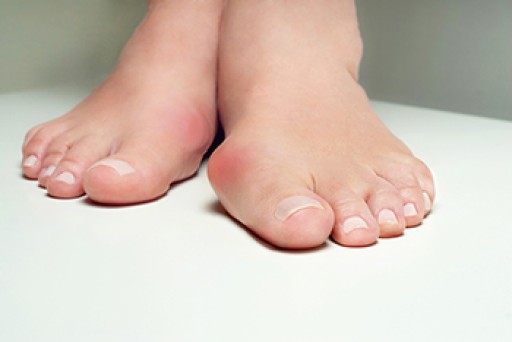
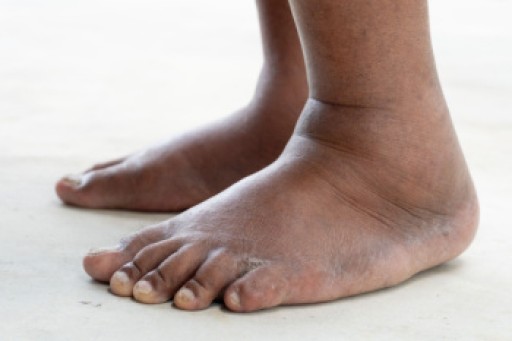
Standing for long hours at work can place constant pressure on the feet and lead to pain and structural strain. Repeated stress on the feet can irritate the plantar fascia, a strong band of tissue along the bottom of the foot, and lead to heel pain. It can also overload the forefoot, causing burning sensations, calluses, and joint discomfort. Muscles and tendons may become tight, while poor circulation can result in swelling and fatigue. This stress also may change how weight is distributed across the foot, increasing the risk of arch problems and toe deformities. A podiatrist can evaluate foot alignment, identify pressure points, and provide custom orthotics, shoe inserts designed to improve support and reduce strain. In some cases, bracing or other medical treatment may be prescribed to protect the feet during long work shifts. If you have foot problems related to standing all day at work, it is suggested that you schedule an appointment with a podiatrist for appropriate treatment.

While working on the feet, it is important to take the proper care of them. For more information about working on your feet, contact one of our podiatrists from Foot Health Center of Merrimack Valley. Our doctors will treat your foot and ankle needs.

Working on Your Feet

Standing on your feet for long periods of time can cause stress and pain in your feet. Your whole body may experience change in terms of posture, back pain, bunions, callouses and or plantar warts. There are ways to avoid these conditions with proper foot care, smart choices and correct posture.

Positive Changes

Negative heeled shoe – Choosing this shoe type places the heel slightly lower than the ball of the foot. These are great for overall foot health. Find shoes that fit you correctly.

Go barefoot – Our feet were not designed to be enclosed for all hours of the day. Try to periodically expose your feet to air.

Eliminate Pain

Foot Exercises – Performing simple exercises, incorporating yoga and doing stretches are beneficial. This will allow increased blood flow to the area and muscles of the foot.

Achilles tendon – Stretching the foot out flat on the floor will relax the calf muscles and tendon. These exercises can be performed almost anywhere. Make sure you add these exercises to your daily regimen. 

With a little bit of this information and knowing more about foot health, you will notice changes. Foot stretches and proper footwear will help with pain and prevent further issues.

If you have any questions please contact one of our offices located in North Andover, and Tewksbury, MA . We offer the newest diagnostic and treatment technologies for all your foot and ankle needs.


Read more about How to Handle a Long Work Day on Your Feet

Ingrown Toenails

Ingrown Toenails

An ingrown toenail is a nail that has curved downward and grown into the skin.  This typically occurs at either the nail borders or the sides of the nail.  As a result, pain, redness, swelling, and warmth may occur in the toe.  If a break in the skin forms due to the ingrown nail, bacteria may enter and cause an infection in the area; this is typically characterized by a foul odor and drainage.

Ingrown toenails have multiple reasons for developing.  In many instances, the condition is a result of genetics and is inherited.  The most common cause, however, is improper trimming; cutting the toenails too short forces the skin beside the nail to fold over.  An ingrown toenail can also develop due to trauma, such as stubbing the toe, having an object fall on the toe, or participating in activities that involve repeated kicking or running.  Wearing shoes that are too tight or too short can also cause ingrown toenails.

Treatment for an ingrown toenail varies between patients and the severity of the condition.  In most cases, it is best to see your podiatrist for thorough and proper treatment.  After examining your toe, your podiatrist may prescribe oral antibiotics to clear the infection if one is present.  Surgical removal of either a portion of the nail or the entire nail may also be considered.  In some cases, complete removal or destruction of the nail root may be required.  Most patients who undergo nail surgery experience minimal pain afterward and can return to normal activity the following day.

Ingrown toenails can be prevented with proper nail trimming and by avoiding improper-fitting shoes.  When cutting the toenails, be sure that you are cutting in a straight line and avoid cutting them too short.  Shoes should not be too short or tight in the toe box.

Causes and Risk Factors for Ingrown Toenails

Causes and Risk Factors for Ingrown Toenails

Ingrown toenails develop when the edge of a nail grows into the surrounding skin, leading to pain, swelling, and possible infection. An ingrown toenail usually affects the big toe, which can become infected if ignored. Causes include cutting nails too short, rounding the corners, or wearing tight shoes that crowd the toes. Excess moisture from sweaty feet can soften the skin, making it easier for the nail to penetrate. Some people inherit curved toenails that increase risk, while conditions like diabetes or poor circulation can slow healing and raise the chance of infection. Signs of ingrown toenails include redness, drainage, or overgrown tissue along the nail edge. A podiatrist can evaluate the toenail, relieve pressure, remove the problem portion of the nail, and address infection to prevent complications. If you have a painful ingrown toenail, it is suggested that you make an appointment with a podiatrist for treatment.

Ingrown toenails can become painful if they are not treated properly. For more information about ingrown toenails, contact one of our podiatrists of Foot Health Center of Merrimack Valley. Our doctors can provide the care you need to keep you pain-free and on your feet.

Ingrown Toenails

Ingrown toenails occur when a toenail grows sideways into the bed of the nail, causing pain, swelling, and possibly infection.

Causes

  • Bacterial infections
  • Improper nail cutting such as cutting it too short or not straight across
  • Trauma to the toe, such as stubbing, which causes the nail to grow back irregularly
  • Ill-fitting shoes that bunch the toes too close together
  • Genetic predisposition

Prevention

Wearing proper fitting shoes and using proper cutting techniques will also help decrease your risk of developing ingrown toenails.

Treatment

Ingrown toenails are a very treatable foot condition. In minor cases, soaking the affected area in salt or antibacterial soaps will not only help with the ingrown nail itself, but also help prevent any infections from occurring. In more severe cases, surgery is an option. In either case, speaking to your podiatrist about this condition will help you get a better understanding of specific treatment options that are right for you.

If you have any questions, please feel free to contact one of our offices located in North Andover, and Tewksbury, MA . We offer the newest diagnostic and treatment technologies for all your foot care needs.

Read more about Ingrown Toenails

Effect of High Heels on the Feet

Effect of High Heels on the Feet

High heels are uncomfortable, but many women sacrifice comfort to be stylish. There are many problems that stem from wearing high heels, however these issues can be avoided by wearing proper shoes.

Heels are bad because they push your weight forward toward the fall of the foot. The higher the heel is, the more weight and pressure get shifted. This process causes the back to hyperextend backwards to counterbalance which may cause pain in the leg, hip, and back. Consequently, major posture problems may occur, and these issues may eventually become permanent.

Wearing high heels is one of the leading cause of ingrown toenails. Heels create a great deal of pressure on the big toenails which disrupts proper toenail growth. This may eventually lead to the big toenail growing into the skin.  Another common problem that stems from high heels is bunions. If bunions go untreated, they can cause serious scar tissue to form along with severe pain.

However, there are ways to minimize the harmful risks associated with wearing heels. You should try to massage and stretch your legs and feet after wearing heels for an extended time. Stretching helps prevent the Achilles tendons and calf muscles from becoming too tight. A good substitute for heels are platforms which provide a better surface area to evenly distribute the body’s weight.

If you are experiencing any painful foot conditions from wearing high heels, you should consult with your podiatrist right away.

High Heels and Foot Health

High Heels and Foot Health

Wearing high heels regularly can negatively affect foot health, contributing to bunions, hammertoes, plantar fasciitis, and even Achilles tendon tears. Frequent high-heel use often leads to chronic foot pain, stiffness, and imbalance. Choosing heels wisely can reduce these risks. Opt for shoes that are less than one-and-a-half inches high, wider at the heel for stability, with soft insoles for cushioning, and ample toe room to prevent crowding. A podiatrist can evaluate your foot structure, recommend supportive footwear, provide custom orthotics, and treat injuries or pain caused by high heel use. If you enjoy wearing high heels but have developed foot pain, it is suggested that you consult a podiatrist who can treat various foot and ankle conditions, as well as guide you on more appropriate shoes to wear for maximum foot health.

High heels have a history of causing foot and ankle problems. If you have any concerns about your feet or ankles, contact one of our podiatrists from Foot Health Center of Merrimack Valley. Our doctors can provide the care you need to keep you pain-free and on your feet.

Effects of High Heels on the Feet

High heels are popular shoes among women because of their many styles and societal appeal.  Despite this, high heels can still cause many health problems if worn too frequently.

Which Parts of My Body Will Be Affected by High Heels?

  • Ankle Joints
  • Achilles Tendon – May shorten and stiffen with prolonged wear
  • Balls of the Feet
  • Knees – Heels cause the knees to bend constantly, creating stress on them
  • Back – They decrease the spine’s ability to absorb shock, which may lead to back pain.  The vertebrae of the lower back may compress.

What Kinds of Foot Problems Can Develop from Wearing High Heels?

  • Corns
  • Calluses
  • Hammertoe
  • Bunions
  • Morton’s Neuroma
  • Plantar Fasciitis

How Can I Still Wear High Heels and Maintain Foot Health?

If you want to wear high heeled shoes, make sure that you are not wearing them every day, as this will help prevent long term physical problems.  Try wearing thicker heels as opposed to stilettos to distribute weight more evenly across the feet.  Always make sure you are wearing the proper shoes for the right occasion, such as sneakers for exercising.  If you walk to work, try carrying your heels with you and changing into them once you arrive at work.  Adding inserts to your heels can help cushion your feet and absorb shock. Full foot inserts or metatarsal pads are available. 

If you have any questions, please feel free to contact one of our offices located in North Andover, and Tewksbury, MA . We offer the newest diagnostic and treatment technologies for all your foot care needs.

Read more about Effect of High Heels on the Feet

Do Your Child's Feet Hurt?

Do Your Child's Feet Hurt?

Have your child's feet been examined lately? Healthy feet are happy feet. If your child is complaining of foot pain, it may be a sign of underlying problems.

Treating Toenail Fungus

Treating Toenail Fungus

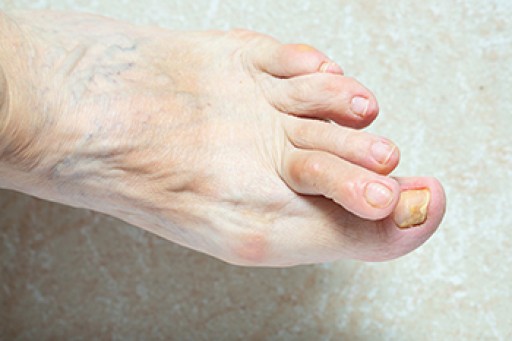
Fungal infection of the toenail, or onychomycosis, typically appears as a gradual change in a toenail’s texture and color that involves brittleness and darkening.  The fungal infection itself occurs beneath the surface of the nail.  Aside from discoloration, other symptoms include the collection of debris beneath the nail plate, white marks on the nail plate, and a foul odor emanating from the nail.  If ignored, the infection can spread into other nails and the skin; in severe cases, it can hinder one’s ability to work or walk. 

The toenails are particularly vulnerable to contracting infection in moist environments where people are likely to be walking barefoot, such as around swimming pools, public showers, and locker rooms.  Fungal infection may also be more likely to occur in nail beds that have been injured, and sufferers of chronic diseases such as diabetes, circulatory problems, or immunodeficiency conditions are particularly prone to developing fungal nails. 

Fungal nails can be primarily prevented by practicing proper hygiene and regularly examining the feet and toes.  Carefully washing the feet with soap and water and thoroughly drying the feet afterwards are essential.  Other tips include wearing shower shoes in public areas, changing shoes and socks daily, keeping toenails clipped at a short length, wearing breathable shoes that fit properly, wearing moisture-wicking socks, and disinfecting home pedicure tools and instruments used to cut nails.

Fungal nail treatment may vary between patients and the severity of the condition.  Your podiatrist may suggest a daily routine of cleansing that spans over a period of time to ease mild infections.  Over-the-counter or prescription antifungal agents may also be prescribed, including topical and/or oral medications.  Debridement, or the removal of diseased nail matter and debris, may also be performed.  In more severe cases, surgical treatment may be needed.  In some instances, the temporary removal of the fungal nail allows for the direct application of a topical antifungal to the nail bed.  In other cases, a chronically painful fungal nail that has not responded to other treatments may be permanently removed; this allows the infection to be cured and avoids the growth of a deformed nail.  

When Toenail Fungus Becomes More Than Cosmetic

When Toenail Fungus Becomes More Than Cosmetic

Onychomycosis is the medical term for a fungal infection of the toenails. The infection develops when fungi grow under or within the nail, slowly damaging the nail plate and surrounding tissue. Many people first notice a nail that becomes yellow, white, or brown, and begins to thicken or crumble. While it may seem like only a cosmetic concern, thickened nails can press against shoes and cause pain during daily activities. Nails may become difficult to trim and can trap debris that worsens irritation. The infection may also spread to other nails or nearby skin. Older adults and people with diabetes or circulation problems often experience more severe cases. A podiatrist can confirm the infection and recommend effective treatment options. If you notice thick, discolored, or painful toenails, it is suggested that you see a podiatrist for a proper diagnosis and appropriate treatment.

If left untreated, toenail fungus may spread to other toenails, skin, or even fingernails. If you suspect you have toenail fungus it is important to seek treatment right away. For more information about treatment, contact one of our podiatrists of Foot Health Center of Merrimack Valley. Our doctors can provide the care you need to keep you pain-free and on your feet.

Symptoms

  • Warped or oddly shaped nails
  • Yellowish nails
  • Loose/separated nail
  • Buildup of bits and pieces of nail fragments under the nail
  • Brittle, broken, thickened nail

Treatment

If self-care strategies and over-the-counter medications does not help your fungus, your podiatrist may give you a prescription drug instead. Even if you find relief from your toenail fungus symptoms, you may experience a repeat infection in the future.

Prevention

In order to prevent getting toenail fungus in the future, you should always make sure to wash your feet with soap and water. After washing, it is important to dry your feet thoroughly especially in between the toes. When trimming your toenails, be sure to trim straight across instead of in a rounded shape. It is crucial not to cover up discolored nails with nail polish because that will prevent your nail from being able to “breathe”.

In some cases, surgical procedure may be needed to remove the toenail fungus. Consult with your podiatrist about the best treatment options for your case of toenail fungus.  

If you have any questions please contact one of our offices located in North Andover, and Tewksbury, MA . We offer the newest diagnostic and treatment technologies for all your foot and ankle needs.

Read more about Treating Toenail Fungus

Wound Care

Wound Care

Diabetics must be wary of all wounds, regardless of depth or size. Diabetes, a chronic disease in which the body cannot properly use glucose the way it normally would, causes various complications that make wounds difficult to heal. Nerve damage or neuropathy will cause diabetics to have trouble feeling the pain of a blister or cut until the condition has significantly worsened or become infected. A diabetic’s weakened immune system can make even the most minor of wounds easily susceptible to infection. Diabetics are also more prone to developing narrow, clogged arteries, and are therefore more likely to develop wounds.

Wounds should be taken care of immediately after discovery, as even the smallest of wounds can become infected if enough bacteria build up within the wound.  To remove dirt, wounds should be first rinsed under running water only. Soap, hydrogen peroxide, or iodine can irritate the injury and should be avoided. To prevent infection, apply antibiotic ointment to the wound and cover it with a bandage. The bandage should be changed daily. The skin around the wound may be cleaned with soap.

To prevent further exacerbation, see a doctor—especially if you have diabetes. Minor skin conditions can become larger problems if not properly inspected. As the wound heals, make sure to avoid applying pressure to the affected area.

How the Body Repairs a Foot Wound

How the Body Repairs a Foot Wound

When the skin on the foot is injured, the body begins a complex healing response designed to close the wound and restore healthy tissue. This process happens in several connected stages that gradually rebuild the damaged area. First, the body works to stop bleeding and protect the injury. Blood cells gather at the site and form a clot that seals the wound, preventing harmful bacteria from entering. Next, the body begins building new tissue. Fresh cells grow, small blood vessels develop, and the wound slowly fills in as healthy skin forms. During the final stage, the new tissue strengthens and becomes more organized. The skin becomes firmer and better able to handle normal pressure from standing and walking. Proper wound care, cleanliness, and reduced pressure help support healing. If a foot wound heals slowly or shows signs of infection, it is suggested that you promptly see a podiatrist for a proper diagnosis and appropriate treatment.

Wound care is an important part in dealing with diabetes. If you have diabetes and a foot wound or would like more information about wound care for diabetics, consult with one of our podiatrists from Foot Health Center of Merrimack Valley. Our doctors will assess your condition and provide you with quality foot and ankle treatment.

What Is Wound Care?

Wound care is the practice of taking proper care of a wound. This can range from the smallest to the largest of wounds. While everyone can benefit from proper wound care, it is much more important for diabetics. Diabetics often suffer from poor blood circulation which causes wounds to heal much slower than they would in a non-diabetic. 

What Is the Importance of Wound Care?

While it may not seem apparent with small ulcers on the foot, for diabetics, any size ulcer can become infected. Diabetics often also suffer from neuropathy, or nerve loss. This means they might not even feel when they have an ulcer on their foot. If the wound becomes severely infected, amputation may be necessary. Therefore, it is of the upmost importance to properly care for any and all foot wounds.

How to Care for Wounds

The best way to care for foot wounds is to prevent them. For diabetics, this means daily inspections of the feet for any signs of abnormalities or ulcers. It is also recommended to see a podiatrist several times a year for a foot inspection. If you do have an ulcer, run the wound under water to clear dirt from the wound; then apply antibiotic ointment to the wound and cover with a bandage. Bandages should be changed daily and keeping pressure off the wound is smart. It is advised to see a podiatrist, who can keep an eye on it.

If you have any questions please contact one of our offices located in North Andover, and Tewksbury, MA . We offer the newest diagnostic and treatment technologies for all your foot and ankle needs.

Read more about Wound Care
scroll to top