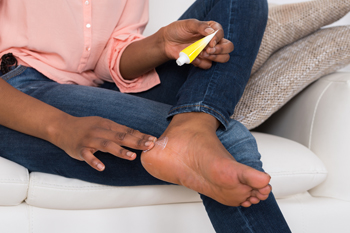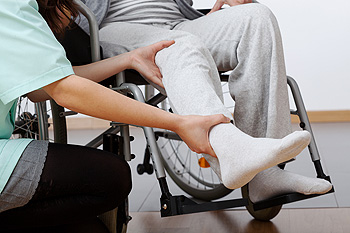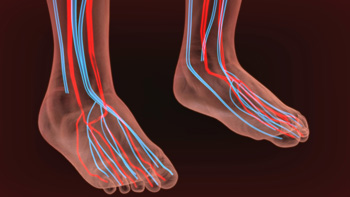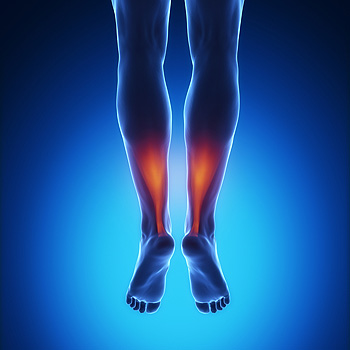
If you have a heel spur, you are most likely familiar with the pain and discomfort this condition may cause. The small, bony protrusion that forms on the heel may be a result of repetitive stress the heel endures, possibly originating from frequent running or jumping. Additionally, if the incorrect shoes are worn, or an abnormal walking pattern exists, a heel spur may begin to develop. Some patients may notice pain in the heel and surrounding area while walking, and it may be quite uncomfortable in the morning when the first steps are taken. There may be measures that can be taken, which may possibly prevent heel spurs from forming. These may include wearing shoes that properly support your feet, performing gentle foot stretches before physical activity begins, and maintaining a healthy weight, which may lessen the amount of pressure the heel may endure. If you have heel pain, it is suggested to speak with a podiatrist who can determine if you have a heel spur and can advise on proper treatment techniques.
Heel spurs can be incredibly painful and sometimes may make you unable to participate in physical activities. To get medical care for your heel spurs, contact one of our podiatrists from Foot Health Center of Merrimack Valley. Our doctors will do everything possible to treat your condition.
Heels Spurs
Heel spurs are formed by calcium deposits on the back of the foot where the heel is. This can also be caused by small fragments of bone breaking off one section of the foot, attaching onto the back of the foot. Heel spurs can also be bone growth on the back of the foot and may grow in the direction of the arch of the foot.
Older individuals usually suffer from heel spurs and pain sometimes intensifies with age. One of the main condition's spurs are related to is plantar fasciitis.
Pain
The pain associated with spurs is often because of weight placed on the feet. When someone is walking, their entire weight is concentrated on the feet. Bone spurs then have the tendency to affect other bones and tissues around the foot. As the pain continues, the feet will become tender and sensitive over time.
Treatments
There are many ways to treat heel spurs. If one is suffering from heel spurs in conjunction with pain, there are several methods for healing. Medication, surgery, and herbal care are some options.
If you have any questions, please feel free to contact one of our offices located in North Andover, and Tewksbury, MA . We offer the newest diagnostic and treatment technologies for all your foot care needs.

Research has shown that as the aging process occurs, falling may be an unnatural and common experience. Unpleasant conditions, which may include enduring a fracture, can happen from falling. It is wise to learn about the steps that are needed that aid in falls prevention. It may help to stay physically strong and this may be accomplished by staying as active as possible. When daily activities are performed, improved strength, balance, and coordination may be benefits of this type of effort. Additionally, it may help to wear shoes that are comfortable and fit correctly. Keeping the home free of clutter so tripping may be minimized may aid in preventing unnecessary injuries from occurring. Many people have handrails installed in the shower area, in addition to having regular physical examinations, which may include speaking with your doctor about your vision and any numbing sensations that may be present.
Preventing falls among the elderly is very important. If you are older and have fallen or fear that you are prone to falling, consult with one of our podiatrists from Foot Health Center of Merrimack Valley. Our doctors will assess your condition and provide you with quality advice and care.
Every 11 seconds, an elderly American is being treated in an emergency room for a fall related injury. Falls are the leading cause of head and hip injuries for those 65 and older. Due to decreases in strength, balance, senses, and lack of awareness, elderly persons are very susceptible to falling. Thankfully, there are a number of things older persons can do to prevent falls.
How to Prevent Falls
Some effective methods that older persons can do to prevent falls include:
Falling can be a traumatic and embarrassing experience for elderly persons; this can make them less willing to leave the house, and less willing to talk to someone about their fears of falling. Doing such things, however, will increase the likelihood of tripping or losing one’s balance. Knowing the causes of falling and how to prevent them is the best way to mitigate the risk of serious injury.
If you have any questions, please feel free to contact one of our offices located in North Andover, and Tewksbury, MA . We offer the newest diagnostic and treatment technologies for all your foot care needs.
A common reason why blisters form on the feet may be a result of consistent friction between the toes or on the back of the heel. A blister is typically a small area that resembles a bubble and is filled with fluid. This is the body’s natural defense mechanism to ensure the skin under the blister is protected. Research has shown there are different types of blisters that may form, including pinch blisters, which may be a result of a toe that is curled under the toe next to it, causing a blister to form in between the two toes. Additionally, interdigital blisters may be caused by an allergic reaction to an insect bite, and may lead to an infection. Patients who have eczema or athlete's foot may be familiar with the types of blisters these uncomfortable conditions may cause. If shoes that are worn do not fit correctly, blisters may form on the pinky toe or if excess rubbing exists on the back of the foot, it may cause unsightly blisters on the back of the heel. If you would like to learn about how to prevent blisters on the feet or need information about proper treatment techniques, it’s suggested to speak with a podiatrist.
Blisters are prone to making everyday activities extremely uncomfortable. If your feet are hurting, contact one of our podiatrists of Foot Health Center of Merrimack Valley. Our doctors can provide the care you need to keep you pain-free and on your feet.
Foot Blisters
Foot blisters develop as a result of constantly wearing tight or ill-fitting footwear. This happens due to the constant rubbing from the shoe, which can often lead to pain.
What Are Foot Blisters?
A foot blister is a small fluid-filled pocket that forms on the upper-most layer of the skin. Blisters are filled with clear fluid and can lead to blood drainage or pus if the area becomes infected.
How Do Blisters Form?
Blisters on the feet are often the result of constant friction of skin and material, usually by shoe rubbing. Walking in sandals, boots, or shoes that don’t fit properly for long periods of time can result in a blister. Having consistent foot moisture and humidity can easily lead to blister formation.
Prevention & Treatment
It is important to properly care for the affected area in order to prevent infection and ease the pain. Do not lance the blister and use a Band-Aid to provide pain relief. Also, be sure to keep your feet dry and wear proper fitting shoes. If you see blood or pus in a blister, seek assistance from a podiatrist.
If you have any questions, please feel free to contact one of our offices located in North Andover, and Tewksbury, MA . We offer the newest diagnostic and treatment technologies for all your foot care needs.
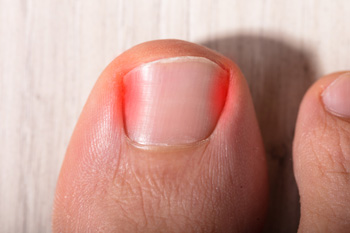
If you are experiencing pain and swelling surrounding the nail on the big toe, you may have what is known as an ingrown toenail. Research has shown that when this condition is treated promptly and correctly, many unpleasant and uncomfortable foot conditions may be avoided. These may include a painful infection developing, as well as partial or total removal of the toenail. There are several causes of why this ailment may occur, including improperly cut toenails, wearing shoes and socks that may be too tight, or possible injuries to the toe. Additionally, genetics may play a role in determining the shape of the toenail, which may press more easily into the side of the toenail. Painful symptoms may include bleeding or discharge from the surrounding area of the toenail, severe redness, or swelling. It’s advised to consult with a podiatrist as quickly as possible so the correct treatment options may be discussed.
Ingrown toenails can become painful if they are not treated properly. For more information about ingrown toenails, contact one of our podiatrists of Foot Health Center of Merrimack Valley. Our doctors can provide the care you need to keep you pain-free and on your feet.
Ingrown Toenails
Ingrown toenails occur when a toenail grows sideways into the bed of the nail, causing pain, swelling, and possibly infection.
Causes
Prevention
Because ingrown toenails are not something found outside of shoe-wearing cultures, going barefoot as often as possible will decrease the likeliness of developing ingrown toenails. Wearing proper fitting shoes and using proper cutting techniques will also help decrease your risk of developing ingrown toenails.
Treatment
Ingrown toenails are a very treatable foot condition. In minor cases, soaking the affected area in salt or antibacterial soaps will not only help with the ingrown nail itself, but also help prevent any infections from occurring. In more severe cases, surgery is an option. In either case, speaking to your podiatrist about this condition will help you get a better understanding of specific treatment options that are right for you.
If you have any questions, please feel free to contact one of our offices located in North Andover, and Tewksbury, MA . We offer the newest diagnostic and treatment technologies for all your foot care needs.
There are many women who enjoy wearing high heels despite knowing foot pain may develop from wearing these specific type of shoes. Research has shown that when the heel is high, the arch in the foot may become inflamed and this may typically cause pain and discomfort. If high heels are worn on a frequent basis, the toes may undergo stress, and this may possibly cause corns and calluses to develop. The likelihood of incurring a fall may increase as a result of the line of gravity being altered by the height of the heel. There are several ways to enjoy wearing high heels while keeping your feet as comfortable as possible. These may include slipping off your shoes at an appropriate time and performing gentle stretching exercises, including pointing, flexing and rolling your ankles. Additionally, circulation in the feet may be increased by wiggling the toes. Your feet may benefit by wearing shoes that are more comfortable the following day, which may allow the foot muscles to rest. Please speak to a podiatrist if you would like additional information concerning the dangers of wearing high heels.
High heels have a history of causing foot and ankle problems. If you have any concerns about your feet or ankles, contact one of our podiatrists from Foot Health Center of Merrimack Valley. Our doctors can provide the care you need to keep you pain-free and on your feet.
Effects of High Heels on the Feet
High heels are popular shoes among women because of their many styles and societal appeal. Despite this, high heels can still cause many health problems if worn too frequently.
Which Parts of My Body Will Be Affected by High Heels?
What Kinds of Foot Problems Can Develop from Wearing High Heels?
How Can I Still Wear High Heels and Maintain Foot Health?
If you want to wear high heeled shoes, make sure that you are not wearing them every day, as this will help prevent long term physical problems. Try wearing thicker heels as opposed to stilettos to distribute weight more evenly across the feet. Always make sure you are wearing the proper shoes for the right occasion, such as sneakers for exercising. If you walk to work, try carrying your heels with you and changing into them once you arrive at work. Adding inserts to your heels can help cushion your feet and absorb shock. Full foot inserts or metatarsal pads are available.
If you have any questions, please feel free to contact one of our offices located in North Andover, and Tewksbury, MA . We offer the newest diagnostic and treatment technologies for all your foot care needs.
Research has shown the ankle is comprised of three bones that interlock together. If an injury is endured that fractures one or more of these bones, it is often referred to as a broken ankle. There are several ligaments and tendons that are attached to these specific bones and may become displaced if the ankle becomes fractured. This typically may occur if a fall has happened and the ankle twists unnaturally. The noticeable symptoms may often include severe pain in and around the affected ankle, unsightly bruising, or difficulty in moving the toes. There are several ways to treat this condition, including wearing a protective boot, taping or wrapping the ankle, which may provide additional support, or possible surgery, which is often determined by the severity of the fracture. If you have broken your ankle, it’s advised to speak with a podiatrist as quickly as possible so the correct choice of treatment can begin.
Broken ankles need immediate treatment. If you are seeking treatment, contact one of our podiatrists from Foot Health Center of Merrimack Valley. Our doctors can provide the care you need to keep you pain-free and on your feet.
Broken Ankles
A broken ankle is experienced when a person fractures their tibia or fibula in the lower leg and ankle area. Both of these bones are attached at the bottom of the leg and combine to form what we know to be our ankle.
When a physician is referring to a break of the ankle, he or she is usually referring to a break in the area where the tibia and fibula are joined to create our ankle joint. Ankles are more prone to fractures because the ankle is an area that suffers a lot of pressure and stress. There are some obvious signs when a person experiences a fractured ankle, and the following symptoms may be present.
Symptoms of a Fractured Ankle
If you suspect an ankle fracture, it is recommended to seek treatment as soon as possible. The sooner you have your podiatrist diagnose the fracture, the quicker you’ll be on the way towards recovery.
If you have any questions, please feel free to contact one of our offices located in North Andover, and Tewksbury, MA . We offer the newest diagnostic and treatment technologies for all your foot care needs.