What Is the Function of the Sesamoid Bones?

The location of the sesamoid bones is inside a tendon in the foot. The two bones are next to each other under the big toe joint in the bottom of the foot. They help to raise and move the big toe and can push off the ground while running. They take the strain off the foot while walking and running by absorbing the weight of the foot. If these bones should become inflamed, a condition that is referred to as sesamoiditis develops. It happens as a result of pressure that is exerted on the sesamoid bones and is a common condition among runners. There may be existing circumstances that lead to this ailment, including having high arches, or feet that have minimal cushioning on the sole of the foot. The symptoms that are common with sesamoiditis will typically include achiness in the ball of the foot, and a severe, throbbing sensation. If you feel you have sesamoiditis, it is advised to consult with a podiatrist, so proper treatment can begin.

Sesamoiditis is an unpleasant foot condition characterized by pain in the balls of the feet. If you think you’re struggling with sesamoiditis, contact one of our podiatrists of Foot Health Center of Merrimack Valley. Our doctors will treat your condition thoroughly and effectively.

Sesamoiditis

Sesamoiditis is a condition of the foot that affects the ball of the foot. It is more common in younger people than it is in older people. It can also occur with people who have begun a new exercise program, since their bodies are adjusting to the new physical regimen. Pain may also be caused by the inflammation of tendons surrounding the bones. It is important to seek treatment in its early stages because if you ignore the pain, this condition can lead to more serious problems such as severe irritation and bone fractures.

Causes of Sesamoiditis

  • Sudden increase in activity
  • Increase in physically strenuous movement without a proper warm up or build up
  • Foot structure: those who have smaller, bonier feet or those with a high arch may be more susceptible

Treatment for sesamoiditis is non-invasive and simple. Doctors may recommend a strict rest period where the patient forgoes most physical activity. This will help give the patient time to heal their feet through limited activity. For serious cases, it is best to speak with your doctor to determine a treatment option that will help your specific needs.

If you have any questions, please feel free to contact one of our offices located in North Andover, and Tewksbury, MA . We offer the newest diagnostic and treatment technologies for all your foot care needs.

Read more about Sesamoiditis

Tips for People with Flat Feet

Having flat feet can cause pain, difficulty with exercising, and hardships for finding shoes. However, you are not necessarily stuck with the issues flat feet generate. There are a few things to do to help with this condition. Primarily, you can stretch the calf muscle, as to avoid further arch collapse. Next, you can perform exercises that strengthen the intrinsic foot muscles near the arch. While wearing shoes, you can wear inserts that align the bones of the foot properly. Conversely, going barefoot when possible could help strengthen the foot. In cases where a flat foot imposes an extreme burden on the person’s life, surgery may be an option. Surgery would be the only comprehensive cure for a flat foot. All of the other options alleviate pain and improve alignment. If you have flat feet, consult with a podiatrist to find out which treatment alternatives could work for you.

Flatfoot is a condition many people suffer from. If you have flat feet, contact one of our podiatrists from Foot Health Center of Merrimack Valley. Our doctors will treat your foot and ankle needs.

What Are Flat Feet?

Flatfoot is a condition in which the arch of the foot is depressed and the sole of the foot is almost completely in contact with the ground. About 20-30% of the population generally has flat feet because their arches never formed during growth.

Conditions & Problems:

Having flat feet makes it difficult to run or walk because of the stress placed on the ankles.

Alignment – The general alignment of your legs can be disrupted, because the ankles move inward which can cause major discomfort.

Knees – If you have complications with your knees, flat feet can be a contributor to arthritis in that area.  

Symptoms

  • Pain around the heel or arch area
  • Trouble standing on the tip toe
  • Swelling around the inside of the ankle
  • Flat look to one or both feet
  • Having your shoes feel uneven when worn

Treatment

If you are experiencing pain and stress on the foot you may weaken the posterior tibial tendon, which runs around the inside of the ankle. 

If you have any questions, please feel free to contact one of our offices located in North Andover, and Tewksbury, MA . We offer the newest diagnostic and treatment technologies for all your foot care needs.

Read more about Flatfoot

Are Bunions Affecting Your Everyday Life?

Have you noticed a bony protrusion on the side of your big toe? If so, you may have developed the foot condition known as a bunion. Don't let bunions interfere with your daily activities.

Daily Methods for Healthy Foot Care

The feet are considered to be the foundation of the body. It is important to implement daily steps to ensure the feet stay healthy. Uncomfortable foot conditions which may include bunions, ingrown toenails and general foot pain may be avoided when properly fitting shoes are worn. The tendons and ligaments in the feet can be stretched while performing a daily exercise routine, which is important in maintaining strong foot muscles. Additionally, your feet may begin to feel better when they are washed at the end of every day, followed by utilizing a good moisturizer. This may help to prevent cracked heels. If you would like additional information about how to care for your feet daily, it is suggested to consult with a podiatrist.

Everyday foot care is very important to prevent infection and other foot ailments. If you need your feet checked, contact one of our podiatrists from Foot Health Center of Merrimack Valley. Our doctors can provide the care you need to keep you pain-free and on your feet.

Everyday Foot Care

Often, people take care of their bodies, face and hair more so than they do for their feet. But the feet are a very important aspect of our bodies, and one that we should pay more attention to. Without our feet, we would not be able to perform most daily tasks.

It is best to check your feet regularly to make sure there are no new bruises or cuts that you may not have noticed before. For dry feet, moisturizer can easily be a remedy and can be applied as often as necessary to the affected areas. Wearing shoes that fit well can also help you maintain good foot health, as well as making it easier to walk and do daily activities without the stress or pain of ill-fitting shoes, high heels, or even flip flops. Wearing clean socks with closed shoes is important to ensure that sweat and bacteria do not accumulate within the shoe. Clean socks help to prevent Athlete’s foot, fungi problems, bad odors, and can absorb sweat.

If you have any questions, please feel free to contact one of our offices located in North Andover, and Tewksbury, MA . We offer the newest diagnostic and treatment technologies for all your foot care needs.

Read more about Everyday Foot Care

Types of Arthritis That Can Affect the Feet

The medical condition that is known as arthritis often causes pain and swelling in the joints of the toes. The toes may have difficulty in bending upwards or may permanently become bent in a downward position. Walking may be challenging, in addition to standing flat on the floor. The most common form of arthritis is referred to as rheumatoid arthritis. This ailment can affect several joints in the toes simultaneously and can be quite painful. Additional types of arthritis include gout, which develops as a result of excess uric acid in the bloodstream. Medical conditions such as psoriasis can cause psoriatic arthritis, and joint pain can occur after the skin is affected. If you are experiencing arthritis in the feet, it is advised that you consult with a podiatrist who can guide you toward proper treatment.

Arthritis can be a difficult condition to live with. If you are seeking treatment, contact one of our podiatrists from Foot Health Center of Merrimack Valley. Our doctors can provide the care you need to keep you pain-free and on your feet.

Arthritic Foot Care  

Arthritis is a term that is commonly used to describe joint pain.  The condition itself can occur to anyone of any age, race, or gender, and there are over 100 types of it.  Nevertheless, arthritis is more commonly found in women compared to men, and it is also more prevalent in those who are overweight. The causes of arthritis vary depending on which type of arthritis you have. Osteoarthritis for example, is often caused by injury, while rheumatoid arthritis is caused by a misdirected immune system.

Symptoms

  • Swelling
  • Pain
  • Stiffness
  • Decreased Range of Motion

Arthritic symptoms range in severity, and they may come and go. Some symptoms stay the same for several years but could potentially get worse with time. Severe cases of arthritis can prevent its sufferers from performing daily activities and make walking difficult.

Risk Factors

  • Occupation – Occupations requiring repetitive knee movements have been linked to osteoarthritis
  • Obesity – Excess weight can contribute to osteoarthritis development
  • Infection – Microbial agents can infect the joints and trigger arthritis
  • Joint Injuries – Damage to joints may lead to osteoarthritis
  • Age – Risk increases with age
  • Gender –Most types are more common in women
  • Genetics – Arthritis can be hereditary

If you suspect your arthritis is affecting your feet, it is crucial that you see a podiatrist immediately. Your doctor will be able to address your specific case and help you decide which treatment method is best for you.

If you have any questions please feel free to contact one of our offices located in North Andover, and Tewksbury, MA . We offer the newest diagnostic tools and technology to treat your foot and ankle needs.
Read more about How to Care for Your Arthritic Foot

Simple Foot Stretches

The feet bear the weight of the body throughout the day, and it is important to properly take care of them. This includes practicing frequent foot stretches which may reduce common aches and pains in the feet. An effective stretch for the arch is done by rolling your foot on a tennis ball, and this is helpful in relaxing the muscles. The toes can be strengthened by standing on tiptoes for several seconds, followed by standing flat on the ground. The toes will feel refreshed when this stretching technique is repeated a few times. An additional stretch for the toes is accomplished by interlocking your fingers through your toes while gently rolling the ankle in circles. This is beneficial in strengthening the joints in the ankle. If you would like additional information about how stretching can benefit the feet, please consult with a podiatrist.

Stretching the feet is a great way to prevent injuries. If you have any concerns with your feet consult with one of our podiatrists from Foot Health Center of Merrimack Valley. Our doctors will assess your condition and provide you with quality foot and ankle treatment.

Stretching the Feet

Being the backbone of the body, the feet carry your entire weight and can easily become overexerted, causing cramps and pain. As with any body part, stretching your feet can serve many benefits. From increasing flexibility to even providing some pain relief, be sure to give your feet a stretch from time to time. This is especially important for athletes or anyone performing aerobic exercises, but anyone experiencing foot pain or is on their feet constantly should also engage in this practice.

Great ways to stretch your feet:

  • Crossing one leg over the others and carefully pull your toes back. Do 10-20 repetitions and repeat the process for each foot
  • Face a wall with your arms out and hands flat against the wall. Step back with one foot and keep it flat on the floor while moving the other leg forward. Lean towards the wall until you feel a stretch. Hold for 30 seconds and perform 10 repetitions for each foot
  • Be sure not to overextend or push your limbs too hard or you could risk pulling or straining your muscle

Individuals who tend to their feet by regular stretching every day should be able to minimize foot pain and prevent new problems from arising.

If you have any questions please contact one of our offices located in North Andover, and Tewksbury, MA . We offer the newest diagnostic and treatment technologies for all your foot and ankle needs.

Read more about How to Stretch Your Feet

Different Types of Ankle Sprains

Many people experience a sprained ankle at some point in their lives. It occurs as a result of unexpectedly stepping off of a curb, tripping while walking downhill, or if you clumsily step down on your foot. The foot generally rolls to its side, and ligaments that connect the leg to the ankle may tear. Research has shown there are three types of ankle sprains. Patients who have a mild sprain may feel tenderness in and around the affected ankle. Pain will typically accompany a moderate sprain, and walking may be difficult to accomplish. If the ligament tears completely, this is considered to be a severe sprain, and medical attention should be sought as quickly as possible. If you have sprained your ankle, it is suggested that you seek the counsel of a podiatrist, who can determine the severity of the sprain, and begin the correct treatment.

Although ankle sprains are common, they aren’t always minor injuries. If you need your ankle injury looked at, contact one of our podiatrists from Foot Health Center of Merrimack Valley. Our doctors can provide the care you need to keep you pain-free and on your feet.

How Does an Ankle Sprain Occur?

Ankle sprains are the result of a tear in the ligaments within the ankle. These injuries may happen when you make a rapid shifting movement while your foot is planted. A less common way to sprain your ankle is when your ankle rolls inward while your foot turns outward.

What Are the Symptoms?

  • Pain at the sight of the tear
  • Bruising/Swelling
  • Ankle area is tender to touch
  • In severe cases, may hear/feel something tear
  • Skin discoloration

Preventing a Sprain

  • Wearing appropriate shoes for the occasion
  • Stretching before exercises and sports
  • Knowing your limits

Treatment of a Sprain

In many cases, the RICE method (Rest, Ice, Compression, and Elevate) is used to treat ankle sprains. However, you should see a podiatrist to see which treatment option would work best with your injury. In severe cases, surgery may be required.

It is important to ask your doctor about rehab options after you receive treatment for your injury. Stretching, strength training, and balance exercises may help the ankle heal while also preventing further injury.

If you have any questions, please feel free to contact one of our offices located in North Andover, and Tewksbury, MA . We offer the newest diagnostic and treatment technologies for all your foot care needs.

Read more about Ankle Sprains

Are You Suffering From Ingrown Toenails?

If left untreated, an ingrown toenail can lead to more serious concerns, such as an infection. Knowing proper nail care can help in the prevention of an ingrown toenail. Give us a call, and get treated!

Are Bunions Painful?

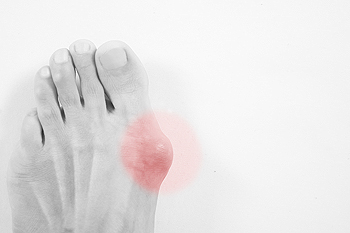
If you have a bony protrusion at the base of the big toe, you most likely have a bunion. It is considered to be a deformity of the joint in that area of the toe. The symptoms that many patients notice often include skin that is sensitive on top of the bunion, and changes to the shape of the foot. Additionally, pain, swelling, and callused skin can accompany this condition. Research has indicated bunions may be caused by genetic factors and wearing shoes that do not fit correctly can make bunions worse. Mild relief may be found if bunion pads or orthotics are worn. If this is ineffective, surgery may be necessary if permanent removal of the bunion is desired. If you have developed a bunion, it is advised to seek the counsel of a podiatrist who can guide you toward the treatment that is right for you.

If you are suffering from bunion pain, contact one of our podiatrists of Foot Health Center of Merrimack Valley. Our doctors can provide the care you need to keep you pain-free and on your feet.

What Is a Bunion?

Bunions are painful bony bumps that usually develop on the inside of the foot at the joint of the big toe. As the deformity increases over time, it may become painful to walk and wear shoes. Women are more likely to exacerbate existing bunions since they often wear tight, narrow shoes that shift their toes together. Bunion pain can be relieved by wearing wider shoes with enough room for the toes.

Causes

  • Genetics – some people inherit feet that are more prone to bunion development
  • Inflammatory Conditions - rheumatoid arthritis and polio may cause bunion development

Symptoms

  • Redness and inflammation
  • Pain and tenderness
  • Callus or corns on the bump
  • Restricted motion in the big toe

In order to diagnose your bunion, your podiatrist may ask about your medical history, symptoms, and general health. Your doctor might also order an x-ray to take a closer look at your feet. Nonsurgical treatment options include orthotics, padding, icing, changes in footwear, and medication. If nonsurgical treatments don’t alleviate your bunion pain, surgery may be necessary.

If you have any questions, please feel free to contact one of our offices located in North Andover, and Tewksbury, MA . We offer the newest diagnostic and treatment technologies for all your foot care needs.

Read more about Bunions

Soccer Players And Blisters

Many soccer players will develop blisters at some point while participating in their chosen sport.  They typically form on the bottom of the foot or on the back of the heel. This is a result of consistent friction that comes from shoes that do not fit correctly. They are often painful, and a player’s natural instinct to avoid discomfort causes the gait to change. This is likely to increase the risk of an ankle or knee injury, and overall playing performance may be impacted as a result of the pain that is caused by a blister. Research has shown the first sign of a blister is a “hot spot”, which is a tender and warm portion of the skin where the friction has occurred. Keeping the affected area covered and dry is important while taking part in soccer events. Additionally, it is helpful to wear athletic socks that are made of synthetic material. There are methods that can be implemented, which may help to prevent blisters from developing. These include measuring your foot, which determines the correct shoe size, and purchasing shoes at the end of the day when the feet are at their largest. If you have a blister and would like additional information about the treatment and prevention of this ailment, it is suggested that you consult with a podiatrist.

Blisters may appear as a single bubble or in a cluster. They can cause a lot of pain and may be filled with pus, blood, or watery serum. If your feet are hurting, contact one of our podiatrists of Foot Health Center of Merrimack Valley. Our doctors can provide the care you need to keep you pain-free and on your feet.

Foot Blisters

Foot blisters are often the result of friction. This happens due to the constant rubbing from shoes, which can lead to pain.

What Are Foot Blisters?

A foot blister is a small fluid-filled pocket that forms on the upper-most layer of the skin. Blisters are filled with clear fluid and can lead to blood drainage or pus if the area becomes infected.

Symptoms

(Blister symptoms may vary depending on what is causing them)

  • Bubble of skin filled with fluid
  • Redness
  • Moderate to severe pain
  • Itching

Prevention & Treatment

In order to prevent blisters, you should be sure to wear comfortable shoes with socks that cushion your feet and absorb sweat. Breaking a blister open may increase your chances of developing an infection. However, if your blister breaks, you should wash the area with soap and water immediately and then apply a bandage to the affected area. If your blisters cause severe pain it is important that you call your podiatrist right away.

If you have any questions, please feel free to contact one of our offices located in North Andover, and Tewksbury, MA . We offer the newest diagnostic and treatment technologies for all your foot care needs.

Read more about Blisters
scroll to top