
Plantar warts are small growths that develop on parts of the feet that bear weight. They're typically found on the bottom of the foot. Don't live with plantar warts, and call us today!
Plantar warts are small growths that develop on parts of the feet that bear weight. They're typically found on the bottom of the foot. Don't live with plantar warts, and call us today!
 An injury that majority of runners fear is known as a stress fracture. It is typically caused by frequent running or jogging without properly warming up and stretching the lower legs and feet. It often occurs when the intensity of the workout is increased too quickly. The symptoms that many patients experience include stiffness in the affected area and sore muscles. Additionally, swelling may be noticed on top of the foot, and this can be a result of a stress fracture. The pain may be severe, and it may cause the patient to walk with a different gait. If you are experiencing these types of symptoms, it is advised that you seek the counsel of a podiatrist who can properly diagnosis this condition and offer the best treatment plan for you.
Activities where too much pressure is put on the feet can cause stress fractures. To learn more, contact one of our podiatrists from Foot Health Center of Merrimack Valley. Our doctors can provide the care you need to keep your pain free and on your feet.
Dealing with Stress Fractures of the Foot and Ankle
Stress fractures occur in the foot and ankle when muscles in these areas weaken from too much or too little use. The feet and ankles then lose support when walking or running from the impact of the ground. Since there is no protection, the bones receive the full impact of each step. Stress on the feet can cause cracks to form in the bones, thus creating stress fractures.
What Are Stress Fractures?
Stress fractures occur frequently in individuals whose daily activities cause great impact on the feet and ankles. Stress factors are most common among:
Symptoms
Pain from the fractures occur in the area of the fractures and can be constant or intermittent. It will often cause sharp or dull pain with swelling and tenderness. Engaging in any kind of activity which involves high impact will aggravate pain.
If you have any questions please contact one of our offices located in North Andover, and Tewksbury, MA . We offer the newest diagnostic and treatment technologies for all your foot and ankle needs.
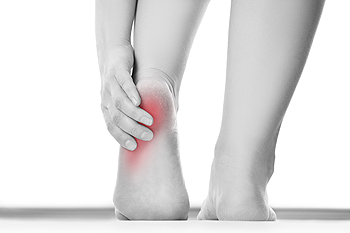 Research has indicated that there are several forms of heel pain. The most common type is referred to as plantar fasciitis, and this occurs as a result of an inflamed plantar fascia. This is the band of tissue that is located on the sole of the foot, connecting the heel to the toes. Heel bursitis is a condition where pain is felt in the middle of the heel, and can develop as a result of falling from an extended height. Young children who participate in sporting activities may develop Sever’s disease, and this may develop from an inflamed Achilles tendon. Many patients will experience heel pain at some point in their lives, and there are methods to managing the pain and discomfort. If you have any type of heel pain, it is advised to consult with a podiatrist who will perform a proper diagnosis, and begin the correct treatment.
Many people suffer from bouts of heel pain. For more information, contact one of our podiatrists of Foot Health Center of Merrimack Valley. Our doctors can provide the care you need to keep you pain-free and on your feet.
Causes of Heel Pain
Heel pain is often associated with plantar fasciitis. The plantar fascia is a band of tissues that extends along the bottom of the foot. A rip or tear in this ligament can cause inflammation of the tissue.
Achilles tendonitis is another cause of heel pain. Inflammation of the Achilles tendon will cause pain from fractures and muscle tearing. Lack of flexibility is also another symptom.
Heel spurs are another cause of pain. When the tissues of the plantar fascia undergo a great deal of stress, it can lead to ligament separation from the heel bone, causing heel spurs.
Why Might Heel Pain Occur?
Treatments
Heel pain should be treated as soon as possible for immediate results. Keeping your feet in a stress-free environment will help. If you suffer from Achilles tendonitis or plantar fasciitis, applying ice will reduce the swelling. Stretching before an exercise like running will help the muscles. Using all these tips will help make heel pain a condition of the past.
If you have any questions, please feel free to contact one of our offices located in North Andover, and Tewksbury, MA . We offer the newest diagnostic and treatment technologies for all your foot care needs.
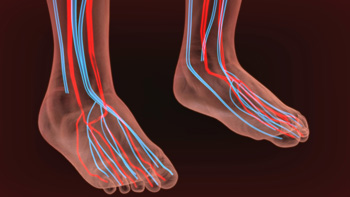
Inadequate blood flow in the body is referred to as poor circulation. The symptoms that are associated with this condition often include a tingling or numbing sensation in the feet and hands, the toenails may become brittle and dry, and wounds on the feet may heal slower than usual. If there are some existing medical conditions, it may increase the risk of developing poor circulation. These can include diabetes, elevated blood pressure, and high cholesterol. Research has indicated it may be beneficial to incorporate a gentle exercise program into your daily routine, as this can help to control specific medical conditions. If you are suffering from this ailment, it is suggested that you seek the counsel of a podiatrist who can help you with proper treatment options.
While poor circulation itself isn’t a condition; it is a symptom of another underlying health condition you may have. If you have any concerns with poor circulation in your feet contact one of our podiatrists of Foot Health Center of Merrimack Valley. Our doctors will treat your foot and ankle needs.
Poor Circulation in the Feet
Peripheral artery disease (PAD) can potentially lead to poor circulation in the lower extremities. PAD is a condition that causes the blood vessels and arteries to narrow. In a linked condition called atherosclerosis, the arteries stiffen up due to a buildup of plaque in the arteries and blood vessels. These two conditions can cause a decrease in the amount of blood that flows to your extremities, therefore resulting in pain.
Symptoms
Some of the most common symptoms of poor circulation are:
Treatment for poor circulation often depends on the underlying condition that causes it. Methods for treatment may include insulin for diabetes, special exercise programs, surgery for varicose veins, or compression socks for swollen legs.
As always, see a podiatrist as he or she will assist in finding a regimen that suits you. A podiatrist can also prescribe you any needed medication.
If you have any questions, please feel free to contact one of our offices located in North Andover, and Tewksbury, MA . We offer the newest diagnostic and treatment technologies for all your foot care needs.
Tarsal tunnel syndrome, also known as TTS, occu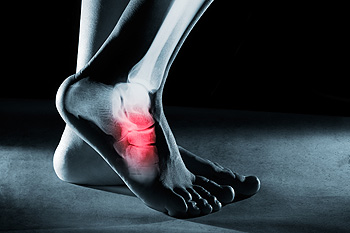 rs when the posterior tibial nerve becomes compressed and damaged, in turn causing inflammation. This is usually caused by continual overuse of the foot and ankle such as prolonged walking, running, standing, or exercising. If left untreated, TTS can cause permanent nerve damage. Some common treatments are wearing specialized shoes and inserts, over-the-counter pain and anti-inflammatory medications, physical therapy and rest. Strengthening exercises should be done to help prevent problems. These exercises include heel-toe raises, pencil toe lifts and balance exercises. If not treated right away, TTS can lead to the risk of developing other conditions such as flat feet, fallen arches, rheumatoid arthritis, varicose veins and the susceptibility to becoming overweight. If you notice any symptoms of TTS, it is important that you see a podiatrist right away.
Tarsal tunnel syndrome can be very uncomfortable to live with. If you are experiencing tarsal tunnel syndrome, contact one of our podiatrists of Foot Health Center of Merrimack Valley. Our doctors can provide the care you need to keep you pain-free and on your feet.
Tarsal Tunnel Syndrome
Tarsal tunnel syndrome, which can also be called tibial nerve dysfunction, is an uncommon condition of misfiring peripheral nerves in the foot. The tibial nerve is the peripheral nerve in the leg responsible for sensation and movement of the foot and calf muscles. In tarsal tunnel syndrome, the tibial nerve is damaged, causing problems with movement and feeling in the foot of the affected leg.
Common Cause of Tarsal Tunnel Syndrome
The Effects of Tarsal Tunnel Syndrome
A physical exam of the leg can help identify the presence of tarsal tunnel syndrome. Medical tests, such as a nerve biopsy, are also used to diagnose the condition. Patients may receive physical therapy and prescriptive medication. In extreme cases, some may require surgery.
If you have any questions please contact one of our offices located in North Andover, and Tewksbury, MA . We offer the newest diagnostic and treatment technologies for all your foot and ankle needs.

If you are suffering from tenderness, pain, or stiffness in the joints of your feet or ankles, call us to schedule an appointment.
 There are many people who spend the majority of their working day standing or walking. Research has indicated it is beneficial to wear shoes that fit properly, and this may help to prevent painful foot conditions from developing. It is helpful to make sure there is enough room for the toes to move freely in, and the feet will feel better when there is adequate cushioning and support. Resting the feet as frequently as possible may aid in reducing foot pain that comes from standing for extended periods of time. Additionally, it is important to choose shoes and socks that are made of breathable materials, as this can help to provide maximum comfort. Please consult with a podiatrist if you would like additional information about how to protect your feet while working.
While working on the feet, it is important to take the proper care of them. For more information about working on your feet, contact one of our podiatrists from Foot Health Center of Merrimack Valley. Our doctors will treat your foot and ankle needs.
Working on Your Feet
Standing on your feet for long periods of time can cause stress and pain in your feet. Your whole body may experience change in terms of posture, back pain, bunions, callouses and or plantar warts. There are ways to avoid these conditions with proper foot care, smart choices and correct posture.
Positive Changes
Negative heeled shoe – Choosing this shoe type places the heel slightly lower than the ball of the foot. These are great for overall foot health. Find shoes that fit you correctly.
Go barefoot – Our feet were not designed to be enclosed for all hours of the day. Try to periodically expose your feet to air.
Eliminate Pain
Foot Exercises – Performing simple exercises, incorporating yoga and doing stretches are beneficial. This will allow increased blood flow to the area and muscles of the foot.
Achilles tendon – Stretching the foot out flat on the floor will relax the calf muscles and tendon. These exercises can be performed almost anywhere. Make sure you add these exercises to your daily regimen.
With a little bit of this information and knowing more about foot health, you will notice changes. Foot stretches and proper footwear will help with pain and prevent further issues.
If you have any questions please contact one of our offices located in North Andover, and Tewksbury, MA . We offer the newest diagnostic and treatment technologies for all your foot and ankle needs.
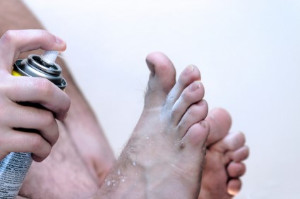 Athlete’s foot is a common fungal infection. A majority of athlete’s foot cases are caused by fungi that thrive in closed, warm, and moist environments. The fungi feed on Keratin, which is a protein found in the hair, nails, and skin. Athlete’s foot is mildly contagious and can spread through direct contact with the infection and by skin particles left on towels, shoes, or floors. Walking barefoot can increase the chances of contracting athlete’s foot. The risk can also go up depending on your susceptibility. People who have impaired immune systems or diabetes are at greater risk for infection if they have an open cut or sore on their foot. If you have developed athlete’s foot or feel that you may be at risk, it is advised that you consult with a podiatrist.
Athlete’s foot is an inconvenient condition that can be easily reduced with the proper treatment. If you have any concerns about your feet and ankles, contact one of our podiatrists from Foot Health Center of Merrimack Valley. Our doctors will treat your foot and ankle needs.
Athlete’s Foot: The Sole Story
Athlete's foot, also known as tinea pedis, can be an extremely contagious foot infection. It is commonly contracted in public changing areas and bathrooms, dormitory style living quarters, around locker rooms and public swimming pools, or anywhere your feet often come into contact with other people.
Solutions to Combat Athlete’s Foot
Athlete’s foot can cause many irritating symptoms such as dry and flaking skin, itching, and redness. Some more severe symptoms can include bleeding and cracked skin, intense itching and burning, and even pain when walking. In the worst cases, Athlete’s foot can cause blistering as well. Speak to your podiatrist for a better understanding of the different causes of Athlete’s foot, as well as help in determining which treatment options are best for you.
If you have any questions please feel free to contact one of our offices located in North Andover, and Tewksbury, MA . We offer the newest diagnostic and treatment technologies for all your foot and ankle needs.
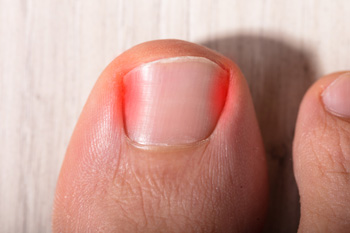 The medical name for an ingrown toenail is referred to as onychocryptosis. It is a painful condition of the big toe, and it occurs as the sides of the nail grow into the surrounding skin. The symptoms that are associated with this ailment often consist of severe pain and swelling, in addition to becoming red and inflamed. There are several reasons why ingrown toenails may develop. These can include wearing shoes that do not have adequate room for the toes to move freely in, trimming the toenails incorrectly, or if an injury has occurred to the nail. Treatment techniques may consist of splinting the nail, as this may help to protect the skin surrounding the affected nail. Additionally, if the ingrown toenail becomes infected, surgery may be an option to consider. If you have developed this condition, it is advised to seek the counsel of a podiatrist who can properly diagnosis and treat this ailment.
Ingrown toenails can become painful if they are not treated properly. For more information about ingrown toenails, contact one of our podiatrists of Foot Health Center of Merrimack Valley. Our doctors can provide the care you need to keep you pain-free and on your feet.
Ingrown Toenails
Ingrown toenails occur when a toenail grows sideways into the bed of the nail, causing pain, swelling, and possibly infection.
Causes
Prevention
Wearing proper fitting shoes and using proper cutting techniques will also help decrease your risk of developing ingrown toenails.
Treatment
Ingrown toenails are a very treatable foot condition. In minor cases, soaking the affected area in salt or antibacterial soaps will not only help with the ingrown nail itself, but also help prevent any infections from occurring. In more severe cases, surgery is an option. In either case, speaking to your podiatrist about this condition will help you get a better understanding of specific treatment options that are right for you.
If you have any questions, please feel free to contact one of our offices located in North Andover, and Tewksbury, MA . We offer the newest diagnostic and treatment technologies for all your foot care needs.
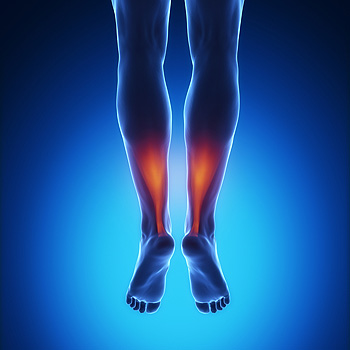 The Achilles tendon is located at the back of the calf, and its function is to connect the heel to the calf muscles. It is important for this tendon to remain strong, as it is necessary in performing running and jumping activities. Achilles tendonitis occurs if it becomes irritated, inflamed, or swollen. This can happen for a variety of reasons, including increasing the intensity of a new sport, wearing inappropriate shoes while exercising, or from having tight calf muscles. Some of the symptoms that are associated with this condition can include pain and discomfort near the heel, and some patients may have difficulty in flexing and pointing the injured foot. Effective treatment options can include resting the foot, performing exercises to strengthen the calf muscles, in addition to possibly wearing orthotics. If you feel you have injured your Achilles tendon, it is strongly advised to consult with a podiatrist who can guide you toward proper treatment options.
Achilles tendon injuries need immediate attention to avoid future complications. If you have any concerns, contact one of our podiatrists of Foot Health Center of Merrimack Valley. Our doctors can provide the care you need to keep you pain-free and on your feet.
What Is the Achilles Tendon?
The Achilles tendon is a tendon that connects the lower leg muscles and calf to the heel of the foot. It is the strongest tendon in the human body and is essential for making movement possible. Because this tendon is such an integral part of the body, any injuries to it can create immense difficulties and should immediately be presented to a doctor.
What Are the Symptoms of an Achilles Tendon Injury?
There are various types of injuries that can affect the Achilles tendon. The two most common injuries are Achilles tendinitis and ruptures of the tendon.
Achilles Tendinitis Symptoms
Rupture Symptoms
Treatment and Prevention
Achilles tendon injuries are diagnosed by a thorough physical evaluation, which can include an MRI. Treatment involves rest, physical therapy, and in some cases, surgery. However, various preventative measures can be taken to avoid these injuries, such as:
If you have any questions please feel free to contact one of our offices located in North Andover, and Tewksbury, MA . We offer the newest diagnostic tools and technology to treat your foot and ankle needs.
